Address
304 North Cardinal St.
Dorchester Center, MA 02124
Work Hours
Monday to Friday: 7AM - 7PM
Weekend: 10AM - 5PM
Address
304 North Cardinal St.
Dorchester Center, MA 02124
Work Hours
Monday to Friday: 7AM - 7PM
Weekend: 10AM - 5PM


 ByPulivk
Polyvinyl chloride (PVC) film has become one of the most versatile materials used across industries worldwide. From interior decoration to industrial packaging, PVC film offers a unique combination of durability, flexibility, and cost-effectiveness. In Vietnamese markets, this material is widely known as màng film pvc, and its demand continues to grow rapidly across Southeast Asia due to its adaptability in both residential and commercial applications.
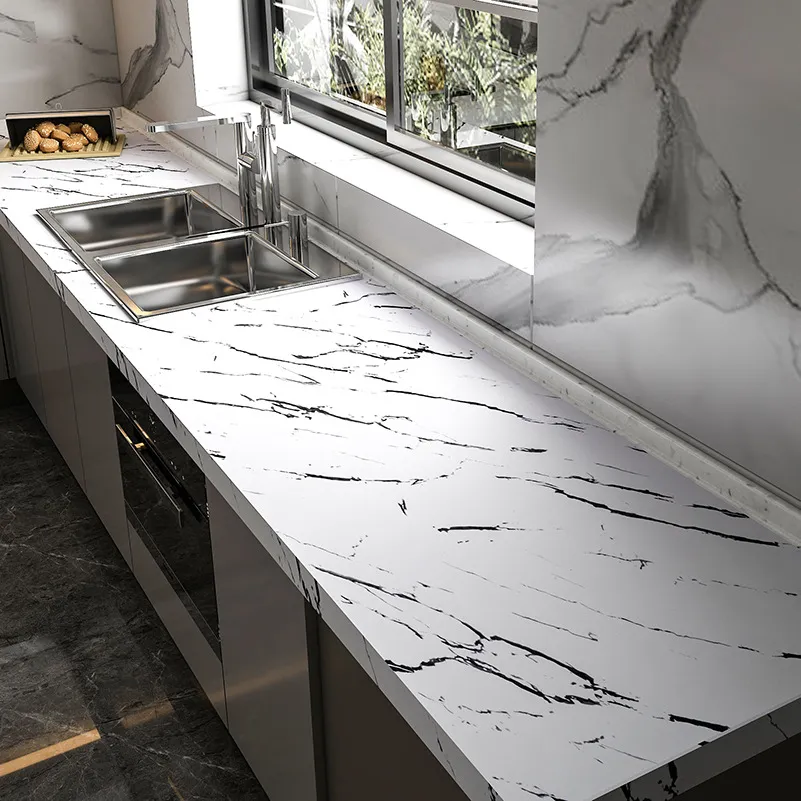
PVC film is a thermoplastic polymer sheet produced through calendering or extrusion processes. Its molecular structure gives it excellent mechanical properties, chemical resistance, and surface finish versatility. Unlike traditional materials such as wood veneer or paint, PVC film can replicate countless textures and patterns while maintaining consistent quality across large production runs. The material is lightweight yet tough, making it ideal for applications where both aesthetics and performance matter.
According to PVC Life Cycle Assessment data, modern PVC production has made significant strides in environmental performance, with improved recycling rates and reduced energy consumption during manufacturing.
The versatility of PVC film makes it suitable for an extensive range of applications. Each industry leverages specific properties of the material to achieve optimal results.
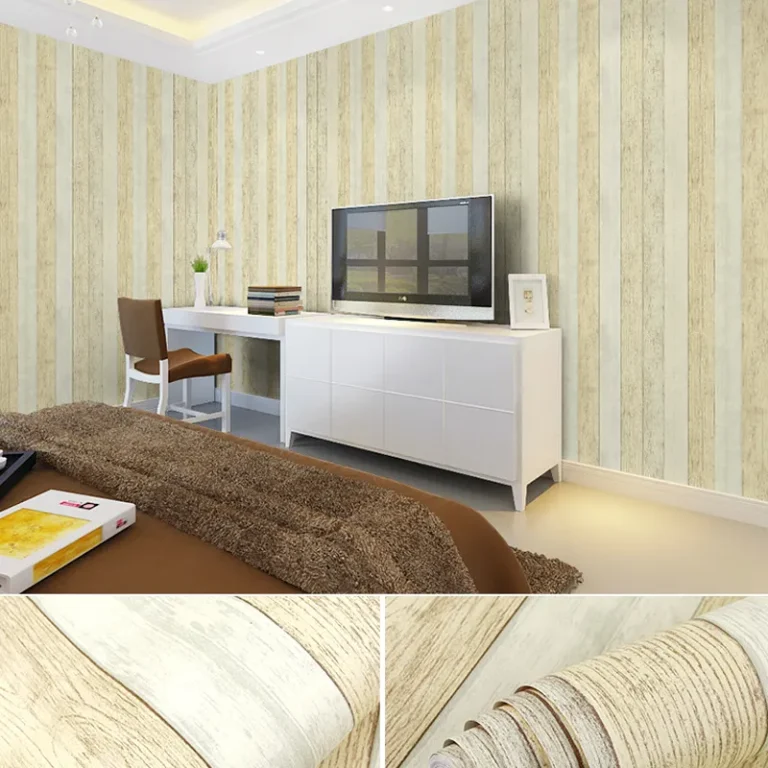
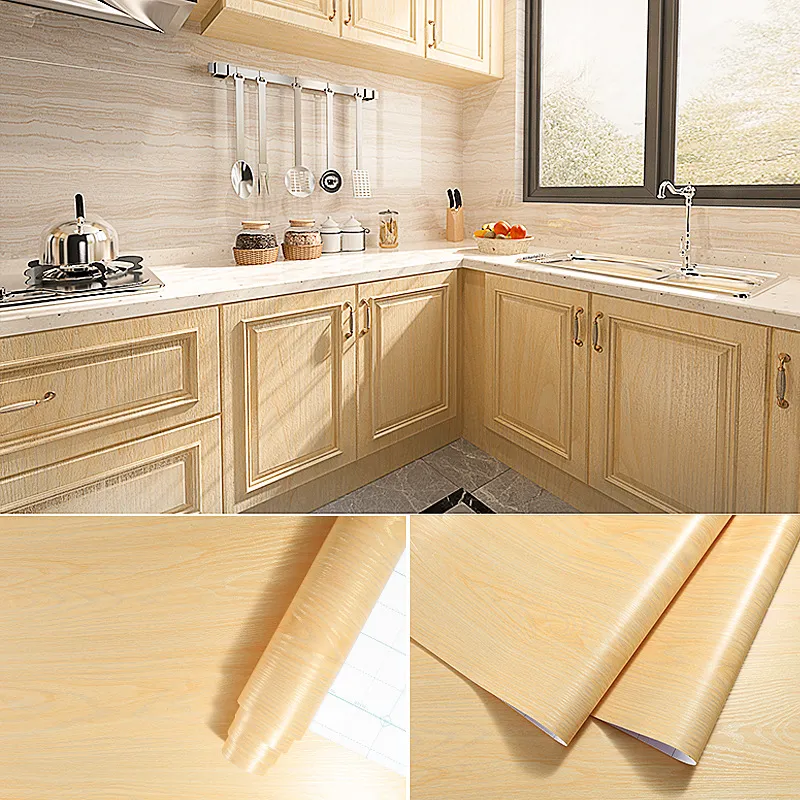
One of the largest markets for PVC film is furniture manufacturing. Wood grain film has revolutionized the industry by providing realistic wood textures at a fraction of the cost of solid timber. Cabinet doors, wardrobes, tabletops, and shelving units all benefit from PVC lamination that resists scratches, moisture, and daily wear. The ability to match colors precisely means designers have unlimited creative freedom without compromising on durability.
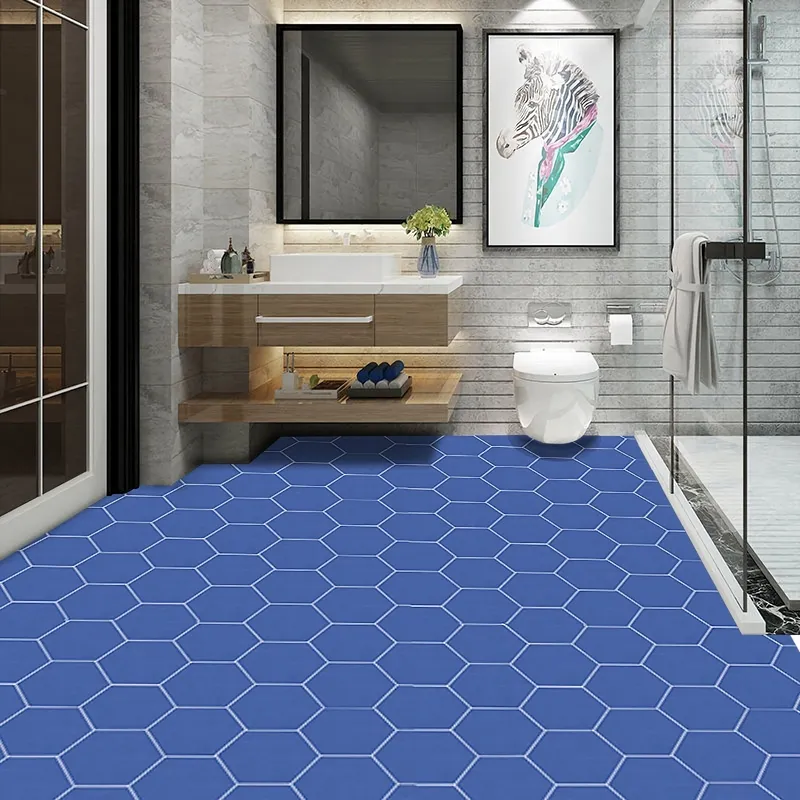
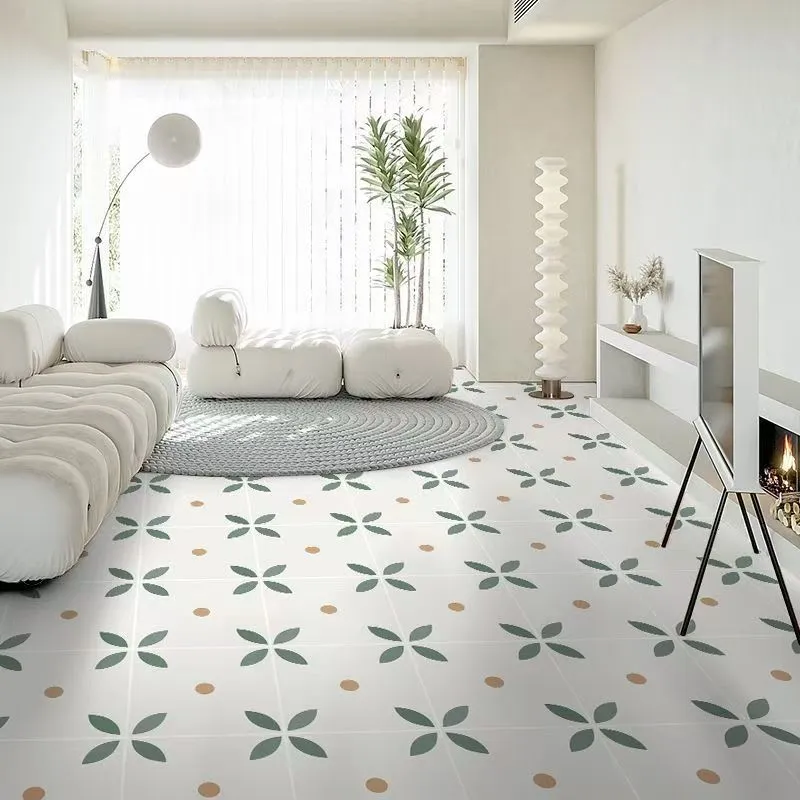
Modern vinyl flooring relies heavily on high-performance floor film technology. These films provide the decorative layer that mimics wood, stone, or ceramic tiles while offering water resistance and easy maintenance. In regions with high humidity, such as Vietnam and other Southeast Asian countries, PVC-based flooring has become the preferred choice for both residential and commercial spaces. The material does not warp or swell when exposed to moisture, unlike traditional hardwood or laminate flooring.
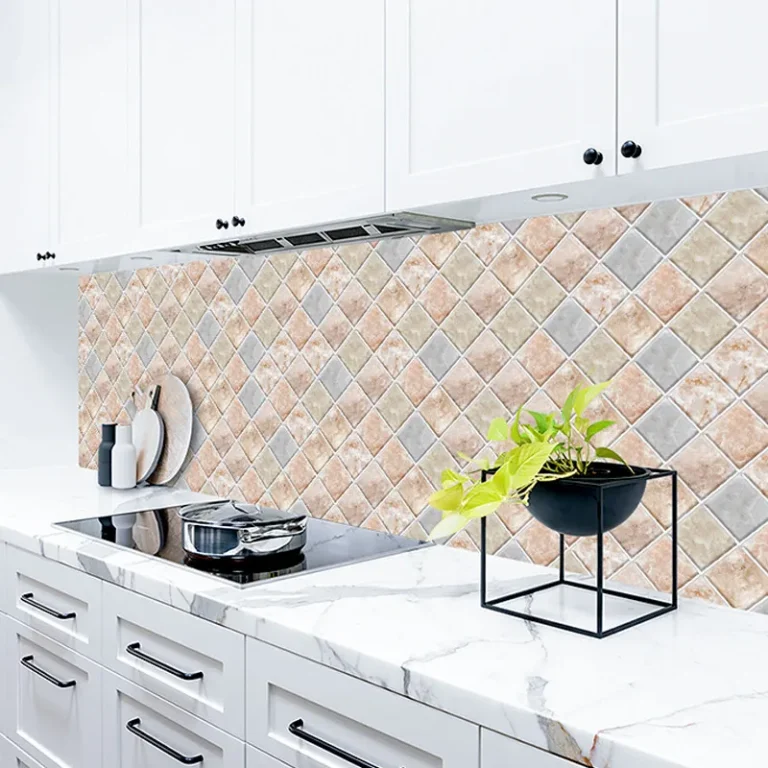
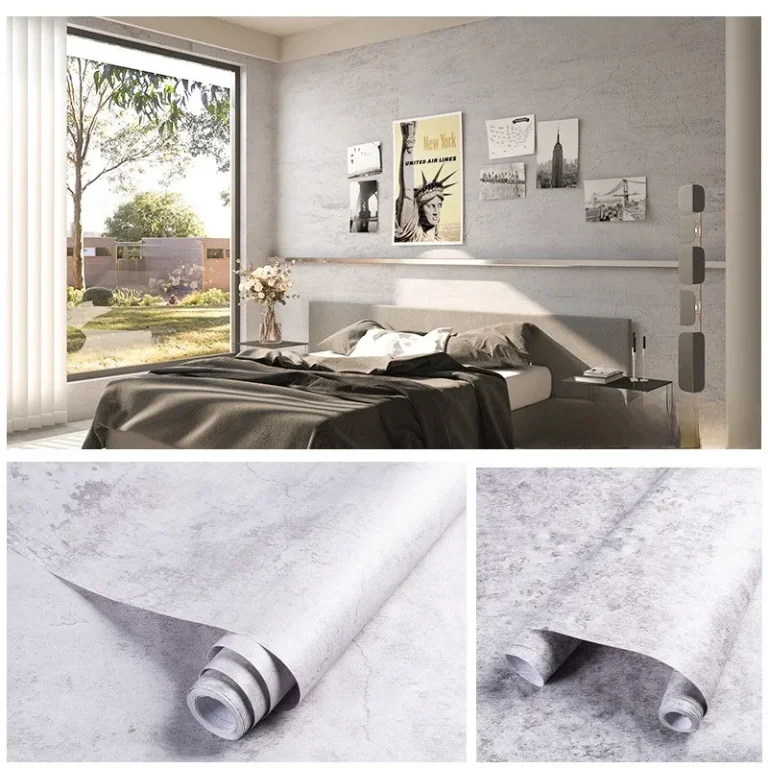
PVC wall films and wallpapers offer an affordable way to transform interior spaces. Available in solid colors, patterns, and textured finishes, these films can hide wall imperfections while providing a wipeable, long-lasting surface. Hotels, restaurants, and residential projects increasingly specify PVC wall coverings for their balance of aesthetics and practicality.
Understanding why industries continue to adopt PVC film helps in making informed procurement decisions. The benefits extend beyond simple cost savings.
PVC film resists abrasion, impact, and chemical exposure far better than many alternative materials. Surfaces protected with quality PVC film maintain their appearance for years, even in high-traffic environments. This longevity translates directly into reduced maintenance costs and fewer replacements over the building’s lifecycle.
From realistic marble patterns to metallic finishes and 3D textures, PVC film can be manufactured to replicate almost any visual effect. Digital printing technology allows for custom designs, brand-specific colors, and unique patterns that set products apart in competitive markets. This level of customization was previously impossible with traditional materials at comparable price points.
Unlike organic materials that absorb water, PVC film creates an impermeable barrier. This property makes it indispensable for kitchen cabinets, bathroom vanities, and flooring in wet areas. The film prevents water penetration that would otherwise cause swelling, mold growth, and structural degradation of the substrate.
Compared to natural wood, stone, or metal surfacing, PVC film offers dramatic cost reductions. The material itself is economical, and application processes such as vacuum lamination are efficient and scalable. Manufacturers can achieve premium looks at mass-market prices, expanding their addressable markets significantly.
Surfaces finished with PVC film require minimal upkeep. A simple wipe with a damp cloth and mild detergent restores the original appearance. There is no need for periodic sanding, re-oiling, or refinishing that natural materials demand over time.
Not all PVC films are created equal. Selecting the right type depends on understanding the various categories available in the market today.
| Film Type | Key Characteristics | Common Applications |
|---|---|---|
| Wood Grain Film | Realistic wood textures, multiple species patterns, warm aesthetics | Furniture, doors, cabinetry, wall panels |
| Marble & Stone Film | Natural stone appearance, cool tones, luxurious finish | Countertops, wall cladding, flooring, columns |
| Solid Color Film | Uniform color, matte or glossy options, clean modern look | Appliance panels, kitchen doors, modern furniture |
| 3D Embossed Film | Deep textures, tactile surfaces, dimensional effects | Accent walls, decorative panels, luxury packaging |
| Transparent Calendered Film | High clarity, flexible, printable surface | Packaging, protective overlays, labeling, lamination |
| Anti-Static Film | Static dissipation, dust repellent, safe for electronics | Cleanrooms, electronics manufacturing, medical devices |
| Soft Touch Film | Velvety surface feel, fingerprint resistant, premium tactile experience | High-end furniture, consumer electronics, automotive interiors |
| Self-Adhesive Film | Peel-and-stick application, no additional adhesive needed | DIY renovations, temporary decor, retail displays |
Making the correct selection requires evaluating several critical factors. A systematic approach ensures the chosen film performs as expected throughout its service life.
Consider where and how the film will be used. Indoor furniture applications may prioritize aesthetics and scratch resistance. Outdoor or high-moisture environments demand films with UV stabilizers and enhanced water resistance. For areas with heavy foot traffic, such as commercial flooring, impact resistance and wear layer thickness become primary considerations.
The tactile quality of PVC film significantly influences the perceived value of the finished product. Matte finishes convey understated elegance, while high-gloss surfaces create a modern, polished appearance. Embossed textures add depth and realism to wood and stone patterns. Testing samples under actual lighting conditions helps avoid disappointing results after installation.
Always request detailed technical data sheets from suppliers. Key parameters to check include film thickness (typically ranging from 0.03 mm to 0.50 mm), width availability, tensile strength, and elongation properties. Standards such as ASTM PVC Film Standard provide reliable benchmarks for material quality and consistency. Films that meet internationally recognized standards generally deliver more predictable performance.
Different films are optimized for different lamination techniques. Vacuum membrane presses, flatbed laminators, and profile wrapping machines each have specific requirements for film flexibility, heat tolerance, and adhesive compatibility. Confirming that the selected film works with existing production equipment prevents costly process adjustments.
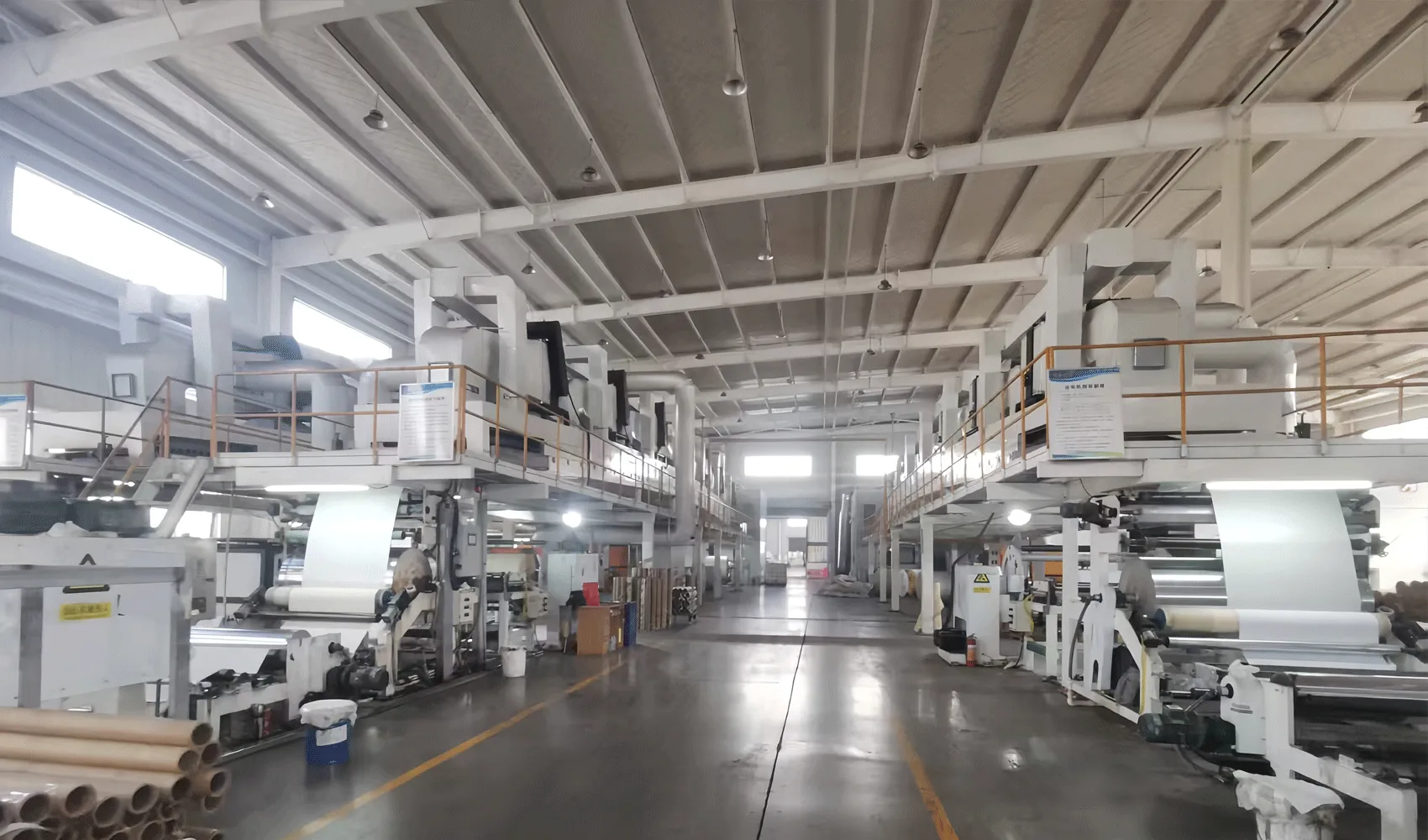
A reliable supply chain is essential for consistent product quality. Look for manufacturers with in-house calendering, printing, and slitting capabilities. This vertical integration typically results in better quality control, faster lead times, and more competitive pricing. Henan Pulivk New Materials Co., Ltd. exemplifies this integrated approach with comprehensive production lines that handle everything from raw material processing to finished packaging, ensuring stable quality at every stage.
Reputable PVC film manufacturers adhere to established testing protocols that validate material performance. Understanding these standards helps buyers make objective comparisons between suppliers.
For flooring applications specifically, standards such as ISO 10581 define the requirements for homogeneous PVC floor coverings, ensuring products meet minimum performance thresholds for wear resistance, indentation recovery, and color fastness. Buyers should always confirm that products carry relevant certifications for their intended market.
Modern PVC film production increasingly emphasizes environmental responsibility. Lead-free and phthalate-free formulations are now standard offerings from quality-conscious manufacturers. The industry has also made significant progress in recycling technologies, with post-industrial and post-consumer PVC waste being reprocessed into new films. This circular approach reduces raw material consumption and minimizes environmental impact. When evaluating suppliers, consider their commitment to sustainable practices and whether they offer eco-friendly product lines that align with green building standards and consumer preferences.
Whether you are sourcing màng film pvc for furniture production, interior renovation, or industrial applications, taking the time to understand material properties, application requirements, and supplier capabilities leads to better outcomes. The right PVC film enhances product value, reduces long-term costs, and satisfies end-user expectations for quality and durability.