Address
304 North Cardinal St.
Dorchester Center, MA 02124
Work Hours
Monday to Friday: 7AM - 7PM
Weekend: 10AM - 5PM
Address
304 North Cardinal St.
Dorchester Center, MA 02124
Work Hours
Monday to Friday: 7AM - 7PM
Weekend: 10AM - 5PM


 ByPulivk
Custom colored PVC film is a versatile, cost-effective material increasingly used across the United States for protection, decoration, and branding. Whether you’re a contractor in Texas, a retail store owner in California, or a packaging manager in New York, understanding the uses and benefits of colored PVC film helps you choose the right product for your project.
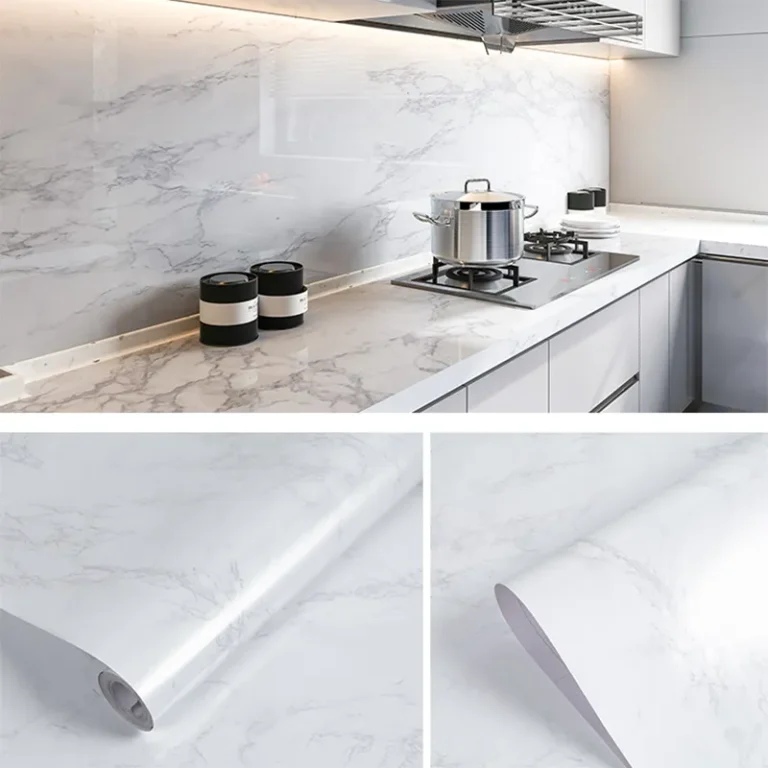
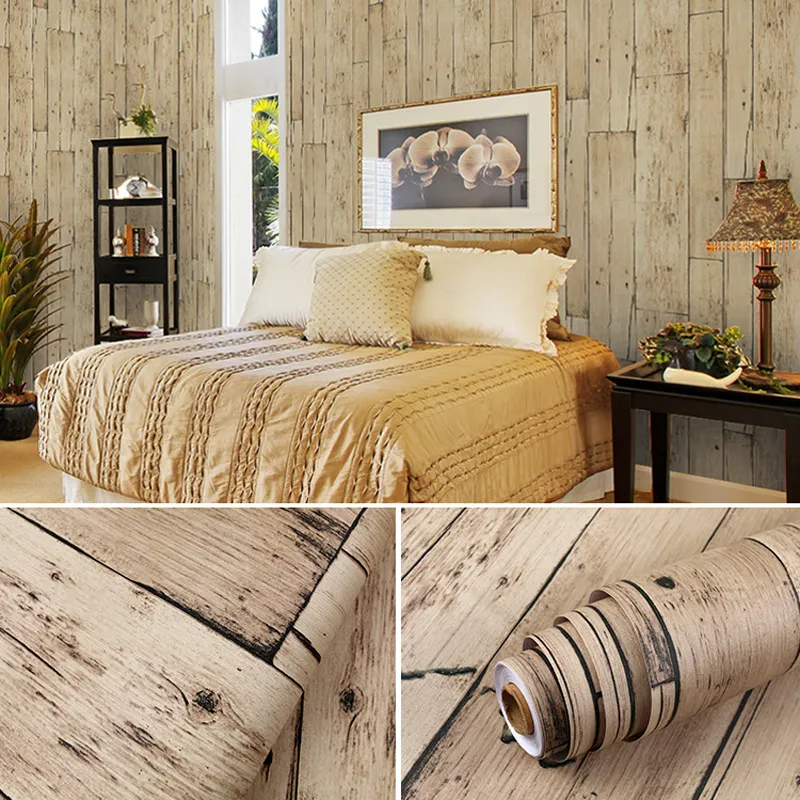
Custom colored PVC film is a calendered or cast polymer sheet produced in a range of pigments, finishes, and thicknesses. It can be supplied in solid colors, metallic shades, marble effects, wood-grain, or translucent finishes. The film is often printed, laminated, or split-packaged to meet varied end‑use requirements across industries.
In the US market, demand centers on both functional and aesthetic uses:
Choosing colored PVC film delivers multiple advantages for US buyers:
US buyers should consider finish and performance attributes when specifying film:
Follow these steps to ensure you select a film that fits performance, compliance, and budget needs.
Is the film for temporary protection during construction, long-term decorative surfacing, or printed packaging? Protection films prioritize peelability and adhesive strength; decorative films prioritize color consistency and finish.
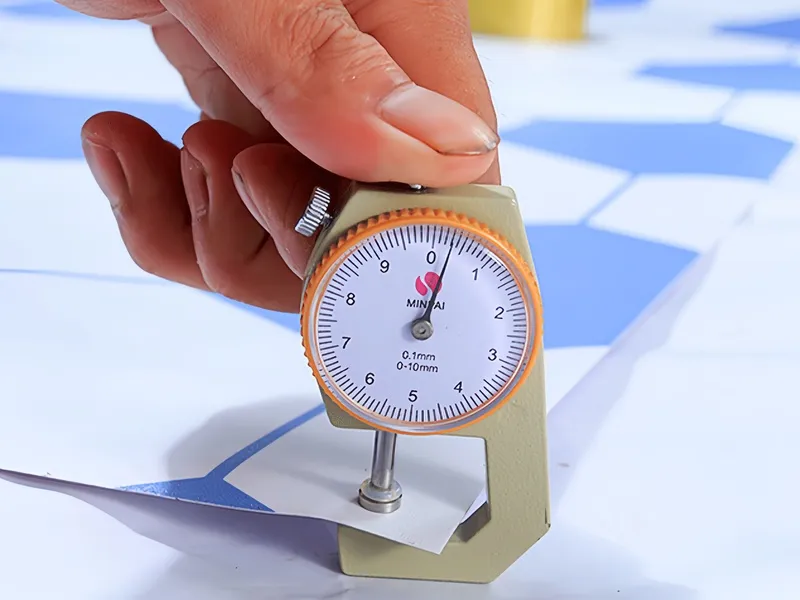
Important specs include thickness, tensile strength, elongation, adhesive strength (if self-adhesive), and UV stability. For regulated markets (healthcare or food), request compliance certificates.
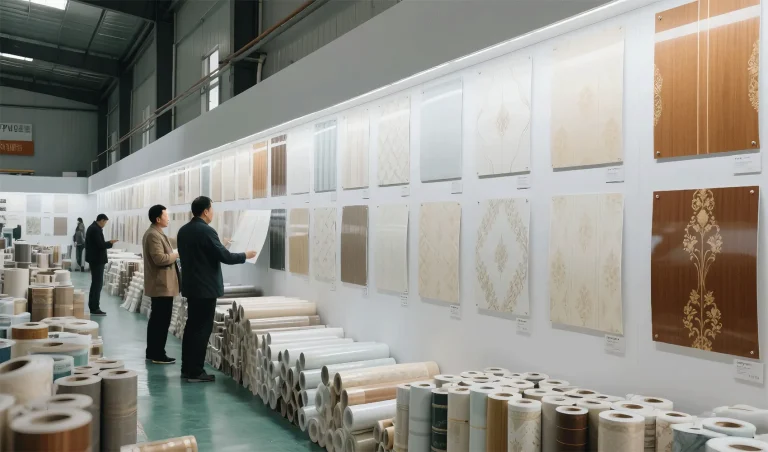
Request physical samples and printed proofs before committing to a full run—this ensures color accuracy for retail brands and interior designers.
Choose split-packaging options if you need smaller fixed-length rolls for distribution across multiple stores or job sites. Confirm palletization and labeling for smooth receiving.
| Property | Typical Range / Options |
|---|---|
| Thickness | 40–200 microns |
| Width | Customized up to full roll widths |
| Finish | Glossy, matte, embossed, wood, marble |
| Full-color digital or flexographic printing | |
| MOQ | Varies by color and print; inquire for split-packaging options |
Ask suppliers about PVC formulations, recycling options, and any applicable US compliance standards. Certain industries may require additives with regulatory documentation.
When contacting a supplier, prepare the following: desired color (Pantone or sample), target roll dimensions, required finish, print artwork (if any), expected volume and delivery timeline. This speeds quoting and sample production.
Pulivk offers full in-house production — calendering, printing, and split-packaging — enabling tight quality control, flexible OEM customization, and stable lead times for global buyers.
Request samples, confirm color and finish under your actual site lighting, and choose split-packaging if you need multiple small rolls. For branded retail or high‑traffic installations, prioritize anti‑scratch and UV-stable options to keep surfaces looking fresh for longer.