Address
304 North Cardinal St.
Dorchester Center, MA 02124
Work Hours
Monday to Friday: 7AM - 7PM
Weekend: 10AM - 5PM
Address
304 North Cardinal St.
Dorchester Center, MA 02124
Work Hours
Monday to Friday: 7AM - 7PM
Weekend: 10AM - 5PM


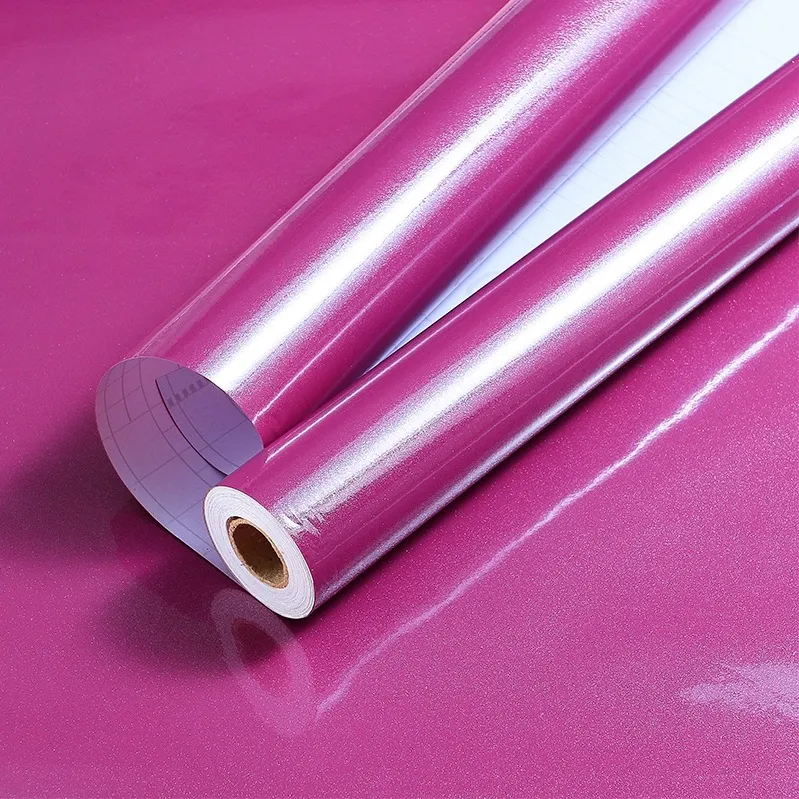
Choosing the best PVC transparent film company in Thailand means balancing material performance, local market needs, reliable logistics, and cost. Whether you’re sourcing protective overlays for electronics, clear packaging for food products, or decorative transparent films for furniture and interiors in Bangkok or Chiang Mai, this guide helps procurement managers, interior designers, and brand owners make confident decisions.
Thai buyers often look for films that combine clarity with durability. Key industries include food packaging (HORECA), furniture refacing, automotive protective films, and construction surface protection. Local climate—high humidity and strong UV—means UV resistance and anti-fog properties are common priorities for products used outdoors or in kitchens.
Before talking to suppliers, clarify your technical requirements. Below are the most important attributes to define:
Look for suppliers that control the full production chain to ensure consistency. Key signs of strong quality control include on-site calendering lines, printing lines, split-packaging, and multiple QC checkpoints from raw material to final packing. Ask for sample reports and batch traceability.
Thailand’s import process favors suppliers familiar with SEA logistics. Check: transit time from port of origin, incoterms, minimum order quantities, and whether the manufacturer offers split-packaging and palletized shipments to reduce local handling costs. Reliable lead times are crucial during peak seasons (e.g., pre-holiday retail demand).
Thai retailers and FMCG brands increasingly expect compliance: material safety, food-contact certifications (if applicable), and recyclability statements. Vendors who can provide certificates and environmental data sheets help speed approvals.
Instead of only chasing the lowest price, evaluate: consistency of material thickness, defect rates, packaging losses, and service levels. Negotiate trial runs, sample packs, and flexible OEM labeling to reduce initial risk.
| Factor | Why it matters | What to ask |
|---|---|---|
| Material consistency | Reduces waste and rejects in production | Request batch samples and QC data |
| Customization & printing | Supports branding and local market needs | Confirm print methods and minimum print runs |
| Lead times & logistics | Critical for seasonal retail and projects | Ask about FOB/CIF options and transit times to Thai ports |
| Certifications | Needed for food/contact and regulated markets | Request MSDS, food-grade statements, and test reports |
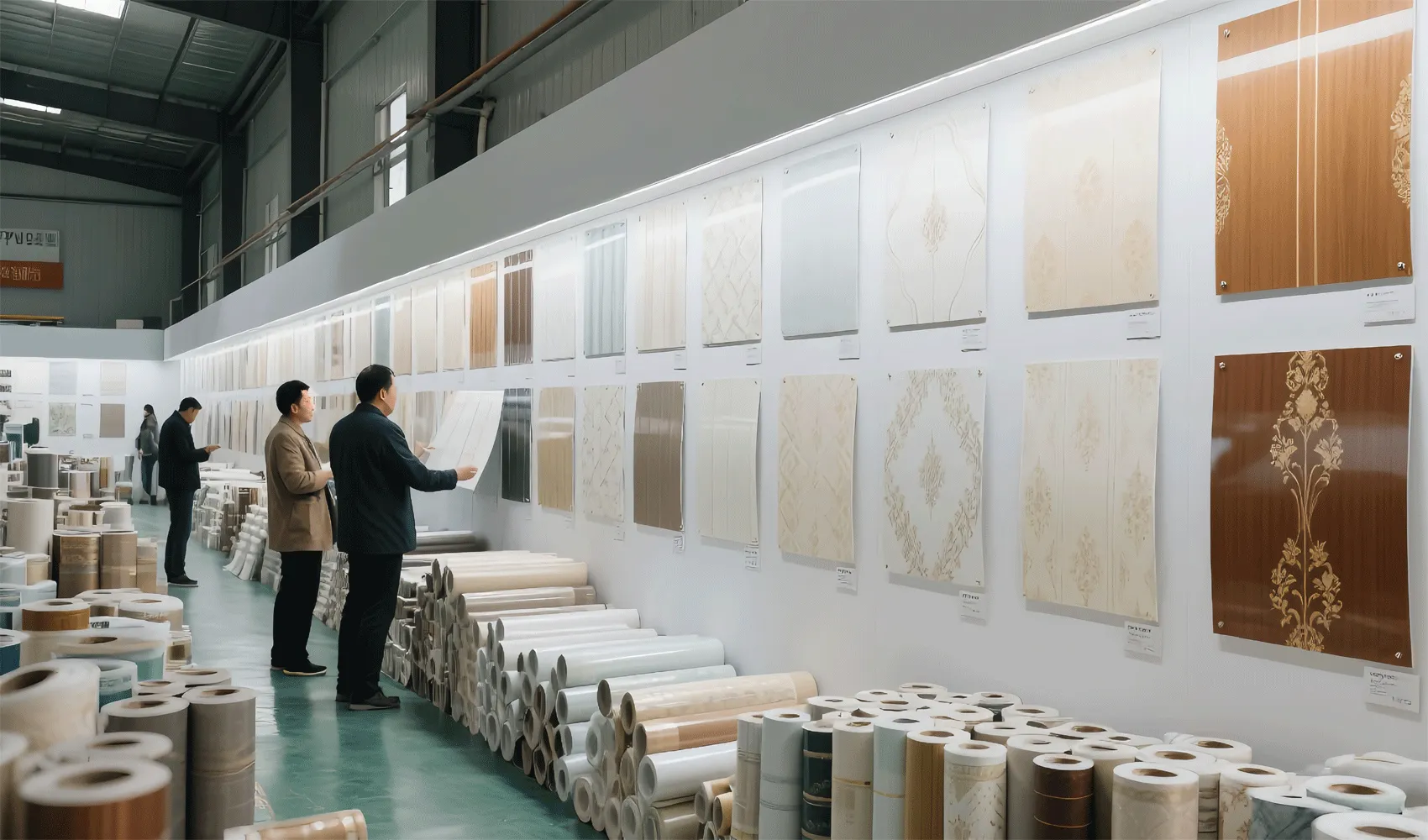
Before signing an agreement, ensure you have: samples approved under real-use conditions, a clear MOQ and pricing schedule, written quality acceptance criteria, and an agreed timeline for first shipments. For partners that manage full in-house production—calendering, printing, and split-packaging—you gain better control over quality and timing.
Henan Pulivk New Materials Co., Ltd. offers full in-house production from calendering and printing to split-packaging, supports OEM/customization, and has export experience to Southeast Asia—features that suit Thai buyers seeking reliable supply and tailored film solutions.
Define your technical brief, request samples, and compare two or three suppliers by the checklist above. Test materials under Thailand’s climate conditions and choose the partner that demonstrates consistent QC, transparent pricing, and reliable logistics.