Address
304 North Cardinal St.
Dorchester Center, MA 02124
Work Hours
Monday to Friday: 7AM - 7PM
Weekend: 10AM - 5PM
Address
304 North Cardinal St.
Dorchester Center, MA 02124
Work Hours
Monday to Friday: 7AM - 7PM
Weekend: 10AM - 5PM


 ByPulivk
Calendered PVC film is a versatile, cost-effective material widely used for decorative surfaces, protective overlays, and industrial wraps. In Namibia — where coastal humidity, strong sun, and dusty inland conditions combine — choosing the right PVC calendered film can improve durability, aesthetics, and maintenance for construction, furniture, signage, and agricultural applications.
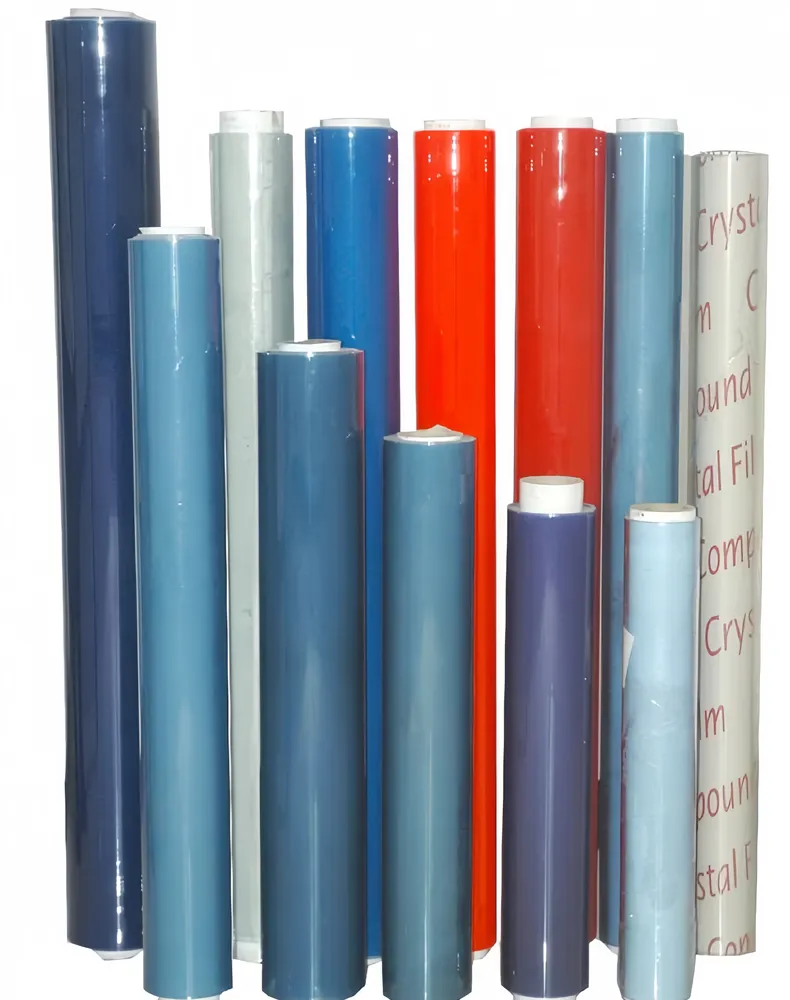
Calendered PVC film is produced by passing PVC compound through a series of heated rollers to form thin, consistent sheets. The process yields films in a wide range of finishes: glossy, matte, wood-grain, marble, metallic, and textured 3D effects. These films can be single-layer or multi-layer, printed or unprinted, and tailored for self-adhesive or overlay uses.
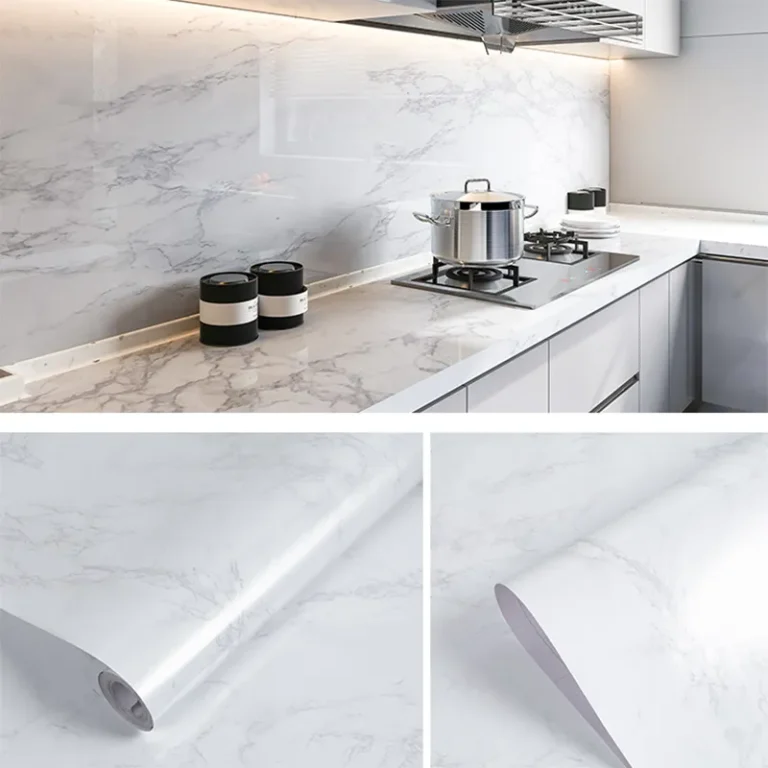
Residential & Commercial Interiors: Kitchen cabinets, wardrobes, wall panels, and skirting membranes benefit from waterproof and easy-clean film finishes that resist UV fading in coastal towns like Swakopmund and Walvis Bay.
Outdoor Signage & Advertising: Calendered advertising films and printed banners are economical for short- to medium-term campaigns across Windhoek and regional towns where high-visibility, weather-resistant prints are needed.
Industrial & Protective Applications: Protective floor film, temporary surface protection during construction, and dust-resistant coverings for mining equipment in Namibia’s mining regions.
When sourcing calendered PVC film for Namibia, check these parameters to ensure product fit and longevity:
| Type | Common Use | Recommended Thickness |
|---|---|---|
| Glossy PVC | Cabinet doors, wardrobes | 120–200 μm |
| Matte/Textured | Anti-glare walls, surfaces | 100–250 μm |
| Self-Adhesive | Signage, decorative wraps | 80–200 μm |
| Protective/Anti-Scratch | Floor protection, shipping protection | 150–300 μm |
Follow this practical checklist tailored for Namibian importers, installers, and project managers:
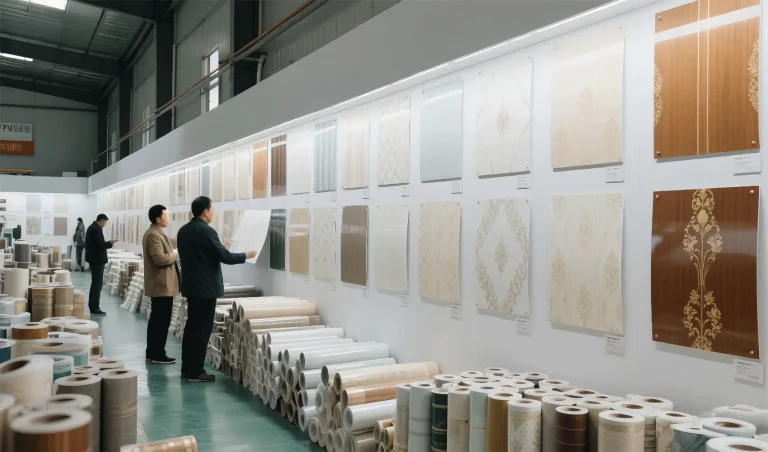
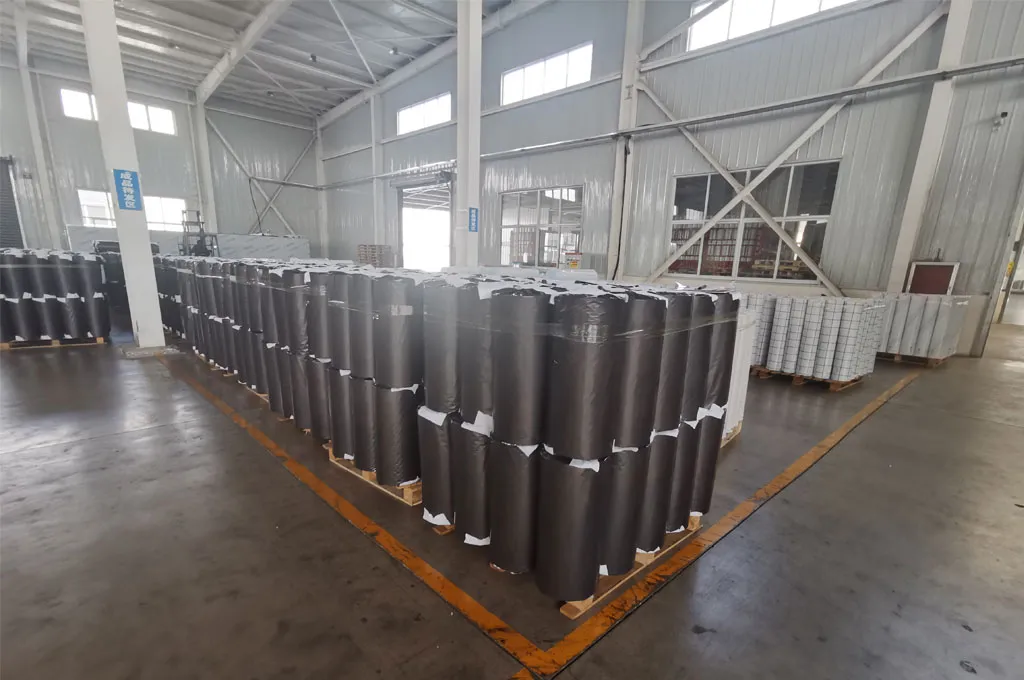
Look for partners who control raw materials and production to get stable pricing and consistent quality. A supplier with full in-house calendering, printing, and split-packaging capability reduces delays and offers flexible OEM options—especially valuable for private label projects and repeat orders to Namibia.
For reliable manufacturing and export capabilities, consider global factories that offer full in-house production and flexible OEM support. Pulivk offers comprehensive calendered film lines with options for custom sizes, prints, and split-packaging—helpful for Namibian businesses seeking consistent supply and stable lead times.
Match film type to application and environment. Prioritize UV-stabilized, salt-resistant formulations for coastal projects and tougher, thicker films for industrial uses. Request samples and confirm split-packaging or shorter roll lengths for local resellers and installers. With the right material choices, calendered PVC film delivers strong aesthetic impact, long-term protection, and attractive ROI for projects across Namibia.