Address
304 North Cardinal St.
Dorchester Center, MA 02124
Work Hours
Monday to Friday: 7AM - 7PM
Weekend: 10AM - 5PM
Address
304 North Cardinal St.
Dorchester Center, MA 02124
Work Hours
Monday to Friday: 7AM - 7PM
Weekend: 10AM - 5PM


 ByPulivk
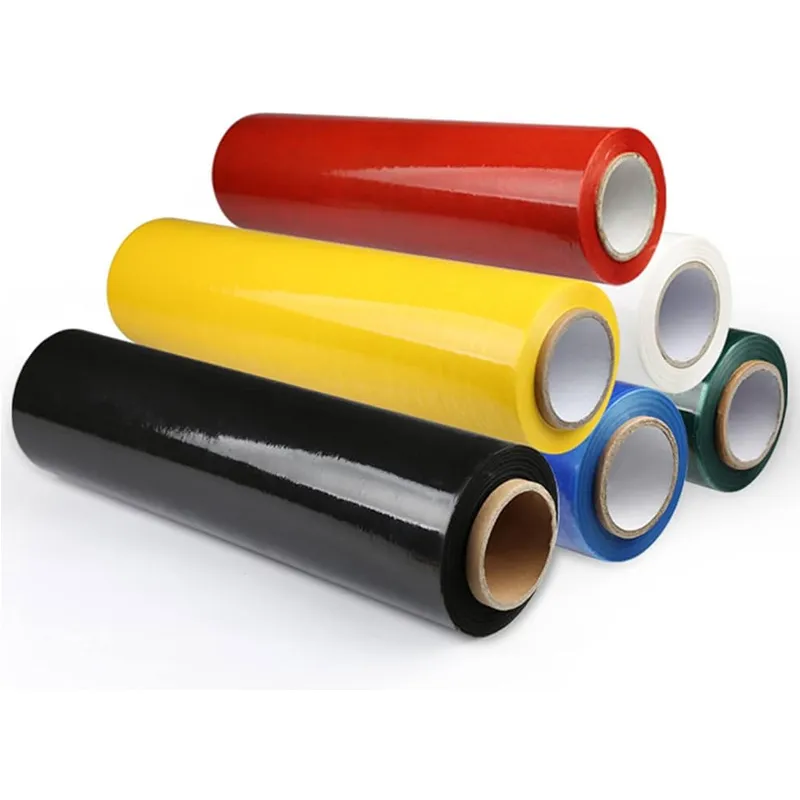
PVC transparent film is a versatile, cost-effective material widely used across Thailand—from Bangkok’s high-rise construction projects to Chiang Mai’s furniture workshops and coastal packaging operations. Its clarity, protective properties and adaptability make it ideal for protective coverings, decorative overlays, packaging windows and automotive protection in hot, humid climates where UV stability and moisture resistance are essential.
High clarity and aesthetic value: Transparent PVC films deliver excellent light transmission and a clean finish ideal for display windows, packaging and decorative surfaces.
Durable protection: Guards surfaces against scratches, dust, and moisture during transport and installation—especially important for Thailand’s humid, coastal regions.
Cost-effective and customizable: Available in multiple thicknesses, widths and finishes; easily printed or laminated for private label and OEM projects.
Thermal and chemical resistance: Suitable for many indoor and short-term outdoor uses when formulated with UV stabilizers and anti-fog additives.
Construction & Interior Protection: Temporary floor and surface protection during renovation of condos and malls in Thai cities.
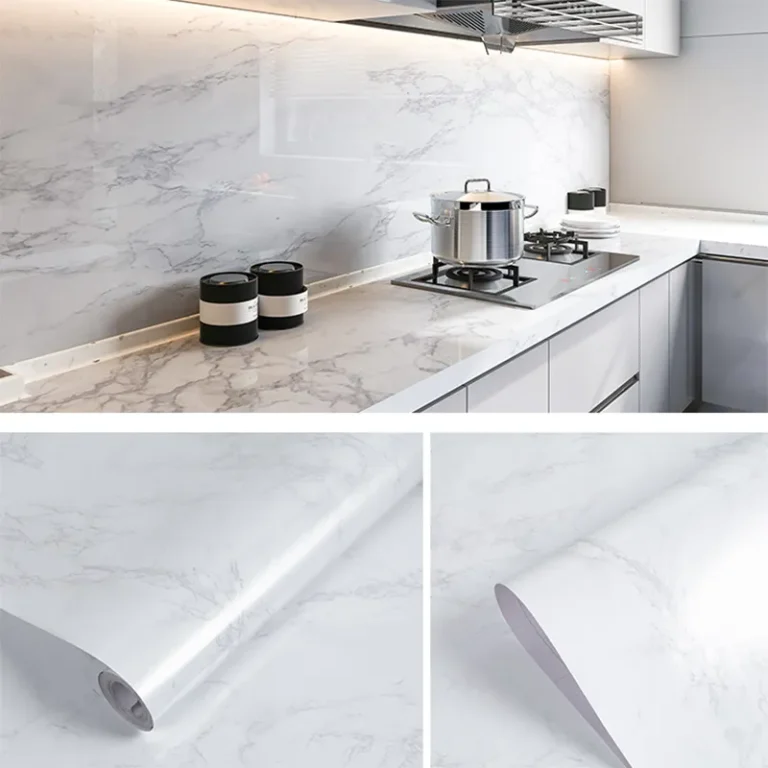
Furniture & Cabinet Wraps: Decorative transparent overlays and protective films for wardrobes, kitchen cabinets and laminated panels used by local carpenters and manufacturers.
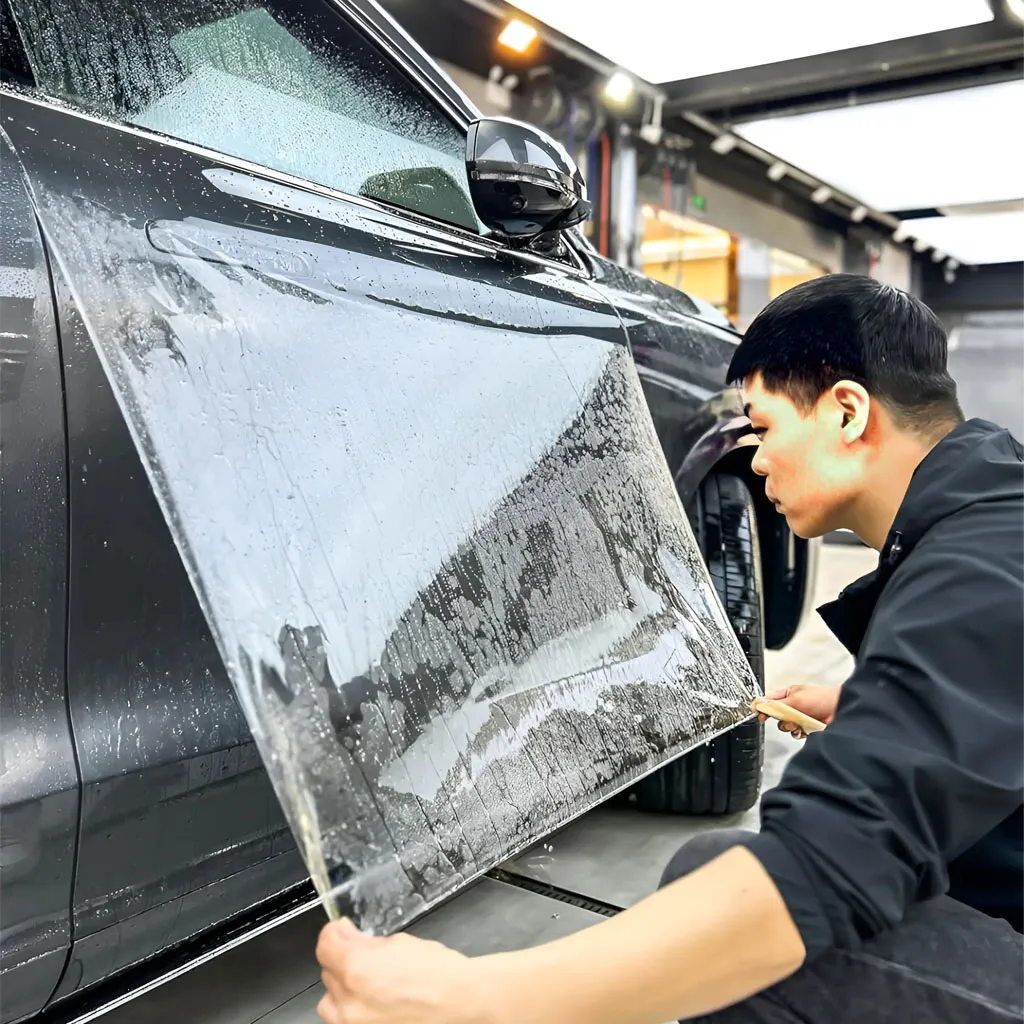
Automotive & Marine Protection: Clear protective films for car covers, parts and marine equipment to reduce salt and UV damage in coastal provinces.
Packaging & Display: Windowed packaging for food, cosmetics and electronics sold in markets and modern retail chains across Thailand.
Signage & Graphics: Protective overlaminates for printed graphics in high-traffic tourist areas and outdoor displays when UV-stable grades are used.
| Specification | Typical Range / Note |
|---|---|
| Thickness | 0.03 mm – 0.30 mm (choices for light to heavy protection) |
| Width | Up to 1370 mm (custom widths available) |
| Transparency | >85% for high-clarity grades |
| UV / Weather Resistance | Add UV stabilizers for outdoor or coastal use |
| Adhesive / Peel | Available in self-adhesive and non-adhesive types; low-residue options for finished surfaces |
| Surface Finish | Glossy, matte, embossed or frosted |
| Certifications | ISO 9001, RoHS, REACH (request documents) |
1. Specify the use case: Tell suppliers whether the film is for short-term protection, long-term decorative use, or packaging so the right additives (UV, anti-fog, anti-scratch) are selected.
2. Request samples: Test adhesion, clarity and ease of removal on the exact substrates used in Thailand (PVC laminate, painted surfaces, glass, metal).
3. Verify certifications & MSDS: Ensure compliance with export/import rules and industry standards—important for retailers and OEM contracts in Thailand.
4. Custom printing & OEM: If you need private label rolls or branded packaging windows, ask about minimums, print proofs and color matching.
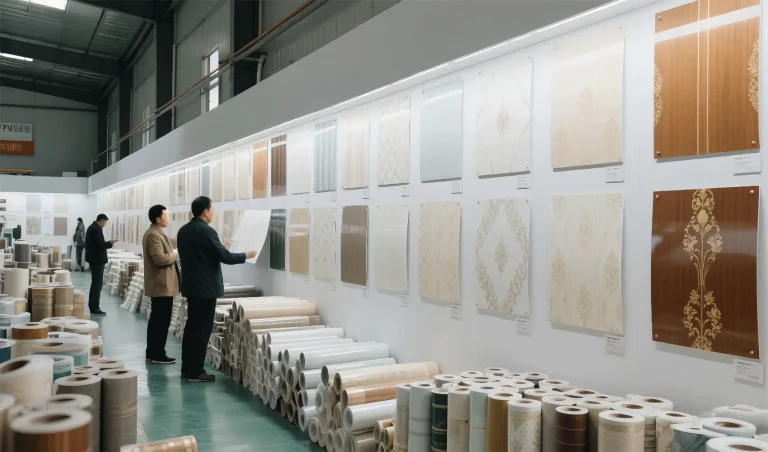
Henan Pulivk New Materials Co., Ltd. — Full in-house production with calendering, printing and split-packaging lines ensures consistent quality control, flexible OEM services and reliable export experience to Southeast Asia and beyond.
Typical lead times vary by order size and customization: standard stock rolls can ship within 7–14 days, custom printed or special additive grades may need 14–30 days. Ask suppliers for FOB/CIF quotes and palletized split-pack options suited for Thai port handling.
Price is affected by resin quality, additive packages (UV/anti-fog), printing complexity and order volume. For cost savings, consider consolidated shipments, standard widths and basic finishes. Many manufacturers offer reduced MOQ and split-packaging for distributors and installers operating in smaller Thai cities.
• Sample approval: Confirm on-site testing for adhesion, clarity and scratch resistance.
• Tolerance & labeling: Thickness tolerance, roll length and clear labels help avoid installation issues.
• Pre-shipment inspection: Arrange QC checks for color, printing alignment and packaging integrity—especially for export consignments.
• After-sales support: Clarify replacement policies for defective batches and available technical guidance for installers in Thailand.
Identify the primary application (packaging, protection, decorative), request a material data sheet and sample, and compare quotes including shipping to Thai ports. For OEM and custom orders, ensure print proofs and lead-time commitments are documented.