Address
304 North Cardinal St.
Dorchester Center, MA 02124
Work Hours
Monday to Friday: 7AM - 7PM
Weekend: 10AM - 5PM
Address
304 North Cardinal St.
Dorchester Center, MA 02124
Work Hours
Monday to Friday: 7AM - 7PM
Weekend: 10AM - 5PM


 ByPulivk
Choosing the right air duct film manufacturing factory in Panama requires more than price comparison — you need a partner that understands local climate challenges, import logistics, and regulatory requirements while delivering consistent quality and reliable lead times. This guide breaks down practical steps and technical checkpoints to help architects, contractors, HVAC wholesalers, and facility managers in Panama make informed sourcing decisions.
Panama’s tropical climate means high humidity, salt-laden air in coastal areas, and frequent temperature swings inside commercial buildings. When evaluating air duct film suppliers, prioritize materials and adhesives that resist moisture, mold, and corrosion. Local installers also favor films that are easy to handle and quick to apply onsite to reduce labor time in humid conditions.
Material grade and composition: Confirm the factory uses quality PVC formulations or PE blends suited for HVAC environments. Ask for material safety data sheets (MSDS) and technical datasheets showing temperature tolerance and moisture resistance.
Adhesive performance: Adhesive tack and aging tests are critical. Request peel-strength data and real-world aging test reports — especially under humidity and salt-spray conditions relevant to Panama.
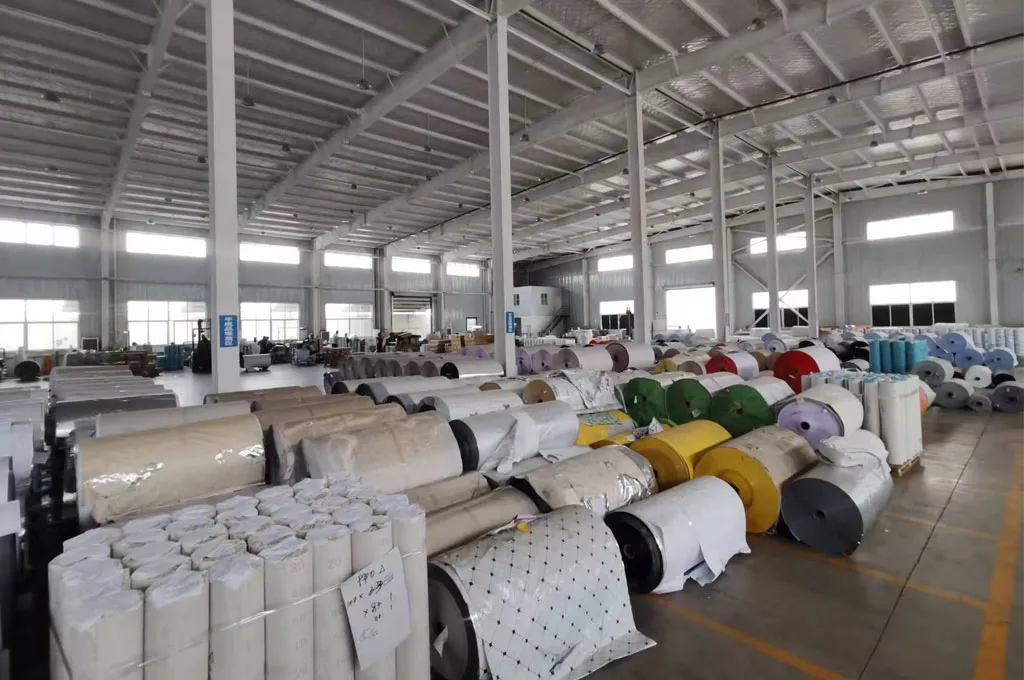
Production equipment & process control: Factories with in-house calendering, printing, and split-packaging lines provide better consistency. In-house production reduces variables and speeds up changes for custom orders.
Look for suppliers that maintain clear QC checkpoints: raw material inspection, inline process checks, and final packing inspection. Certifications such as ISO 9001 and product-specific test reports (e.g., flame retardancy, anti-fungal tests) are valuable proof of consistency. Ask for sample certificates tied to your batch.
Reliable lead times are essential—especially when importing to Panama’s ports. Confirm average production schedules, buffer stocks, and shipping partners. Negotiate MOQs and split-packaging options so your warehouse can handle smaller, sellable units instead of full factory rolls.
If you need branded packaging, custom widths, or specific printed patterns for duct IDs, confirm the factory supports OEM runs and small-run customization. Ask about digital printing capabilities, color matching processes, and pre-production samples for approval.
Increasingly, Panama-based commercial projects look for lower-VOC materials and environmentally responsible sourcing. Check whether the factory has waste management practices, recyclable packaging, or low-emission product lines to meet local green building preferences.
| Factor | Why it Matters | What to Expect |
|---|---|---|
| Material datasheets | Shows performance vs. humidity & heat | MSDS + technical sheet for each product |
| QC process | Ensures consistent batches | Inline checks + final inspection reports |
| Production capacity | Impacts lead time and scalability | Daily/weekly output and backup planning |
| Customization | Meets local code and branding needs | Sample approval process + color match |
| Shipping & certifications | Smooth import and compliance | Export docs, packing list, incoterms |
Before committing to a bulk order, request small samples and conduct onsite adhesion and aging trials under Panama-like conditions (high humidity, coastal salt exposure if relevant). Installers should validate ease of handling, cutting, and bonding to common duct substrates.
Lowest price often hides higher lifecycle costs. Factor in warranty, replacement rates, labor time for installation, and transport. A slightly higher unit cost can be justified by longer service life and reduced maintenance in Panama’s climate.
Choose a factory that provides clear technical support, replacement policies, and timely communication. In Panama, timely responses during hot/humid seasons or project peaks can make or break installation schedules.
Pulivk offers full in-house production with calendering, printing, and split-packaging lines, strict QC checkpoints, flexible OEM services, and stable lead times—capabilities that help reduce costs at the source and simplify imports to Panama.
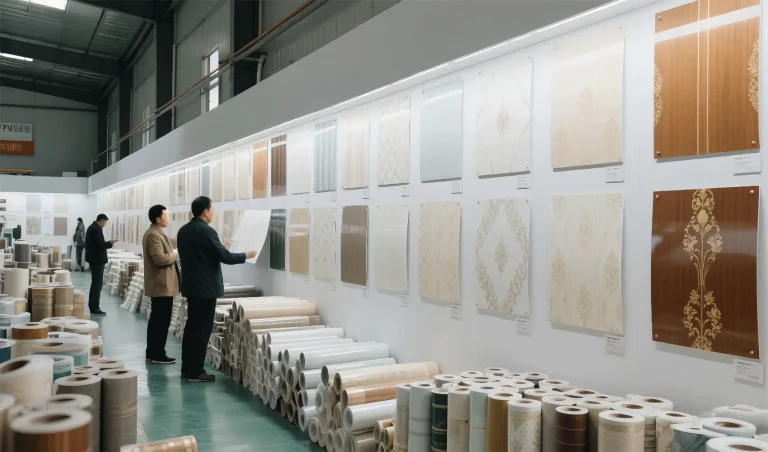
1) Request live factory photos or a virtual tour. 2) Ask for references from other Latin American or Caribbean clients. 3) Approve pre-production samples with your installation team. 4) Clarify shipping terms and expected arrival at Panamanian ports.
Local conditions matter: specify humidity, coastal exposure, and expected service life to the supplier so they can recommend the right film formulation and adhesive system for Panama projects.