Address
304 North Cardinal St.
Dorchester Center, MA 02124
Work Hours
Monday to Friday: 7AM - 7PM
Weekend: 10AM - 5PM
Address
304 North Cardinal St.
Dorchester Center, MA 02124
Work Hours
Monday to Friday: 7AM - 7PM
Weekend: 10AM - 5PM


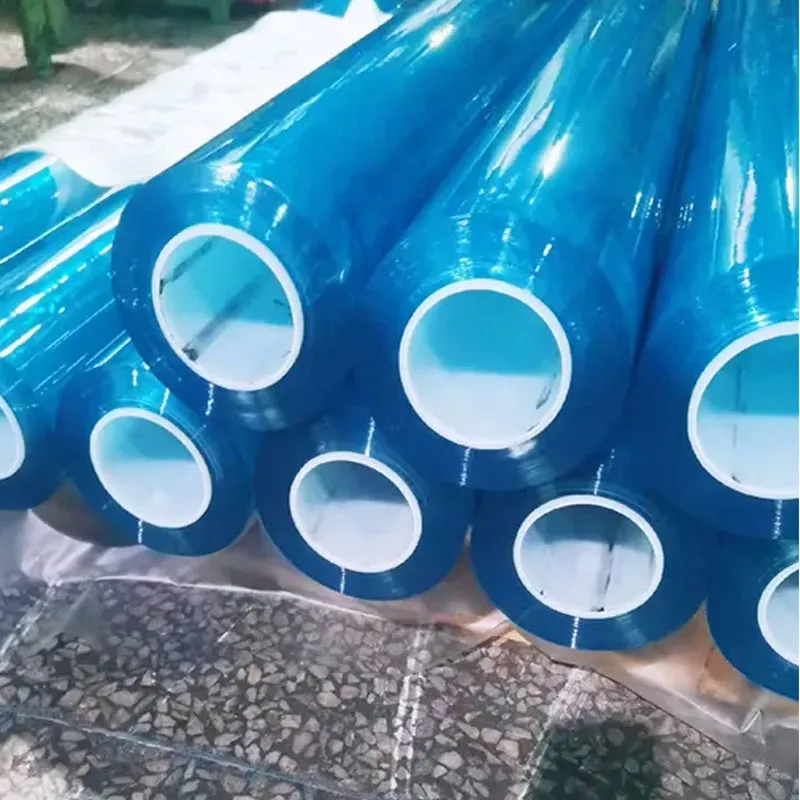
Custom heat insulation PVC film is engineered to deliver reliable thermal protection across a wide range of industrial and commercial applications. Built for durability, dimensional stability, and long-term performance, these films reduce heat transfer, protect assets, and cut operational costs when applied as thermal liners, reflective overlays, or protective covers.
Thermal efficiency: Insulating layers and reflective additives lower surface temperatures and reduce heating/cooling loads. Mechanical durability: High tensile strength and abrasion resistance extend service life in heavy-use settings. Cost-effectiveness: Custom formulation and in-house production lower unit cost for large projects.
Manufacturers can tailor PVC film to match specific thermal and mechanical requirements. Typical customization options include thickness, surface finish (matte, glossy, textured), laminate layers, and printed branding or masking patterns for commercial visibility.
| Property | Typical Value | Benefit |
|---|---|---|
| Thickness | 50µm – 500µm | Adaptable to lightweight covers or heavy-duty insulation |
| Thermal Conductivity | 0.15 – 0.35 W/m·K | Reduces heat flow and improves energy efficiency |
| Operating Temperature | -20°C to 80°C (custom higher-temp formulations available) | Suitable for most commercial HVAC and industrial environments |
| Surface Options | Reflective, matte, textured, printed | Reflectivity and appearance tailored to application |
Heat insulation PVC film is widely used in warehouse roofing liners, duct and pipe insulation wraps, equipment and machinery covers, refrigerated transport liners, and building retrofit overlays. In commercial settings such as shopping centers and office buildings, films function as discreet thermal barriers behind claddings and decorative panels.
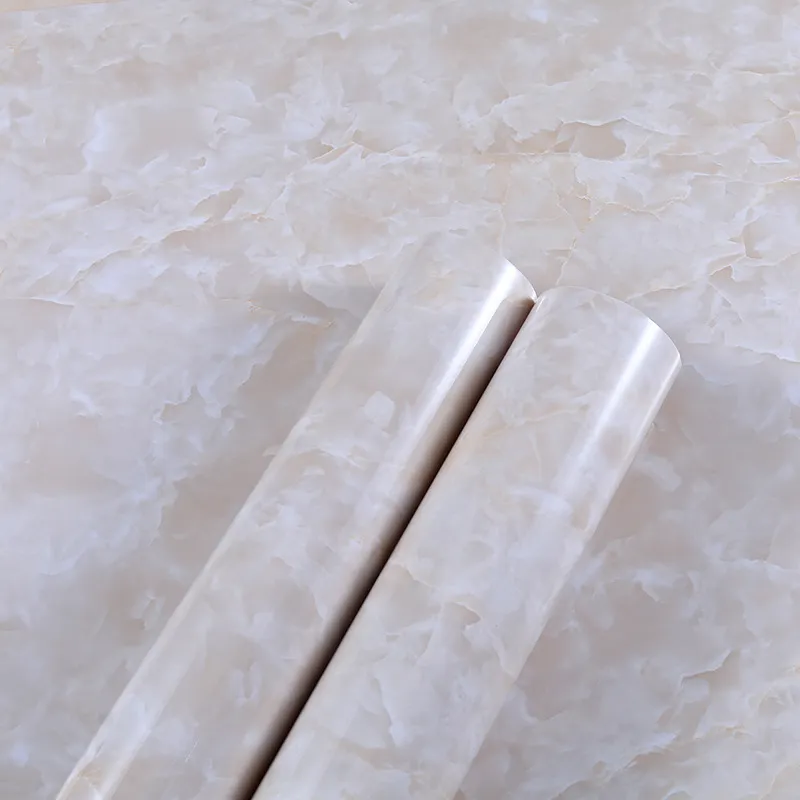
Durability depends on formulation and production quality. Look for films with UV stabilizers, anti-scratch surfaces, and multi-layer constructions to ensure longevity under sunlight, mechanical wear, and chemical exposure. Barrier laminates and specialized coatings can further improve moisture resistance and thermal retention.
Proper surface preparation and installation methods maximize thermal benefit and life expectancy. Clean, dry surfaces and compatible adhesives help maintain adhesion. For retrofit projects, choose films with appropriate thickness and consider protective top layers in high-traffic zones. Regular inspections and cleaning preserve reflectivity and thermal performance.
Select a supplier that offers in-house production control and flexible OEM support, enabling consistent quality, tailored prints, and reliable lead times. For private-label projects and large runs, custom cutting, split-packaging, and labeling help streamline installation and logistics.
When specifying film, include: target R-value or thermal conductivity, expected environmental exposure (UV, chemicals, humidity), mechanical stresses (abrasion, puncture), desired surface finish, and any printing or branding needs. Communicate roll width, core size, and packaging preferences to match installation workflows.
For custom projects and volume manufacturing, contact Pulivk to discuss tailored formulations, sample runs, and delivery schedules. Deliverables typically include technical datasheets, sample swatches, and MOQ guidance to accelerate specification and approval cycles.