Address
304 North Cardinal St.
Dorchester Center, MA 02124
Work Hours
Monday to Friday: 7AM - 7PM
Weekend: 10AM - 5PM
Address
304 North Cardinal St.
Dorchester Center, MA 02124
Work Hours
Monday to Friday: 7AM - 7PM
Weekend: 10AM - 5PM


 ByPulivk
Choosing the right vinyl window film manufacturing factory when sourcing for projects in Niger requires practical thinking about climate, logistics, and local buyer needs. Niger is landlocked with a hot, dusty climate and growing urban construction in cities like Niamey and Zinder — so your ideal supplier must deliver heat-resistant, UV-stable, and cost-effective products with reliable inland shipping and customs experience.
Start by specifying the exact vinyl window film types you need: solar control (UV/heat rejection), frosted/privacy films, decorative prints, or anti-glare films. Consider thickness, adhesive type (permanent/removable), visible light transmission (VLT%), and fire-retardant ratings. In Niger’s intense sunlight, UV protection and thermal performance are often top priorities.
Because many installations are on metal or aluminum frames and exposed to dust, choose films with anti-static surfaces and strong adhesive that withstands temperature variation. For commercial buildings, privacy and solar control films can reduce cooling loads — a significant cost factor in hot Sahelian climates.
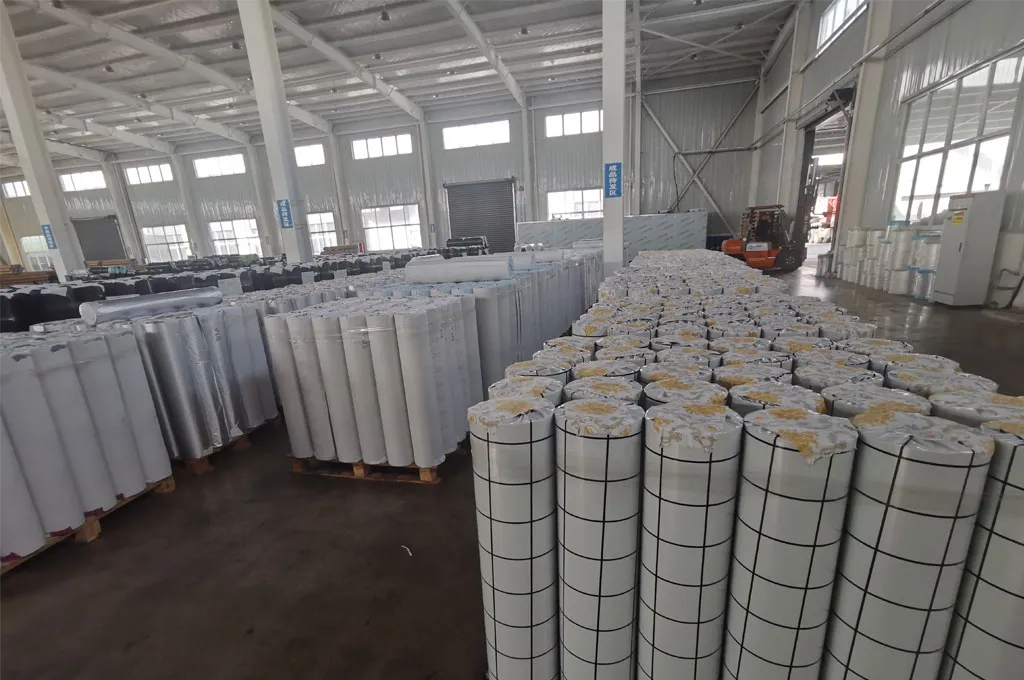
Look for factories with full in-house production: calendering lines, printing lines, and split-packaging—this reduces quality variability and lead times. Ask about:
Production photos, a description of the production flow, and a one-page process map. Factories that control raw materials can often offer better pricing and consistency.
Ask for QC procedures at each production stage: raw materials inspection, in-process checks, and final packing review. Relevant test reports include UV aging, adhesion, peel strength, and VLT measurements. Reliable suppliers will provide sample test data and batch traceability.
While local Niger regulations vary, international standards (ISO, ASTM test reports) and product test certificates are strong indicators of reliable quality for export markets.
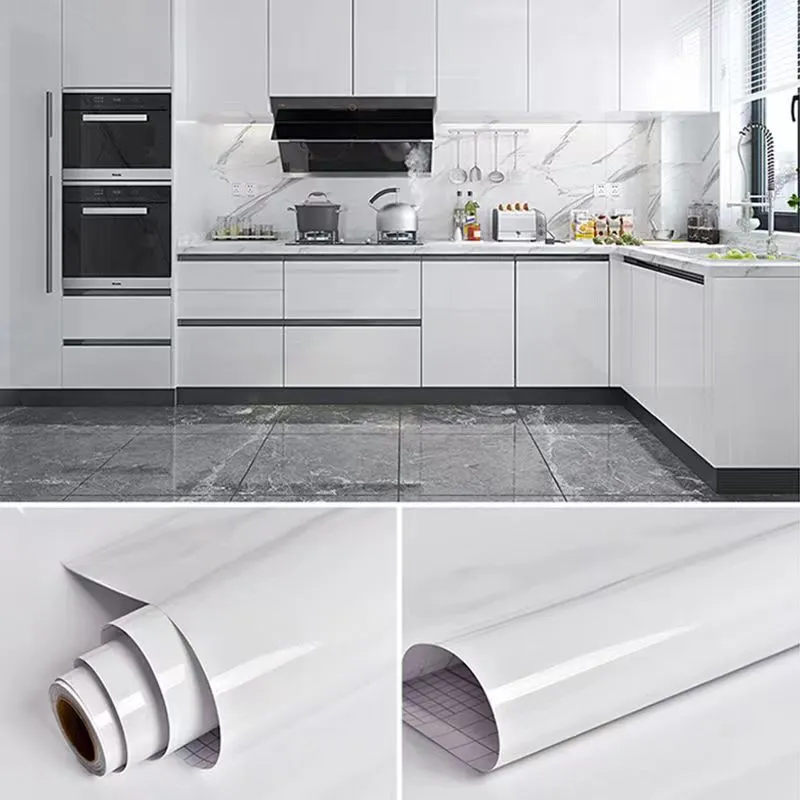
Request physical samples and ask for prototype runs with your custom print or color. For Niger installations, test samples in real conditions (direct sunlight, dust exposure, heat cycling). A short field trial on a local window will reveal adhesion and long-term appearance issues.
Negotiate transparent pricing that includes raw material cost breakdowns and packaging. Landlocked delivery to Niger usually raises logistics costs — factor in transit from major West African ports (Cotonou, Lomé, or Tema) and inland trucking. Clarify MOQ, sample pricing, and payment terms (L/C, T/T) to avoid surprises.
For smaller retailers or installers in Niger, suppliers able to split rolls and offer low MOQ packaged rolls are more useful than factories insisting on full-roll exports.
Because Niger is landlocked, choose a factory experienced in West African export logistics and flexible scheduling. Confirm typical production lead times, the factory’s packing for international transit, and whether they can coordinate with freight forwarders accustomed to overland transport into Niamey.
If you sell under a local brand, ensure the factory supports OEM labeling, custom widths, and tailored packaging. Ask about post-sale technical support for installers and replacement policies in case of defects discovered after installation.
Request client references, sample order records for West Africa or similar climates, and, if possible, a third-party audit report. Steady and clear English or French communication is essential — French may be preferred for many Nigerien partners.
Arrange a factory video tour or a third-party inspection to verify production claims. A supplier with transparent, documented processes minimizes risk.
| Criterion | Why it Matters | Questions to Ask |
|---|---|---|
| In-house production | Better quality control & faster response | Do you own calendering/printing/packaging lines? |
| QC & testing | Ensures durability in harsh climates | Can you share UV/adhesion/VLT test reports? |
| Export & logistics | Land transport increases transit complexity | Experience shipping to Niger or via Cotonou/Téma? |
| Customization & MOQ | Local market needs vary; small batches help retailers | What is your MOQ for custom widths/prints? |
Before signing, confirm: sample approval, production lead times, clear pricing including shipping to Niger, payment terms, warranty policy, and an agreed inspection method. A reliable partner will provide documentation, samples, and clear logistics planning for landlocked delivery.
Pulivk — consider a supplier with full in-house lines, strong QC checkpoints, and export experience to West Africa: https://pvcfilmtec.com/