Address
304 North Cardinal St.
Dorchester Center, MA 02124
Work Hours
Monday to Friday: 7AM - 7PM
Weekend: 10AM - 5PM
Address
304 North Cardinal St.
Dorchester Center, MA 02124
Work Hours
Monday to Friday: 7AM - 7PM
Weekend: 10AM - 5PM


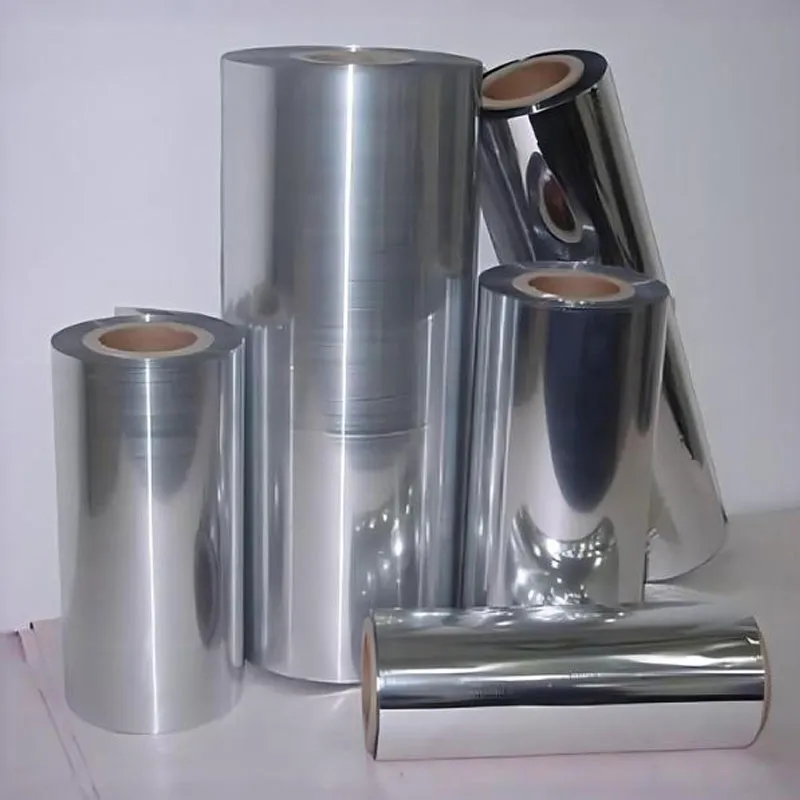
In Niger’s hot Sahel climate, choosing the right building materials is essential for protecting people, equipment, and goods from extreme heat. Heat insulation PVC film offers a cost-effective way for commercial and industrial operators to improve thermal performance, extend equipment life, and reduce energy costs across warehouses, markets, cold storage, and mining camps.
Thermal reflection and insulation — modern PVC films are formulated to reflect solar radiation and slow heat transfer, helping interiors stay cooler during the long, hot days typical of Niamey and the Sahel. For businesses in trading hubs and open-air markets, this improves comfort and protects temperature-sensitive products.
Durability under UV exposure — films designed for outdoor or semi-outdoor use resist UV degradation and maintain appearance and performance over years of high sun exposure.
Agriculture & food storage: heat-insulating films protect grain stores and refrigerated trucks from rapid heat gain, helping preserve quality and reduce spoilage during transport to markets in Maradi, Tahoua, and Zinder.
Mining & industrial camps: temporary shelters, equipment covers, and insulated partitioning help lower interior temperatures and protect sensitive instruments at remote uranium and gold exploration sites.
Commercial buildings & retail: storefronts, warehouse cladding, and interior retrofit films reduce air-conditioning loads and improve worker comfort in urban centers like Niamey.
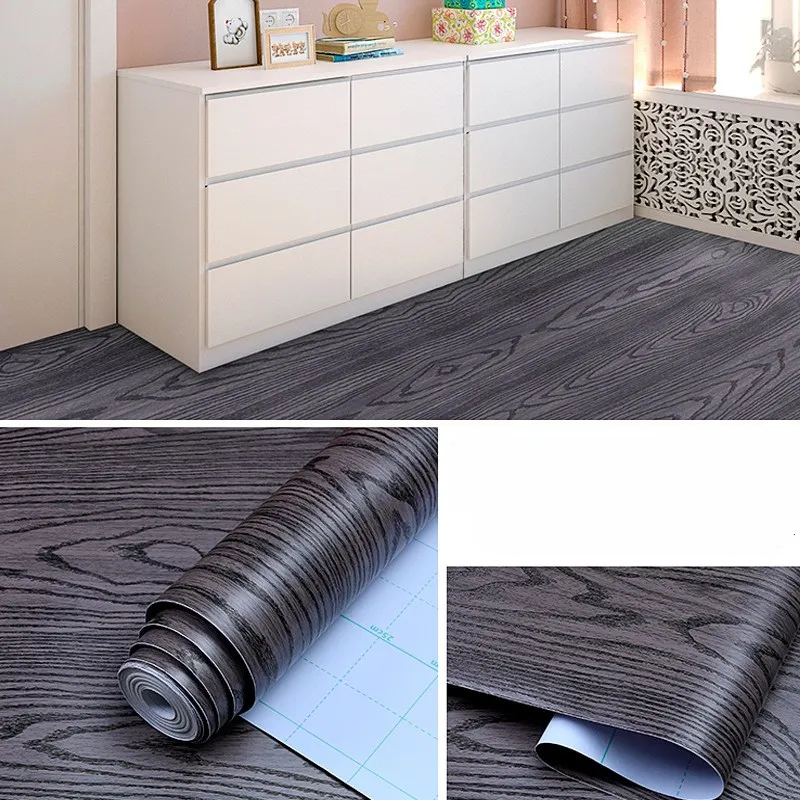
Available finishes — glossy, matte, embossed, and anti-slip textures for floor or wall applications; colored films for branding or solar-reflective light tones to maximize heat rejection.
Temperature range & thickness — options typically cover -10°C to +80°C service ranges with thicknesses from 0.05 mm to 1.0 mm depending on application and mechanical protection needs.
| Specification | Typical Range / Option |
|---|---|
| Thickness | 0.05 mm — 1.0 mm |
| Widths | Up to 2.1 m (customizable) |
| Temperature Resistance | -10°C to +80°C (typ.) |
| UV Stabilization | Yes — long-term outdoor grades |
| Surface Options | Glossy, matte, embossed, anti-slip |
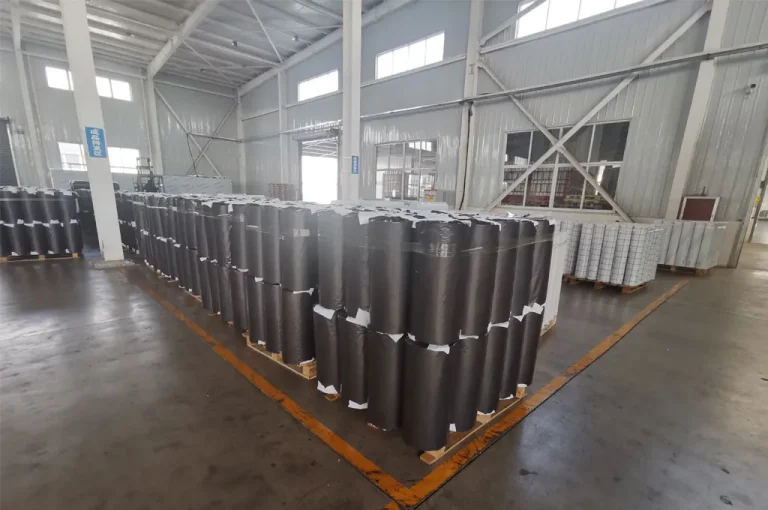
| Packaging & Logistics | Split rolls, wrapped & boxed for export; palletized for sea/air freight |
Assessment: evaluate sun exposure, airflow, and the type of goods or equipment to be protected. For example, open market stalls need UV-stable, reflective films while cold-chain units need thicker, insulating films with good sealing.
Customization: color, print, and size customization makes it easy to adapt films for branded retail facades, safety markings in industrial sites, or specific thermal needs on storage units.
Pulivk – https://pvcfilmtec.com/ supplies heat insulation PVC films from a fully in-house production line with calendering, printing, and split-packaging capabilities—helping buyers in West Africa and beyond access stable quality, flexible OEM options, and reliable lead times. The manufacturer follows multiple QC checkpoints from raw material to final packing to ensure product consistency for export.
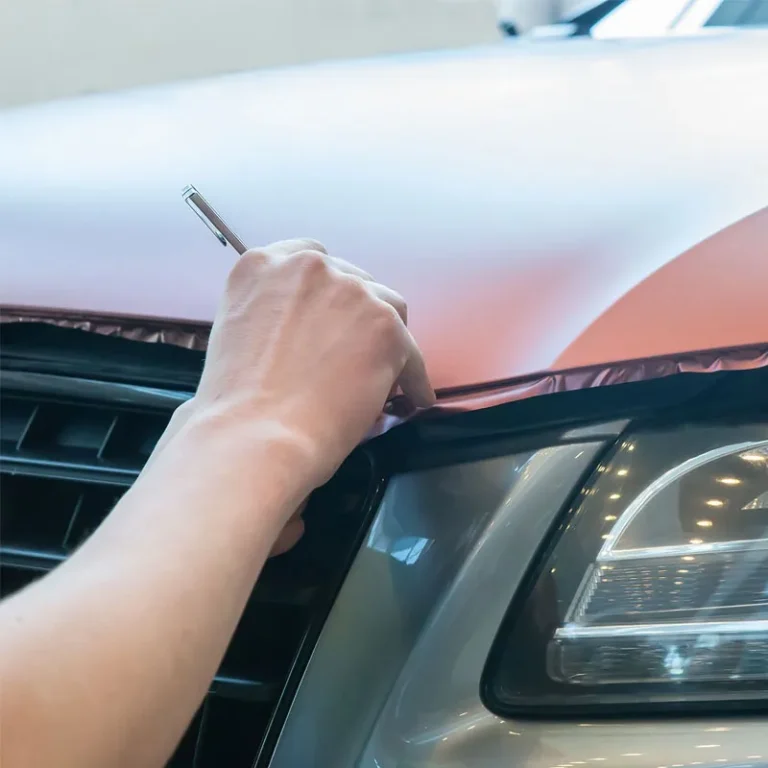
Install films on clean, dry substrates and avoid sharp folds during application. For outdoor installations, choose fasteners or adhesives rated for high temperatures and UV exposure. Periodic cleaning with mild detergent extends life and preserves reflective performance.
When sourcing for projects in Niger, prioritize suppliers that provide export packaging, clear lead times, and documentation for customs. Look for partners able to offer samples, technical datasheets, and local shipping options to Douala/Lagos hubs or direct shipments to Niger through nearby ports and overland logistics.
If you’re planning a retrofit or new installation in Niger’s commercial or industrial sectors, select films that balance reflectivity, durability, and cost-efficiency to reduce interior heat gain and protect assets. Request technical samples and installation guidance from your supplier to validate performance under local conditions.