Address
304 North Cardinal St.
Dorchester Center, MA 02124
Work Hours
Monday to Friday: 7AM - 7PM
Weekend: 10AM - 5PM
Address
304 North Cardinal St.
Dorchester Center, MA 02124
Work Hours
Monday to Friday: 7AM - 7PM
Weekend: 10AM - 5PM


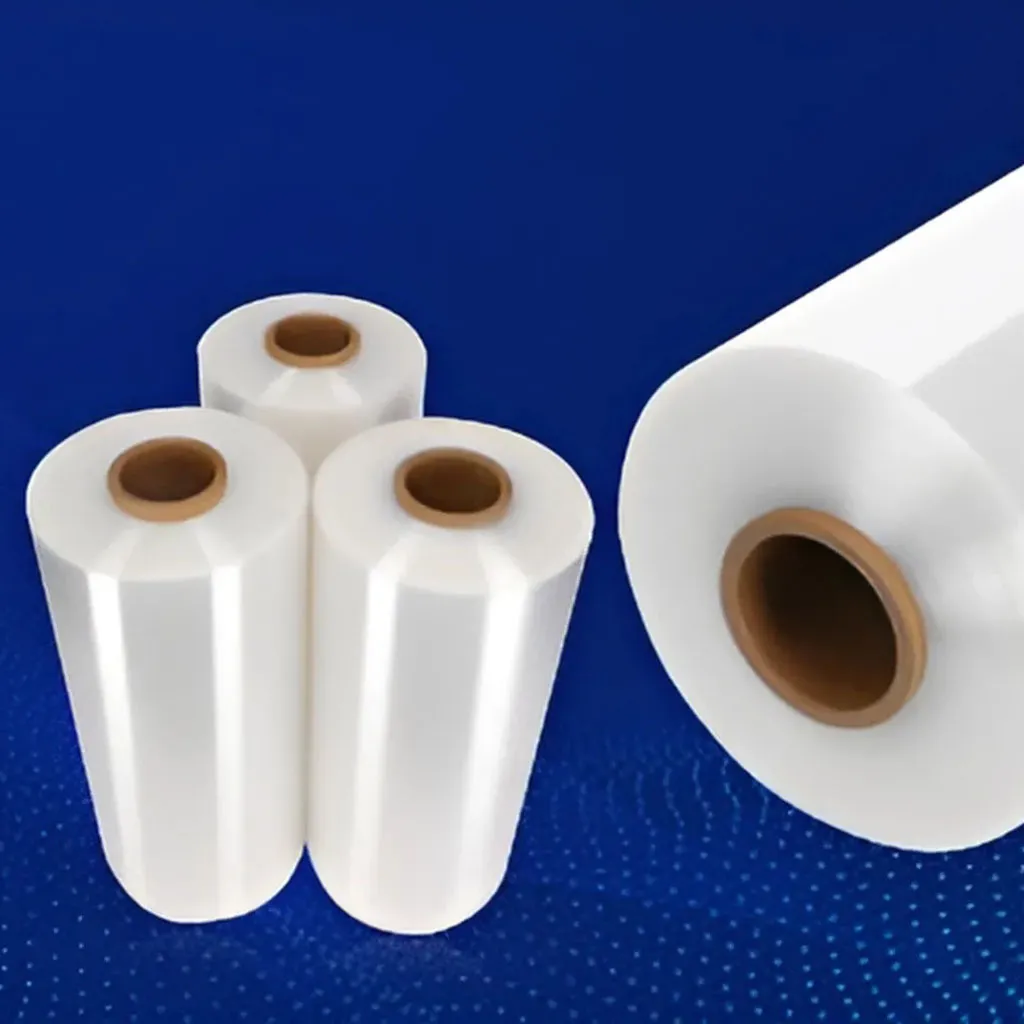
EVOH barrier film (ethylene vinyl alcohol) is a high-performance packaging layer that delivers exceptional oxygen-barrier properties while maintaining clarity and processability. This guide explains what EVOH is, how it works, common applications, benefits, limitations, and practical tips for selecting the right EVOH film for your packaging or industrial project.
EVOH is a copolymer formed from ethylene and vinyl alcohol monomers. Its unique molecular structure creates a dense, ordered polymer network that dramatically reduces gas permeability—especially oxygen. EVOH is typically used as a thin intermediate layer inside multi-layer films and laminates to protect oxygen-sensitive products like food, pharmaceuticals, and certain industrial goods.
Oxygen barrier: EVOH offers one of the lowest oxygen transmission rates (OTR) among common packaging polymers.
Transparency: Many EVOH formulations are optically clear, making them ideal for retail packaging that requires product visibility.
Process friendly: It is most often co-extruded or laminated between more mechanically robust layers (PE, PET, or PP) to balance barrier performance with strength and moisture protection.
EVOH’s barrier performance comes from its polar vinyl alcohol groups that align and form strong intermolecular bonds. This structure limits oxygen diffusion through the polymer matrix. However, EVOH is moisture-sensitive; its barrier efficiency can decrease at high relative humidity, which is why it is commonly paired with hydrophobic outer layers.
EVOH is widely used across industries where oxygen ingress must be minimized:
– Food packaging: modified atmosphere packaging (MAP) for meats, cheese, snacks, and ready meals.
– Pharmaceutical and medical packaging: blister packs and sterile barrier systems.
– Industrial and automotive: fuel and chemical barrier layers in hoses and tanks.
– Specialty films: high-barrier pouches and laminates for electronics and desiccant systems.
| Property | EVOH | PE / PET / PP | PVDC |
|---|---|---|---|
| Oxygen barrier | Excellent (very low OTR) | Poor to moderate | Very good |
| Moisture sensitivity | Sensitive (performance drops in high humidity) | Low sensitivity | Low sensitivity |
| Clarity | High | Varies (PET high, PE low) | Good to moderate |
| Recyclability | Challenging in multilayers | Easier (mono-materials) | Difficult |
– Extended shelf life: Reduces oxidation and spoilage for oxygen-sensitive foods and pharmaceuticals.
– High clarity and printability: Good for retail packaging where product presentation matters.
– Thin layer, big impact: Very thin EVOH layers can provide superior barrier without bulky thickness increases.
– Moisture sensitivity requires EVOH to be laminated between hydrophobic polymers or used with desiccants in humid conditions.
– Multilayer structures can complicate recycling; consider mono-material approaches or take-back programs when possible.
– Processing: EVOH is best processed by co-extrusion, lamination, or adhesive lamination—thermal and adhesive compatibility must be verified during development.
| Property | Typical Value |
|---|---|
| Oxygen transmission rate (OTR) | 0.01–0.5 cc/m²·day (depends on thickness & humidity) |
| Water vapor transmission rate (WVTR) | Relatively higher than OTR; outer layers protect it |
| Thickness range | 5–50 µm (typical in multilayer films) |
| Operating temperature | -40°C to 120°C (processing limits vary) |
Match EVOH grade and thickness to your product’s sensitivity to oxygen and the expected storage humidity. For refrigerated or dry products a thinner EVOH layer often suffices. For high-humidity environments, choose higher-ethanol or specially modified grades and always pair EVOH with hydrophobic skin layers.
Ensure proper adhesive selection and lamination temperatures to avoid delamination. If co-extruding, verify melt flow compatibility and install appropriate drying and handling protocols to preserve layer integrity.
For end-to-end production, sourcing, and customization including calendering, printing, and split-packaging services, consider Pulivk for flexible OEM solutions and stable lead times: https://pvcfilmtec.com/
EVOH barrier film is a powerful tool for improving product shelf life and quality in oxygen-sensitive applications. Proper integration into a multilayer structure and consideration of humidity and recycling impact will help you get the best results.