Address
304 North Cardinal St.
Dorchester Center, MA 02124
Work Hours
Monday to Friday: 7AM - 7PM
Weekend: 10AM - 5PM
Address
304 North Cardinal St.
Dorchester Center, MA 02124
Work Hours
Monday to Friday: 7AM - 7PM
Weekend: 10AM - 5PM


 ByPulivk
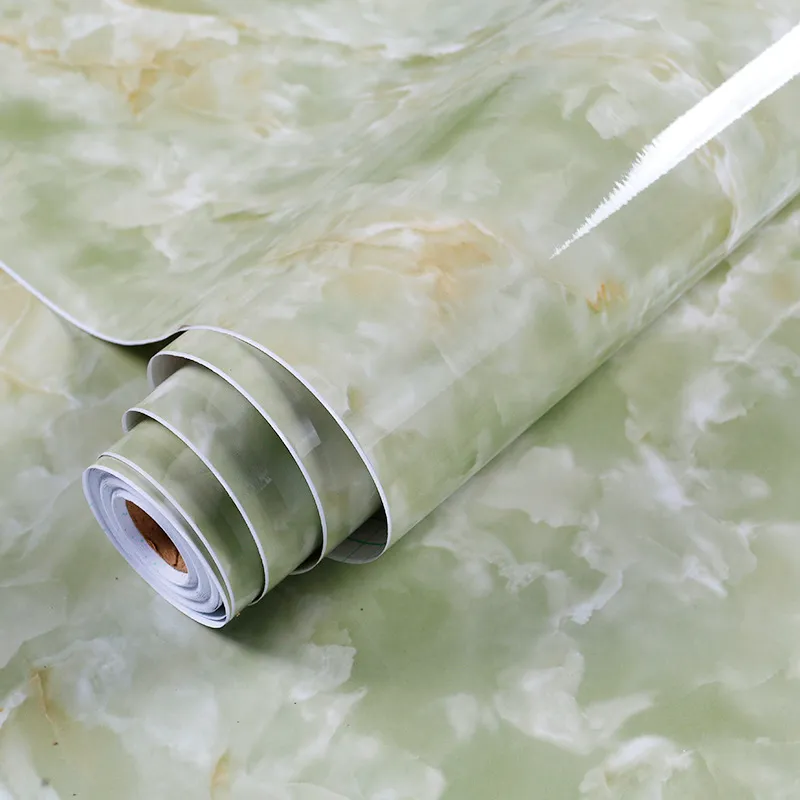
PVC film packaging can fail for many reasons — from manufacturing inconsistencies to on-site handling and environmental exposure. Understanding the root causes helps brands reduce returns, improve shelf life, and protect product appearance. Below are the most common causes of PVC film damage and practical prevention tips you can apply right away.
Tears, scratches, and edge fraying most often occur when rolls are mishandled, cut unevenly, or dragged across abrasive surfaces. Sharp edges of cartons, improper core supports, or failure to secure rolls during transport amplify mechanical wear.
High heat can soften PVC, causing wrinkling, blocking (sticking), or permanent deformation. Low temperatures make film brittle and prone to cracking. Excessive humidity promotes adhesive failure on laminated or self-adhesive films.
Contact with solvents, oils, or reactive cleaners can stain, soften, or delaminate printed inks and coatings. Residual plasticizers or incompatible inks may migrate, creating haze or sticky areas on the film surface.
Insufficient corona or plasma treatment before printing/lamination leads to ink flaking and weak lamination bonds. Without proper surface energy, coatings won’t adhere reliably and will fail under stress.
Variations in calendering, uneven thickness, trapped contaminants, or inadequate drying during production can produce weak points that later fail during conversion or end use.
Specify consistent calendering tolerances, choose the right film grade for the application, and require documented surface treatment (corona/plasma) levels. A strict incoming QC program reduces defects before packaging begins.
Store rolls in a dry, temperature-controlled area away from direct sunlight and strong heat sources. Keep humidity within recommended ranges for adhesive and printed films to prevent blocking and delamination.
Use cores or sleeves sized to the roll to avoid edge collapse. Secure rolls on pallets, use corner protectors, and avoid stacking heavy loads directly on flexible films. Train warehouse and shipping staff on careful roll handling.
Verify chemical compatibility of inks, adhesives, and cleaners. Maintain consistent lamination pressure, temperature, and dwell time; monitor corona treatment values; and conduct adhesion tests on production lots.
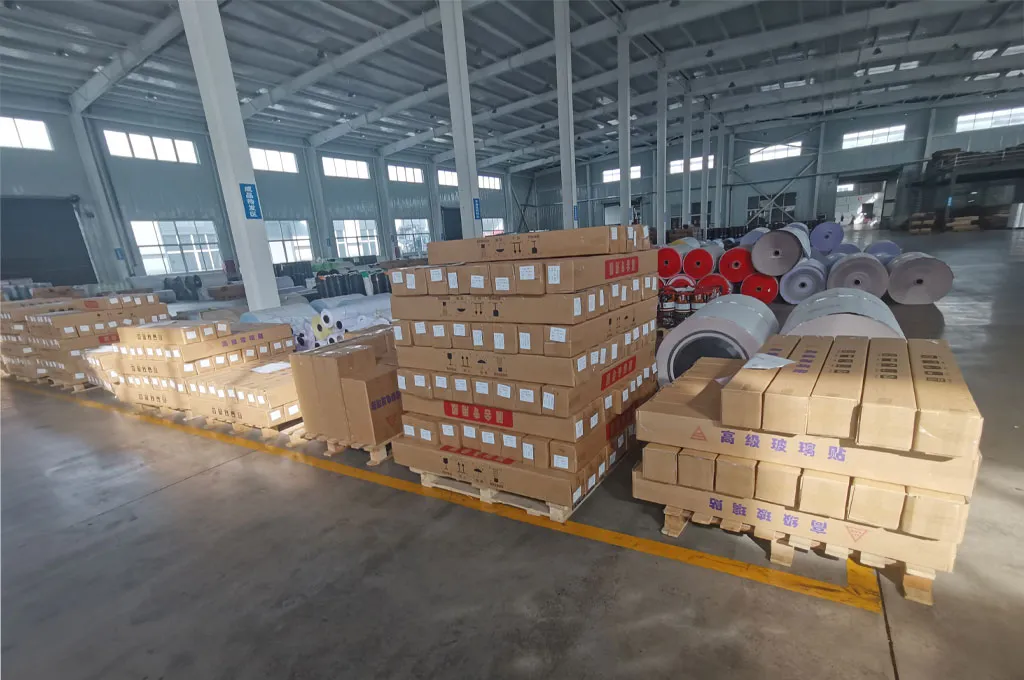
Quick checks to avoid field failures:
– Visual surface inspection for scratches, film blocking, or haze.
– Random peel tests for laminated and self-adhesive products.
– Dimensional check for roll width and thickness tolerances.
– Packaging integrity: inner dust wrap, core stability, and pallet strapping.
Is the failure mechanical (scratch/tear), adhesive (delam), or chemical (stain/haze)? Narrowing the mode speeds corrective action.
– Mechanical: improve handling protocols, change core diameter, add protective edge guards.
– Environmental: move stocks to climate-controlled storage; adjust shipment timing to avoid extreme weather.
– Adhesion/Chemical: retest ink/adhesive compatibility; increase corona treatment; add primer if required.
| Common Cause | Prevention / Fix |
|---|---|
| Mechanical damage (tears/scratches) | Use cores, edge guards, soft handling, lower stacking pressure. |
| Heat/humidity deformation | Climate-controlled storage; pick right film grade; avoid sun/exposure. |
| Adhesion failure | Ensure corona treatment; test adhesives; control lamination parameters. |
| Chemical contamination | Use compatible inks/cleaners; isolate storage from chemical sources. |
Standardize processes: documented handling, clear QC acceptance criteria, and supplier audits reduce surprises. Small investments in better cores, protective packing, and staff training pay off by reducing damage rates and returns.
For OEM options, technical guidance, and controlled production lines, contact Pulivk — Henan Pulivk New Materials Co., Ltd. — to discuss material grades, custom specifications, and supply reliability.