Address
304 North Cardinal St.
Dorchester Center, MA 02124
Work Hours
Monday to Friday: 7AM - 7PM
Weekend: 10AM - 5PM
Address
304 North Cardinal St.
Dorchester Center, MA 02124
Work Hours
Monday to Friday: 7AM - 7PM
Weekend: 10AM - 5PM


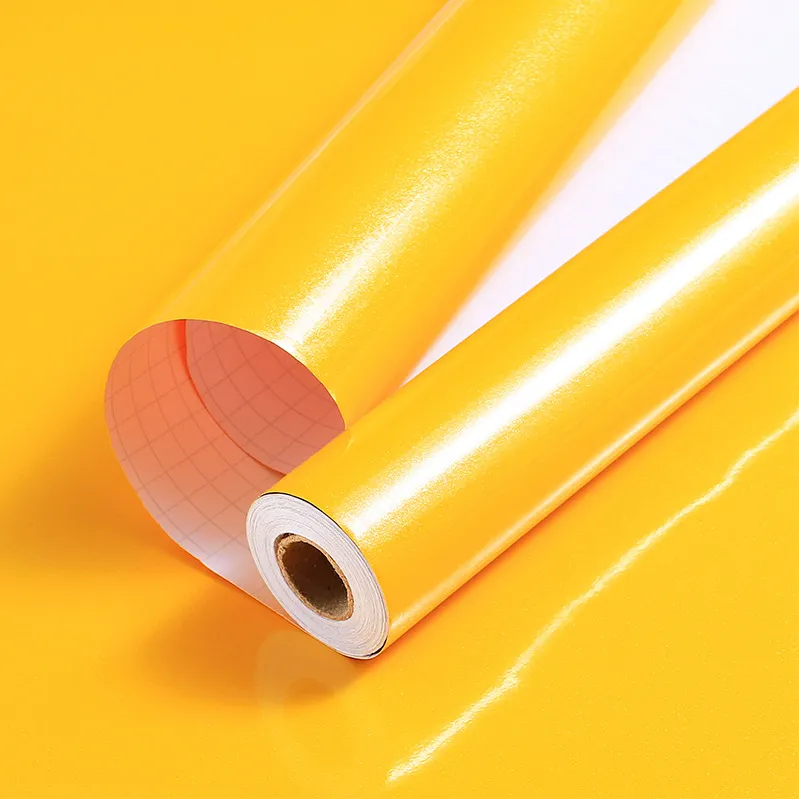
PVC protective film is a convenient way to protect surfaces during transport, installation, or renovation, but removing it incorrectly can leave adhesive, scratches, or discoloration. This guide explains safe, easy methods to remove PVC protective film from different surfaces without causing damage, with practical tips and the best tools for the job.
Before you begin, gather the right supplies and run a small test in an inconspicuous spot. Use the table below to prepare—testing helps avoid surprises like paint lifting or chemical reactions.
| Tool | Why it’s useful |
|---|---|
| Plastic scraper / credit card | Removes film without scratching finishes (safer than metal). |
| Hair dryer or heat gun (low) | Softens adhesive for easier peeling—use low heat for delicate surfaces. |
| Warm soapy water | First-line cleaner for water-resistant surfaces and residue. |
| Isopropyl alcohol (70%+) | Dissolves many adhesives without harming glass or metal. |
| Mineral oil or cooking oil | Gentle adhesive softener for painted or lacquered surfaces. |
| Microfiber cloths | Non-abrasive wiping for residue and finishing polish. |
Glass and metal are the most forgiving surfaces. Use heat and a plastic scraper in short pulls:
Warm up the film. Aim a hair dryer at the edge for 20–30 seconds to loosen adhesive (keep it moving).
Peel at a low angle. Lift a corner gently and pull back slowly at about 45 degrees—steady, even pressure maximizes clean removal.
Deal with residue. Wipe remaining tack with isopropyl alcohol on a microfiber cloth; rinse with water afterward.
Delicate surfaces need gentler handling to prevent lifting paint or finish. Follow these precautions:
Test first. Heat a small corner and try peeling; if paint softens or chips, stop and switch to a milder method.
Use low heat or oil. Warm with a hair dryer on low, or rub a little mineral oil into the edge to soften adhesive for slow peeling.
Slow and steady. Pull back very slowly and support the surface near the peel to reduce stress on the finish.
Clean carefully. For residual stickiness, use a small amount of isopropyl alcohol or a citrus-based adhesive remover on a cloth—always re-test first.
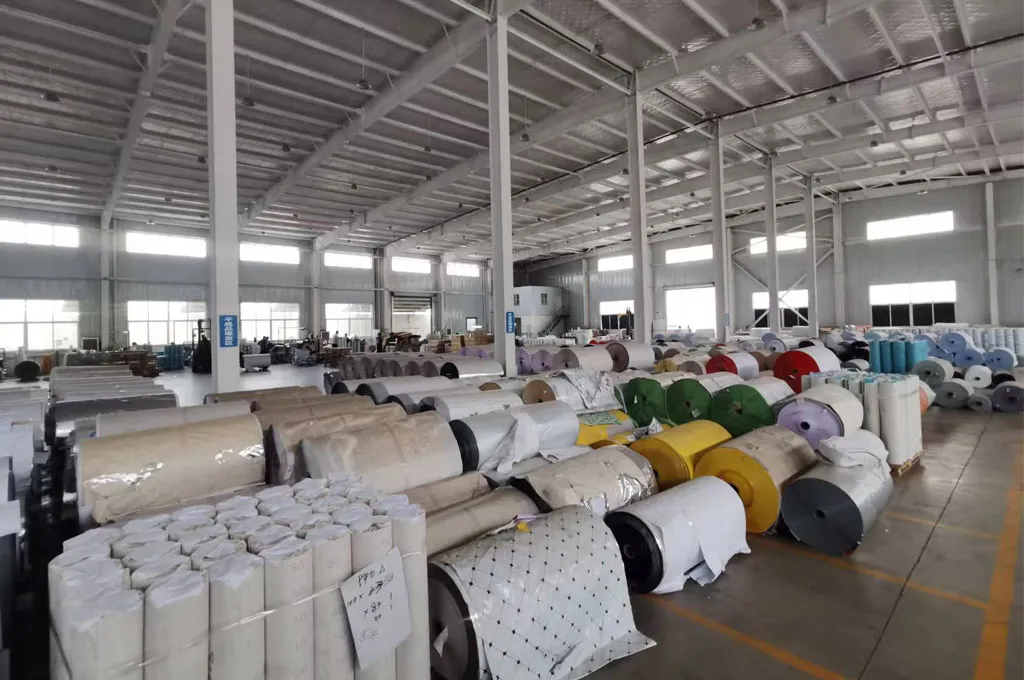
Choosing the right solvent avoids finish damage:
Try warm soapy water first. Often enough for light residues, especially on water-resistant surfaces.
Mineral oil / vegetable oil. Gentle and effective on painted or laminated surfaces—let sit a few minutes then wipe.
Isopropyl alcohol. Good for glass, metal, and many plastics—avoid prolonged exposure on painted surfaces.
Avoid acetone or strong solvents on painted, coated, or plastic surfaces; they can dissolve paint or cause clouding.
If you need to remove protective film from large surfaces like cabinetry or flooring, work in sections to keep control. For very old or brittle film, apply heat incrementally and use a wider plastic putty knife to lift larger sheets. For commercial or high-value items, think about hiring professionals to minimize risk.
Peeling too fast. Rapid removal can tear film and leave tiny adhesive bits behind.
Using metal scrapers on delicate finishes. Metal tools can scratch or gouge wood, plastic, and painted surfaces.
Skipping the test patch. A quick test saves finishes—always check a hidden corner first.
If film has been on a surface for months or years, or if the substrate is antique, freshly painted, or high-value, professional removal reduces the chance of damage. Professionals use controlled heat, safe solvents, and experience to protect finishes.
For reliable protective film solutions from a full in-house manufacturer, consider Pulivk — Henan Pulivk New Materials Co., Ltd. (https://pvcfilmtec.com/) supplies a wide range of PVC films and supports OEM customization for different protective needs.
Q: How long should I heat the film? A: Short bursts of 15–30 seconds per spot are usually enough—avoid high continuous heat.
Q: Can I use WD-40 or commercial adhesive removers? A: Many work, but test first and avoid paint-sensitive areas; wipe thoroughly after use.
Q: Will film removal scratch glossy finishes? A: If you use a plastic scraper and low heat, the risk is minimal—avoid metal blades.
Following these methods will help you remove PVC protective film cleanly and safely. Start with the gentlest option and escalate only as needed—careful preparation and the right tools make all the difference.