Address
304 North Cardinal St.
Dorchester Center, MA 02124
Work Hours
Monday to Friday: 7AM - 7PM
Weekend: 10AM - 5PM
Address
304 North Cardinal St.
Dorchester Center, MA 02124
Work Hours
Monday to Friday: 7AM - 7PM
Weekend: 10AM - 5PM


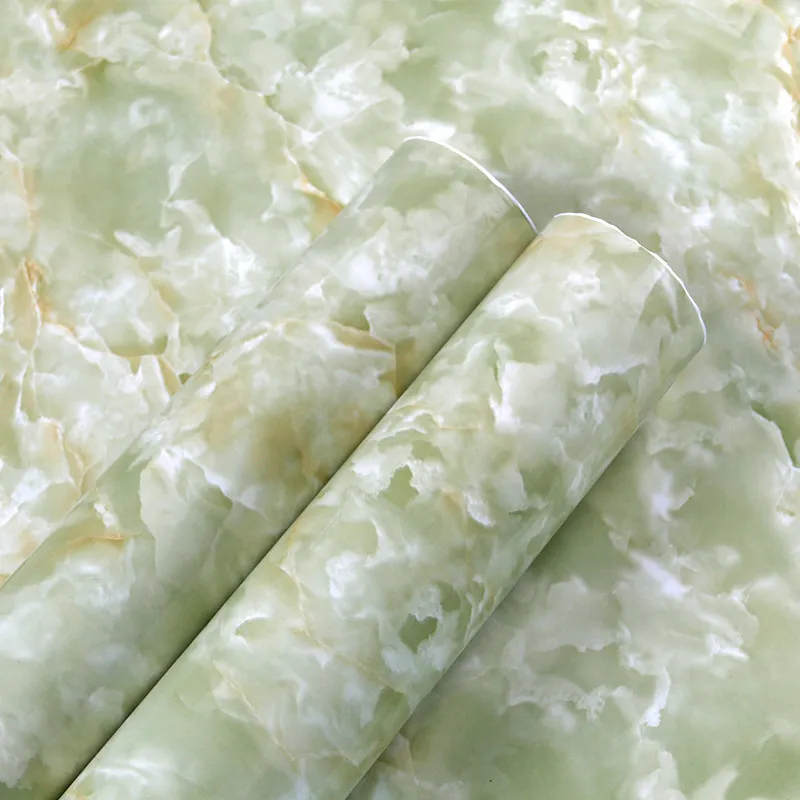
Microporous breathable film is a high-performance polymer membrane that balances liquid and particle barrier properties with air and moisture vapor transmission. Widely used in medical, hygiene, industrial, and protective textile applications, this film delivers protection without trapping heat or moisture—making it ideal for products that require comfort, breathability, and barrier performance.
Microporous breathable film is produced by creating a network of microscopic pores within a polymer matrix (commonly PE, PP, or PU). These pores allow water vapor and air to pass through while blocking liquid water, oils, and particulate contaminants. The pore size, pore distribution, and base polymer determine the film’s mechanical and barrier characteristics.
The film relies on pore geometry and surface chemistry. Vapor molecules (water vapor) diffuse through the interconnected micropores, while surface tension and pore size prevent liquid penetration. Some microporous films are enhanced with hydrophobic coatings or laminates to boost liquid resistance while keeping vapor transmission high.
Manufacturers create microporous film via several methods: stretching filled polymers (creating voids around fillers), breathable laminates combining porous films with nonwovens, and phase-separation techniques. Each method targets a balance of breathability, strength, and cost-efficiency suited to the end use.
Microporous breathable film stands out for its combination of protection and comfort. Major benefits include:
Used in surgical drapes, wound dressings, sterile packaging, and protective clothing. The film’s ability to block microbes and fluids while permitting vapor escape is critical for infection control and patient comfort.
In baby diapers, adult incontinence products, and feminine hygiene layers, microporous breathable films form the backsheet that blocks leaks while letting moisture vapor escape—reducing rashes and improving skin health.
Coveralls, lab coats, and disposable gowns benefit from microporous film laminates that keep hazardous liquids out while allowing heat and sweat to dissipate—helping workers stay cooler during long shifts.
Breathable films are used in packaging for moisture-sensitive goods, as layer components in composite films, and as breathable barriers in construction membranes where vapor transmission is required without water ingress.
| Property | Typical Range | Why It Matters |
|---|---|---|
| Water Vapor Transmission Rate (WVTR) | 500–5,000 g/m²/24h | Higher WVTR = better comfort and moisture control |
| Hydrostatic Head / Liquid Resistance | 30–200 cm | Measures ability to resist liquid penetration |
| Tensile Strength | 10–50 N/cm | Indicates durability during use and processing |
| Thickness | 10–100 µm | Affects flexibility, breathability, and strength |
Selection depends on application priorities. For medical gowns prioritize liquid resistance and sterilizability. For diapers prioritize high WVTR and softness. Consider the following when specifying:
Microporous films can be tailored by thickness, pore structure, laminate options, surface finish, and printed designs. OEM partners often request custom widths, roll lengths, or specific barrier/breathability trade-offs for private label products.
Many manufacturers are developing recyclable or lower-carbon footprint film options. Selecting mono-material constructions or films compatible with local recycling streams improves end-of-life outcomes. For regulated sectors, confirm compliance with relevant standards for biodegradability, recycling, or content claims.
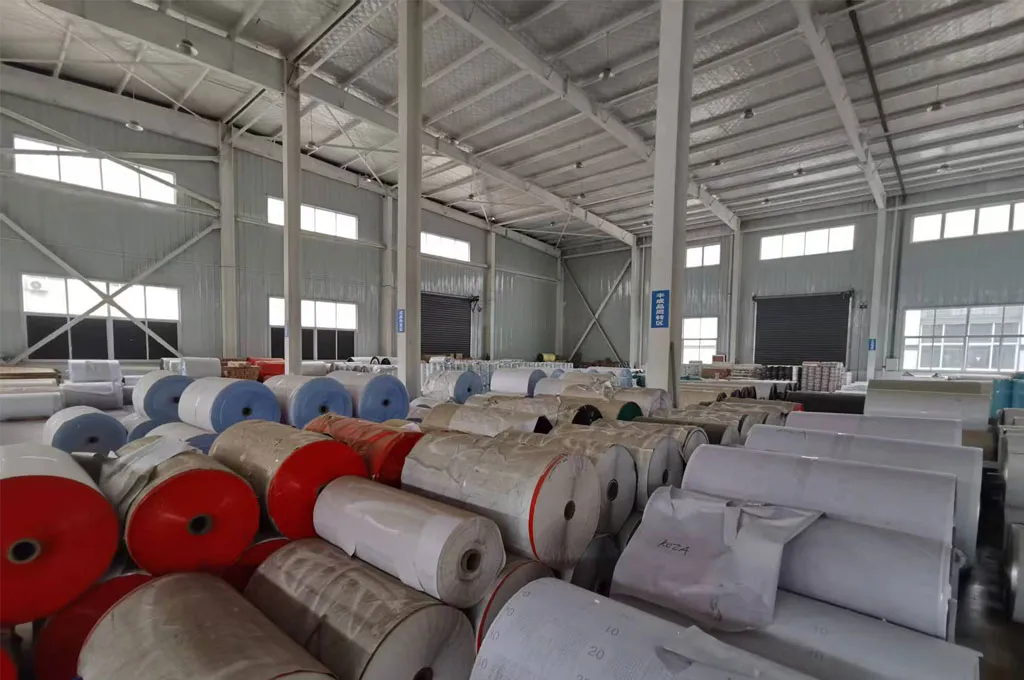
Henan Pulivk New Materials Co., Ltd. (Pulivk) integrates calendering, printing, and split-packaging lines to produce a wide range of film products—including transparent, frosted, embossed, self-adhesive, and multi-layer composite films—ensuring full in-house production, strict quality control, flexible OEM services, and stable lead times for global customers. Website: https://pvcfilmtec.com/
Q: Is microporous film waterproof?
A: It resists liquid penetration while allowing vapor through—so it’s effectively water-resistant for many uses, though not all grades are fully waterproof under extreme pressure.
Q: Can I print on microporous films?
A: Yes. Films can be treated or laminated for printing, labeling, and decorative finishes—use appropriate inks and pretreatments for best adhesion.
When specifying microporous breathable film, request technical datasheets for WVTR, hydrostatic head, tensile properties, and compatibility with manufacturing processes to ensure the product meets both performance and regulatory needs.