Address
304 North Cardinal St.
Dorchester Center, MA 02124
Work Hours
Monday to Friday: 7AM - 7PM
Weekend: 10AM - 5PM
Address
304 North Cardinal St.
Dorchester Center, MA 02124
Work Hours
Monday to Friday: 7AM - 7PM
Weekend: 10AM - 5PM


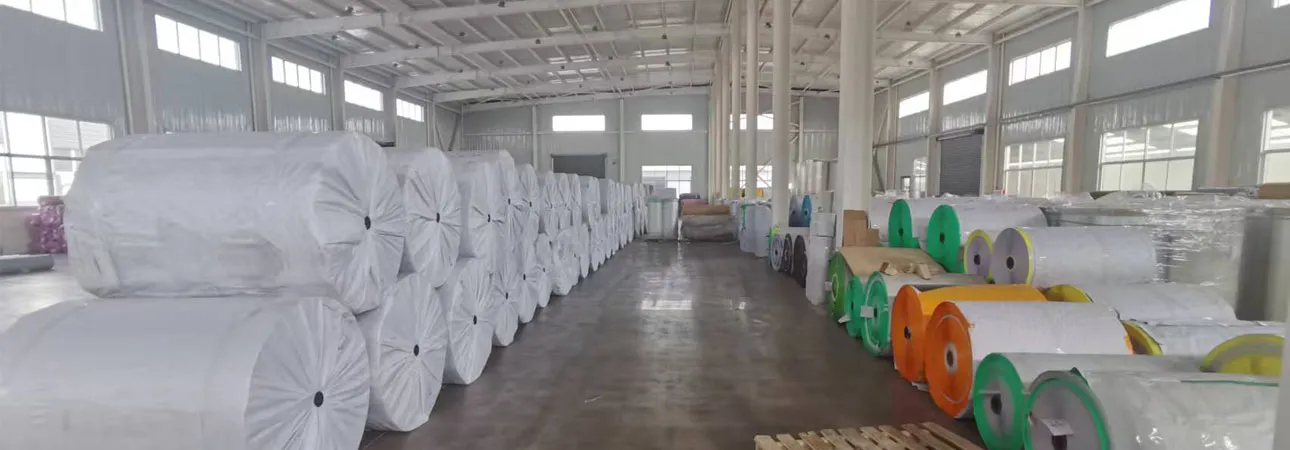
Custom vinyl window film transforms ordinary glass into beautiful, private, and energy-efficient surfaces. Whether you’re a homeowner updating a bathroom window, an office manager seeking privacy without heavy drapes, or an architect specifying solar-control glazing, vinyl films offer a fast, cost-effective upgrade with near-instant results.
Vinyl window film is a thin, adhesive-backed or static-cling layer applied to glass. Custom vinyl films are made to order in patterns, opacity levels, sizes, and finishes — from frosted privacy to decorative prints and mirrored solar-control versions. Modern manufacturing allows printed graphics, micro-textures, and multi-layer composites for enhanced durability and performance.
Residential: bathroom privacy, balcony doors, frosted bedroom windows.
Commercial: meeting room privacy, storefront branding, partition decoration.
Hospitality & Retail: decorative motifs, wayfinding, and UV protection for product displays.
| Type | Best For | Key Benefit |
|---|---|---|
| Frosted / Etched | Bathrooms, offices, doors | Privacy without losing natural light |
| Decorative Printed | Retail, hospitality, branding | Custom artwork and textures |
| Solar Control / Reflective | Sun-facing windows, offices | Reduces glare and UV heat gain |
| Safety & Security | Ground-floor glazing, schools | Shatter resistance and extra strength |
Privacy — Frosted and frosted-look films provide daytime and nighttime privacy without heavy treatments. Decorative patterns let you control sight-lines while keeping daylight.
Energy & UV Control — Solar films reduce heat gain and block up to 99% of UV, protecting interiors and lowering cooling costs. Many modern films offer measurable energy savings.
Design Flexibility — Choose from translucent textures, printed imagery, gradients, and metallic finishes. Custom sizes and window-specific printing let designers match brand or décor themes precisely.
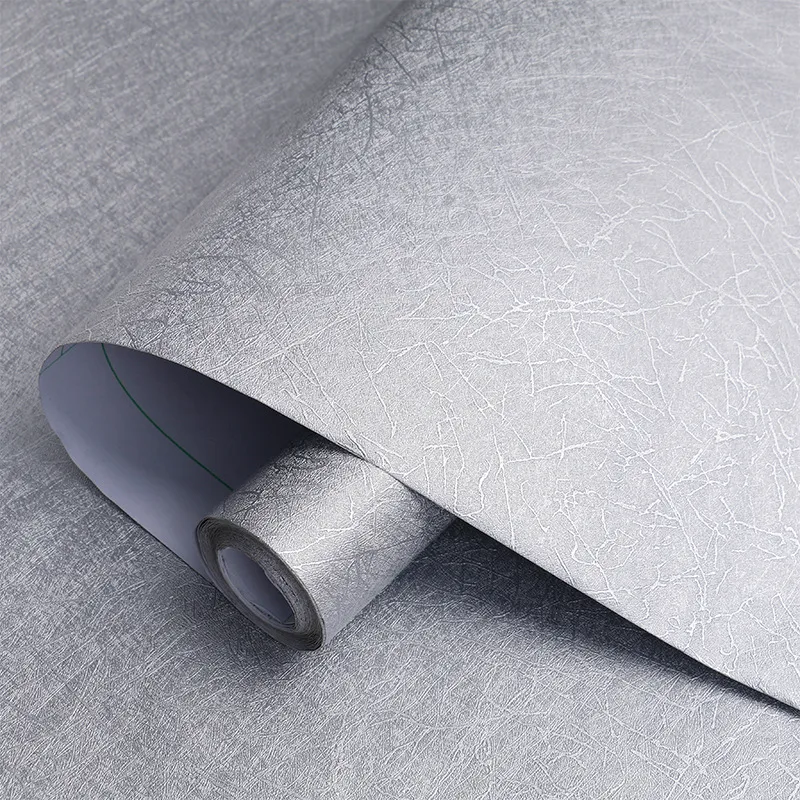
There are two main installation methods: adhesive-backed (permanent or semi-permanent) and static-cling (removable). Adhesive films offer longer lifespans and superior edge-seal performance; static-cling is ideal for renters or seasonal use. Professional installation is recommended for large or patterned films to avoid bubbles and misalignment.
DIY kits work well for small, flat windows and simple patterns. For architecturally complex glass, multiple panels, or high-value façades, choose professional installers who can manage alignment, seaming, and edge sealing.
Care is simple: clean with a soft, non-abrasive cloth and a mild soapy solution. Avoid ammonia-based cleaners and abrasive pads. With proper care, high-quality vinyl window films last 5–15 years depending on exposure, type, and installation quality.
Custom sizes, printed logos, and specialty finishes are standard in modern production. If you need OEM options, consider a full-production partner with calendering and printing lines to control quality and lead times. For manufacturing and supply inquiries, contact Pulivk.
Solar heat rejection (%), UV blockage (%), visible light transmission (VLT), scratch resistance rating, and fire rating (where applicable). Reliable suppliers will provide lab data sheets and installation instructions.
Offices reduce HVAC load with solar films; retailers protect merchandise from UV; restaurants add branding and privacy without sacrificing window seating. Small retrofit projects often pay back in energy or reduced replacement costs within a few years.
Test small areas, order samples, and verify installation practices. When specifying custom films, include tolerances for glass size, seam locations, and adhesion type in your purchase order to prevent surprises.
