Address
304 North Cardinal St.
Dorchester Center, MA 02124
Work Hours
Monday to Friday: 7AM - 7PM
Weekend: 10AM - 5PM
Address
304 North Cardinal St.
Dorchester Center, MA 02124
Work Hours
Monday to Friday: 7AM - 7PM
Weekend: 10AM - 5PM


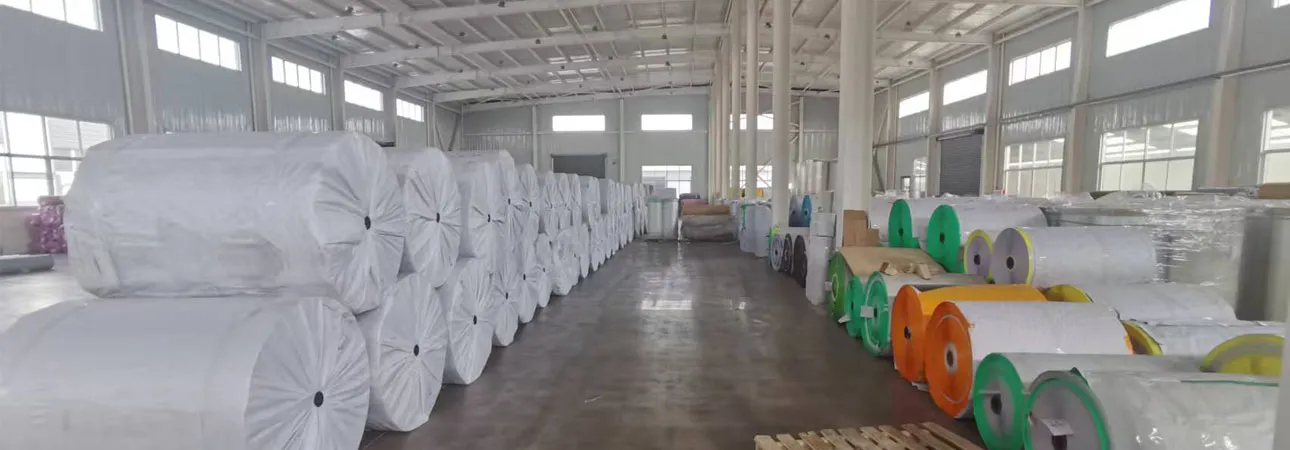
Photovoltaic encapsulation film is a thin polymer layer used in solar modules to protect and bond the solar cells. It plays a central role in durability, energy yield and safety by sealing cells from moisture, providing electrical insulation, and maintaining optical clarity for sunlight transmission.
Encapsulation film sits between the solar cells and the outer cover (glass or backsheet). Its design balances mechanical, chemical and optical duties to ensure modules perform reliably for 20–30 years in the field.
The film forms a moisture and gas barrier that prevents water ingress, oxygen and corrosive contaminants from reaching the cell surface. Moisture resistance is essential to avoid corrosion of cell metallization and to reduce potential-induced degradation (PID).
By electrically isolating cells and circuit traces, the encapsulant reduces risk of short circuits and leakage currents. This insulation helps maintain safe, predictable module operation under high voltage and temperature swings.
Encapsulation film cushions cells against mechanical stress (thermal expansion, wind, hail and handling). It bonds cells to the glass/backsheet and reduces micro-cracking by distributing strain across the laminate.
High visible light transmittance and low yellowing are critical. The film must remain optically clear over time so incident sunlight reaches the cell with minimal loss. Anti-yellowing additives and UV stabilizers are common to maintain long-term clarity.
Encapsulants must resist thermal cycling, retain adhesion under heat, and tolerate UV exposure. Materials with good thermal stability minimize delamination and bubbling that can reduce module performance.
The film must adhere strongly to both glass and cell surfaces during the lamination process. Proper flow, crosslinking behavior and peel strength ensure a durable laminate with consistent interlayer bonding.
Two encapsulant chemistries dominate the market: ethylene-vinyl acetate (EVA) and polyolefin elastomers (POE). Each has trade-offs in cost, durability and performance—choose based on system design and environmental stressors.
| Property | EVA | POE |
|---|---|---|
| Cost | Lower | Higher |
| UV/Yellowing Resistance | Moderate (additives needed) | Better |
| Moisture Permeability | Higher | Lower |
| Compatibility with Bifacial/Transparent Backsheets | Good | Excellent |
| PID Resistance | Moderate | Superior |
EVA is cost-effective for standard modules and has decades of field experience. POE is favored for high-reliability systems, bifacial modules and harsh climates due to lower moisture permeability and better PID resistance.
Failure modes tied to encapsulation include yellowing, delamination, bubbling, and loss of adhesion. These issues reduce light transmittance and allow moisture to attack cells. Selecting stabilized films and controlling lamination parameters reduces these risks.
Key manufacturing steps impacting film function:
Material formulation including UV stabilizers and antioxidants.
Cleanroom handling and precise layer alignment to avoid contaminants.
Optimized lamination temperature, time and vacuum to eliminate bubbles and ensure full adhesion.
Post-lamination inspection and accelerated aging tests to verify long-term stability.
Consider module application, local climate and system voltage when specifying encapsulant film. For hot, humid regions or high-voltage systems, prioritize low moisture permeability and PID resistance. For cost-sensitive, standard installations, EVA remains a common choice.
Transparency & Yellowing Resistance: Confirm visible light transmittance and accelerated yellowing data.
Adhesion & Peel Strength: Verify peel tests with glass/cell/backsheet.
Moisture & PID Performance: Ask for WVTR and PID test reports.
Lamination Window: Check processing specs to match your production line.
Pulivk (https://pvcfilmtec.com/) provides in-house calendering, printing and split-packaging lines that help control film quality and delivery for custom encapsulation and decorative films.
Choosing the right photovoltaic encapsulation film is a balance of optics, protection and long-term stability. Evaluate materials with real-world tests and match lamination processes to the film’s recommended parameters to maximize module lifetime and energy yield.