Address
304 North Cardinal St.
Dorchester Center, MA 02124
Work Hours
Monday to Friday: 7AM - 7PM
Weekend: 10AM - 5PM
Address
304 North Cardinal St.
Dorchester Center, MA 02124
Work Hours
Monday to Friday: 7AM - 7PM
Weekend: 10AM - 5PM


Clear PVC film is widely used for packaging, decorative overlays, and protective coverings because of its transparency and flexibility. A common question among manufacturers, installers, and end users is whether clear PVC yellowing occurs over time—and if so, why it happens and how to extend the film’s clear appearance.
Several chemical and environmental factors contribute to the yellowing of clear PVC film. The most common causes are:
Yellowing speed depends on film formulation, thickness, and environment. Under direct sunlight and high heat, some low-stabilizer PVC films may show visible yellowing in months. High-quality, UV-stabilized films can remain visually clear for years in indoor environments.
Not all clear films behave the same. Calendered PVC, cast PVC, co-extruded multi-layer films, and PET all have different aging profiles:
To keep clear PVC looking fresh longer, consider these practical steps:
Routine maintenance can prolong clarity. Use a soft microfiber and a neutral pH cleaner. Do not use abrasive pads or strong solvents like acetone, which can strip stabilizers and accelerate yellowing.
| Factor | Effect on Yellowing | Mitigation |
|---|---|---|
| UV Light | High risk of yellowing | Use UV stabilizers or UV-filtering top coat |
| Heat | Accelerates degradation | Avoid heat sources; choose heat-resistant formulations |
| Plasticizer Migration | Surface tackiness and discoloration | Select low-migration plasticizers or alternative polymers |
If long-term optical clarity is critical—such as museum displays, high-end packaging, or outdoor signage—consider PET or specially formulated cast films. PET offers superior UV and heat resistance and is less prone to plasticizer-related yellowing.
When sourcing clear PVC film, ask suppliers for:
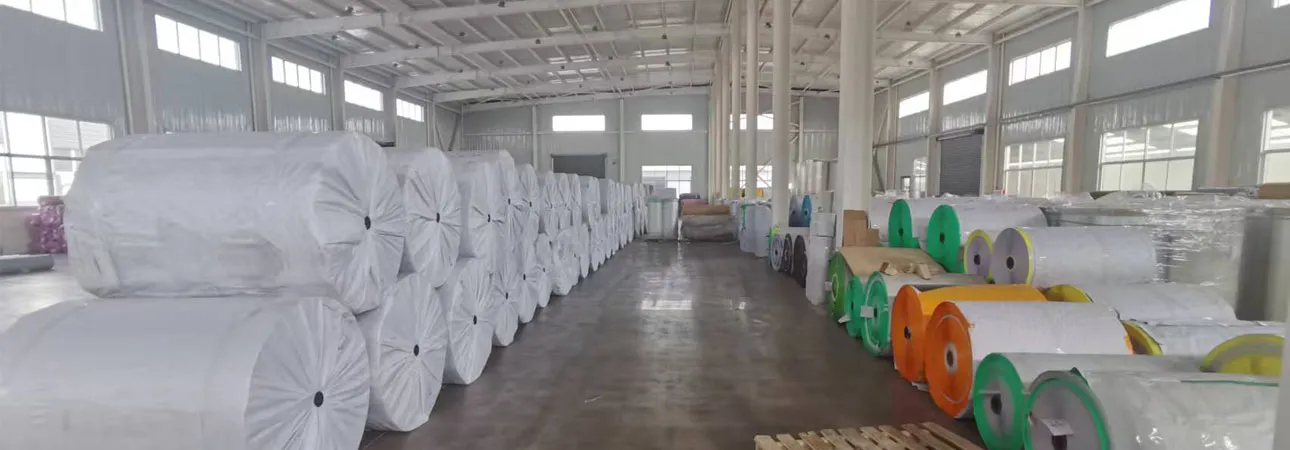
For customers seeking reliable supply with in-house production control, Pulivk provides calendering, printing, and split-packaging capabilities—allowing specification of stabilizers, thickness, and custom finishes to reduce yellowing risk.
Clear PVC can yellow over time under UV, heat, and chemical stress, but careful material selection, protective coatings, and sensible maintenance can greatly extend its clear life. For critical applications, evaluate higher-stability alternatives like PET or ask manufacturers for UV-stabilized, low-migration formulations.