Address
304 North Cardinal St.
Dorchester Center, MA 02124
Work Hours
Monday to Friday: 7AM - 7PM
Weekend: 10AM - 5PM
Address
304 North Cardinal St.
Dorchester Center, MA 02124
Work Hours
Monday to Friday: 7AM - 7PM
Weekend: 10AM - 5PM


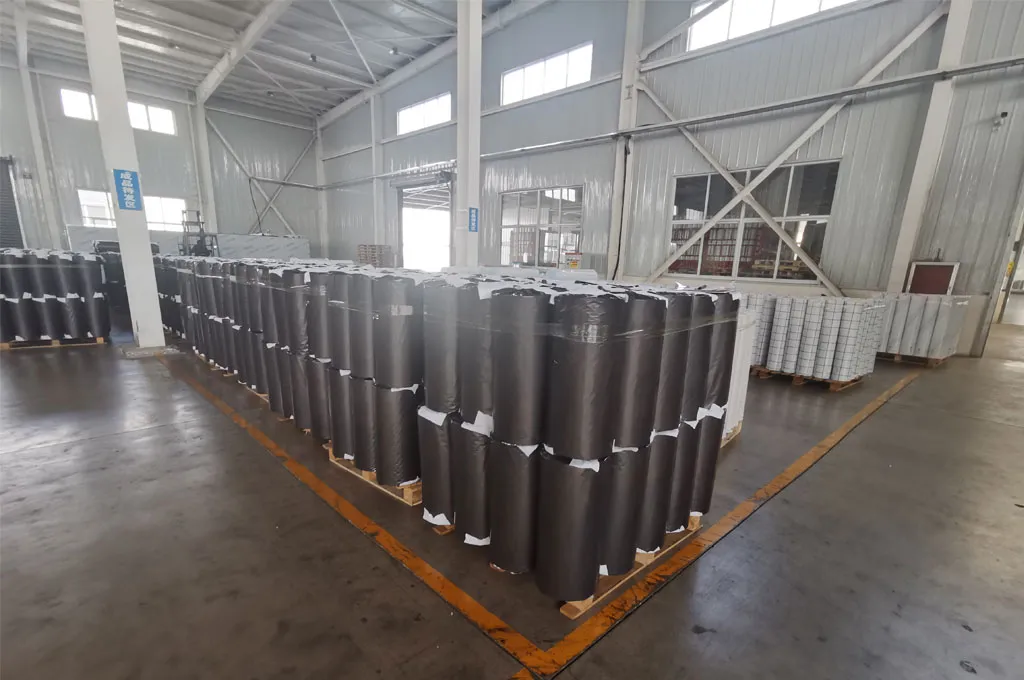
PVC film is a versatile thermoplastic used in decorative surfacing, protective packaging, floor and wall coverings, automotive wrap, and many industrial applications. Lightweight, durable, and available in a wide range of finishes, PVC film helps manufacturers, builders, and designers achieve consistent aesthetics and functional protection at competitive costs. This guide explains global applications, common types, and a practical buying checklist to help procurement teams, DIY renovators, and product developers choose the right PVC film for each project.
Decorative surfacing: furniture laminates, wardrobe doors, and skirting membranes use printed or embossed PVC film to replicate wood-grain, marble, and metallic finishes. These films are popular with furniture factories and interior fit-out contractors who need cost-effective visual upgrades.
Floor & wall protection: protective floor films, anti-slip bathroom stickers, and kitchen oil-proof films are in high demand for renovation projects and temporary protection during construction. In regions with fast urban renovation cycles (Southeast Asia and the Middle East), short lead times and split-pack options are highly valued.
Packaging & industrial: food packaging film, PE-antistatic layers, and multi-layer composite films serve manufacturing lines that require barrier performance and controlled machinability.
Automotive & decals: car wraps and sticker films demand high dimensional stability and colorfastness, a priority for fleets and aftermarket customization in Europe and the US.
Market nuances: European buyers increasingly prioritize regulatory compliance (low-VOC, REACH), while North American DIY and commercial markets emphasize durability and warranty. Southeast Asian and Middle Eastern customers often look for flexible OEM customization and competitive pricing combined with reliable logistics.
PVC film types differ by production method, finish, and function. Understanding these distinctions helps you match film performance to end-use requirements.
| Type | Typical Thickness | Primary Uses | Key Features |
|---|---|---|---|
| Calendered PVC film | 50–400 μm | Decorative laminates, furniture surfaces | Wide finish range: glossy, matte, wood grain |
| Self-adhesive PVC film | 60–200 μm | Wall decor, kitchen & bathroom stickers | Peel-and-stick convenience; removable or permanent adhesive |
| Embossed / textured film | 80–300 μm | Anti-scratch surfaces, premium furniture finishes | 3D texture, improved wear resistance |
| Packaging & protective film | 15–100 μm | Food packaging, temporary surface protection | Barrier properties, anti-static options |
Thickness & layers: Films can be single-layer or multi-layer laminated for improved strength and barrier performance. Choose thickness based on durability needs—floor films often require heavier gauges; decorative veneer films are thinner.
Print & finish: Digital and gravure printing enable high-resolution patterns. Options include matte, glossy, pearlescent, and 3D silk textures for varied tactile effects.
Adhesive & backing: For self-adhesive films, examine adhesive type (permanent, removable) and liner quality. For OEM orders, split-packaging (pre-cut rolls) improves handling for assembly lines and retail.
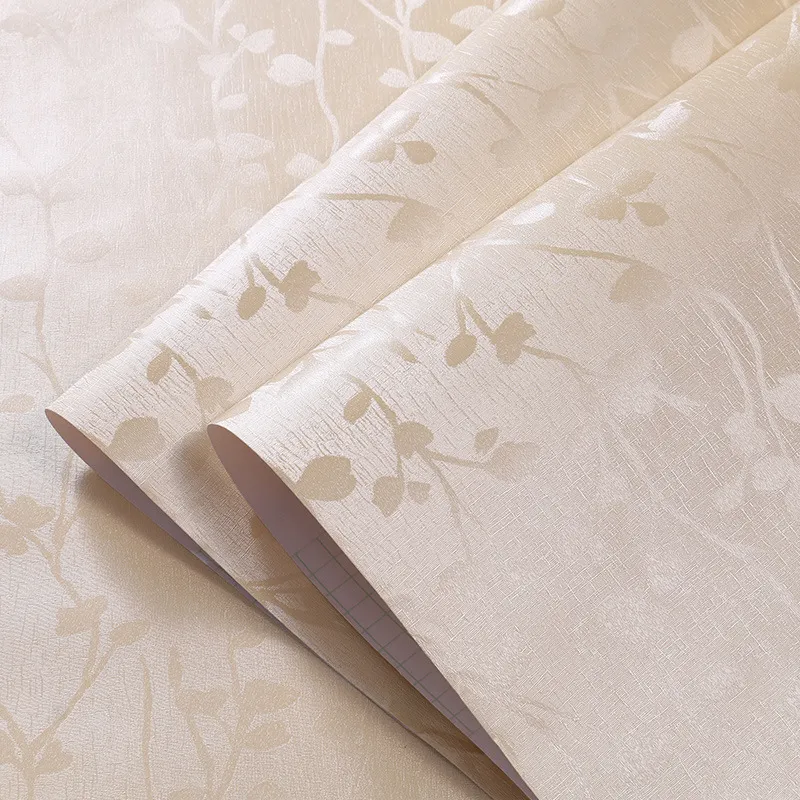
Selecting the right PVC film requires balancing appearance, performance, regulatory compliance, and supply logistics. Use this checklist during supplier conversations and sample testing.
| Buying Factor | What to Ask | Why It Matters |
|---|---|---|
| Samples & testing | Request finished samples & physical testing data | Verify color match, adhesion, abrasion resistance |
| Regulatory compliance | Ask for VOC, REACH, RoHS certificates if relevant | Ensures acceptance in strict markets and reduces recall risk |
| MOQ & lead time | Confirm minimum order quantities and typical delivery timelines | Critical for production planning and cash flow |
| Packaging & logistics | Check split-pack, labeling, and pallet standards | Reduces damage and speeds warehousing processes |
Order samples: Evaluate real-world adhesion and surface finish under the lighting and wear conditions expected in your market. For Europe, include low-VOC checks; for kitchens and bathrooms, test oil and water resistance.
Confirm print repeatability: If you require branded patterns or multiple color runs, request production proofs to ensure consistent color across batches.
Negotiate split-packaging: Smaller, labeled rolls reduce waste for end-users and improve retail appeal—especially important for renovation retailers in regions with many small contractors.
Q: Can PVC film be used outdoors?
A: Standard PVC film can degrade under prolonged UV exposure; choose UV-stabilized or exterior-grade films for long-term outdoor use.
Q: Is PVC film food-safe?
A: Only specific food-contact PVC films meet hygiene and migration standards—confirm certifications before using for food packaging.
Q: How durable are textured finishes?
A: High-quality embossed films provide excellent scratch resistance and tactile appeal when produced on calibrated calendering lines.
Pulivk operates full in-house production—calendering, printing, and split-packaging—allowing tight quality control, flexible OEM options, and reliable export experience to Southeast Asia, the Middle East, Europe, and beyond.
Choosing the right PVC film comes down to matching functional needs (thickness, barrier, adhesion) with desired finishes and regulatory requirements. Use samples and supplier transparency as your primary decision tools, and prioritize partners who offer consistent QC, split-pack convenience, and clear compliance documentation.