Address
304 North Cardinal St.
Dorchester Center, MA 02124
Work Hours
Monday to Friday: 7AM - 7PM
Weekend: 10AM - 5PM
Address
304 North Cardinal St.
Dorchester Center, MA 02124
Work Hours
Monday to Friday: 7AM - 7PM
Weekend: 10AM - 5PM


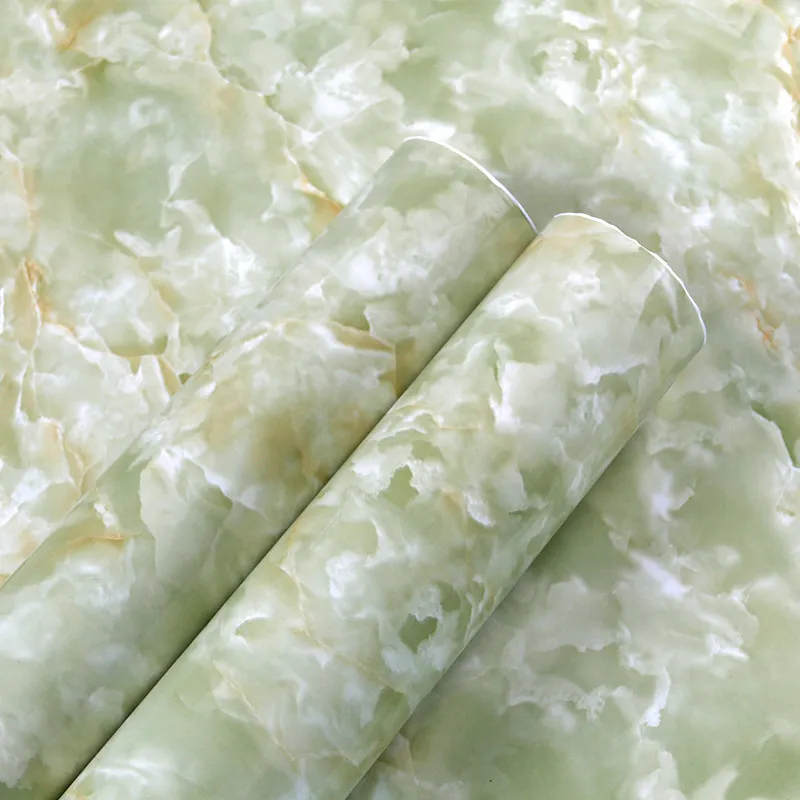
Heat insulation PVC film is a versatile, high-performance material designed to reduce heat transfer, improve energy efficiency, and protect surfaces from thermal stress. Ideal for commercial façades, residential windows, vehicles, and industrial packaging, these films combine advanced polymer science with customizable aesthetics to meet modern thermal protection needs.
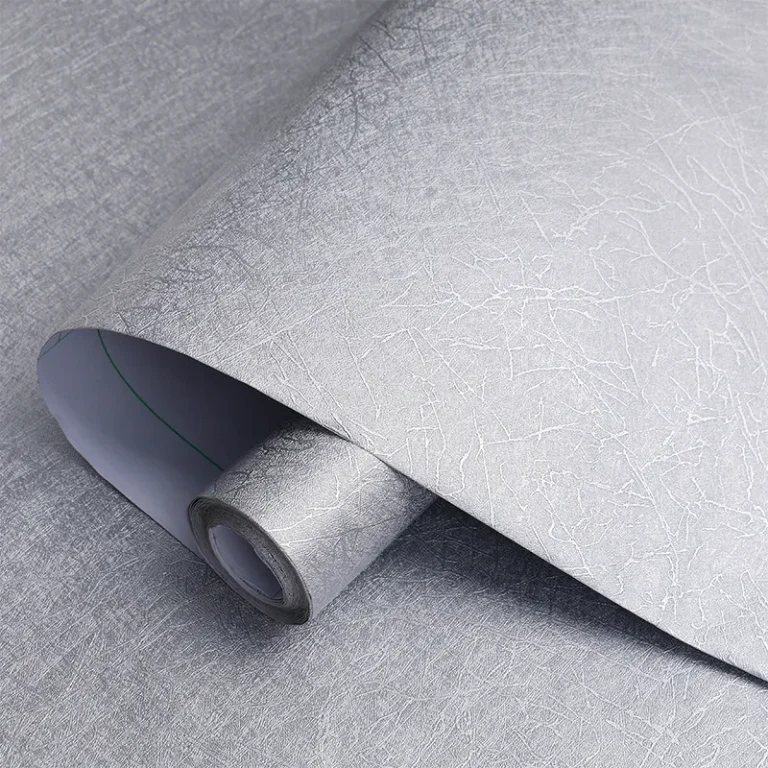
Heat insulation PVC film is a multi-layered polymer membrane engineered to reflect infrared radiation and reduce conductive heat transfer. With options for reflective coatings, metallized layers, or air-trapping textures, these films help maintain stable indoor temperatures while offering decorative finishes such as marble, wood grain, and matte surfaces.
U-value reduction: Many heat insulation PVC films can lower window U-values by reducing radiative heat gain and improving surface emissivity. Solar reflectance and thermal emissivity figures vary by film construction and coating.
| Specification | Typical Range / Benefit |
|---|---|
| Thickness | 20µm – 250µm (customizable) |
| Solar Reflectance | Up to 70% (metallized options) |
| Temperature Resistance | -20°C to 80°C operational (special grades available) |
| Finish Options | Glossy, matte, textured, marble, wood grain, metallic |
Architectural glazing – applied to windows and curtain walls to cut cooling loads in warm climates and mitigate heat loss in cold climates.
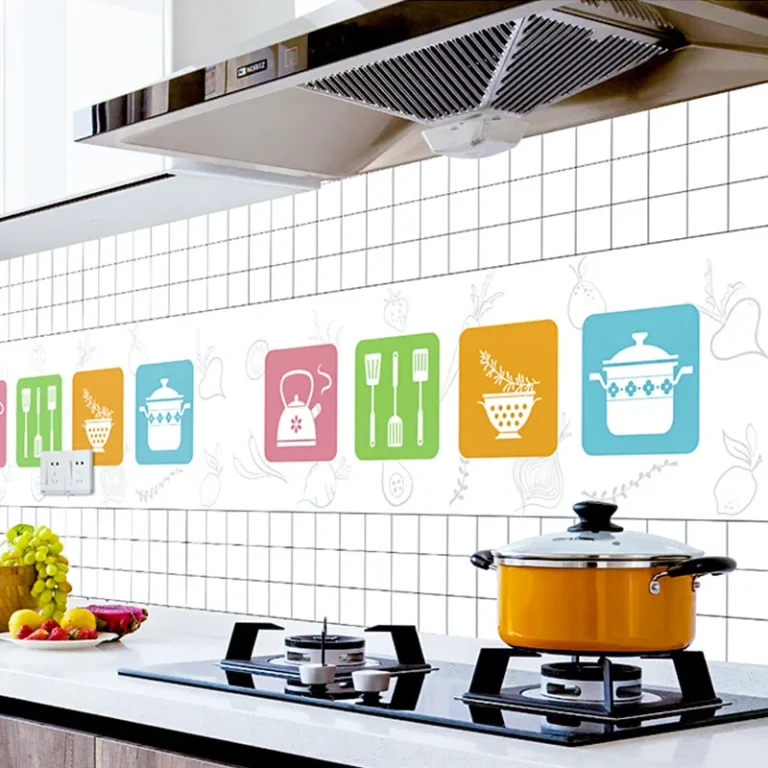
Interior surface protection – decorative insulation for cabinets, doors, and wall panels that adds thermal buffering without heavy renovation.
Automotive & transport – window films and interior linings that reduce cabin heat build-up and protect upholstery from UV damage.
Packaging & industrial – thermal barrier films for temperature-sensitive goods, insulating wraps for equipment and temporary enclosures.
In hot regions, reflectivity-focused films reduce air-conditioning costs and improve indoor comfort. In temperate or cold climates, films with low-emissivity layers help retain heat and reduce heating bills. For commercial property owners, films offer quick retrofit solutions for older glazing with poor thermal performance.
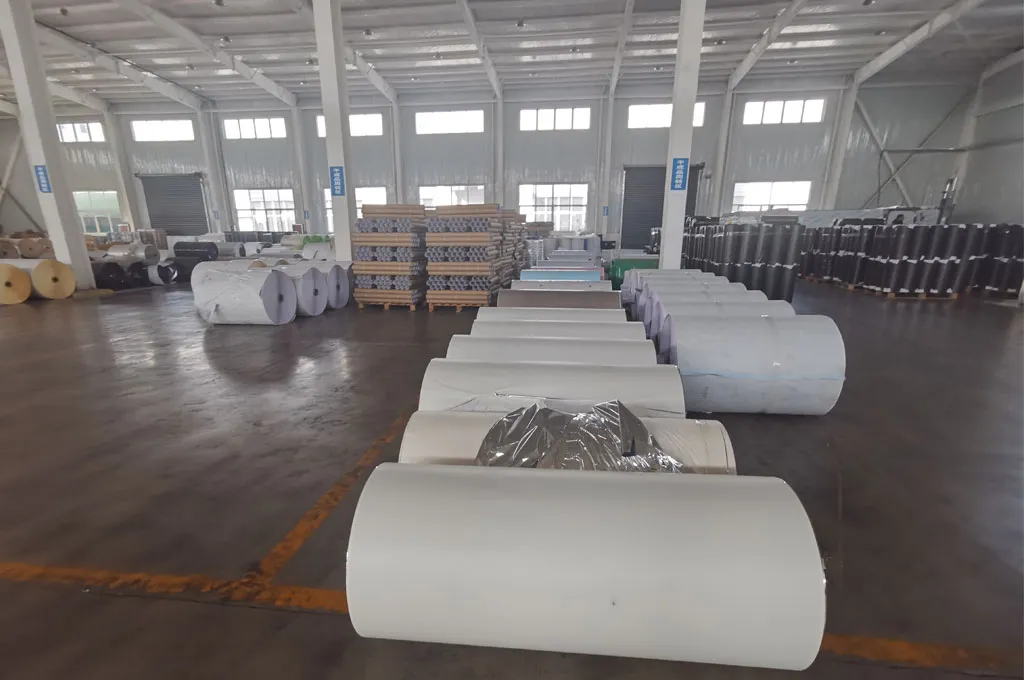
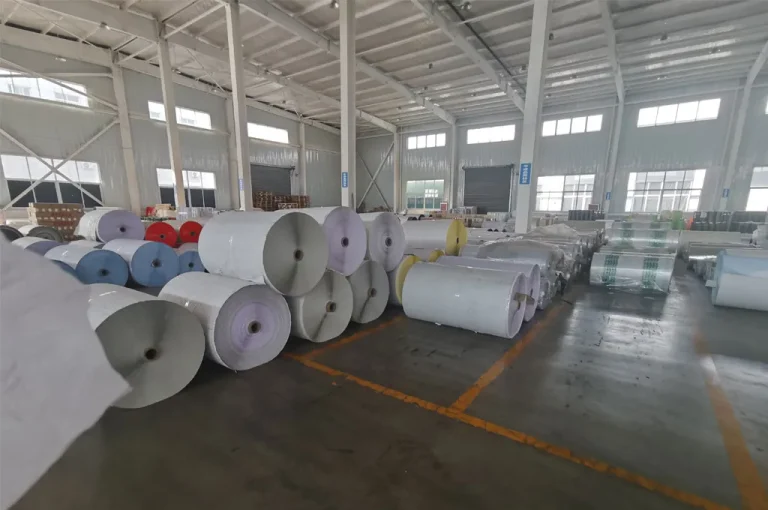
PVC film producers use multi-layer calendering, metallizing, and coated lacquer processes to tailor thermal and aesthetic properties. Manufacturers with integrated production lines achieve better quality control and faster lead times. Pulivk offers tailored sizes, prints, and finishes to meet private-label and project-specific demands.
– Thickness and layer count to tune insulation.
– Metallized or ceramic coatings to improve infrared reflectance.
– Printed patterns and textured finishes for interior design integration.
– Adhesive systems: removable, permanent, or pressure-sensitive for various substrates.
Proper surface preparation ensures long service life: clean, dry, and degrease before application. For self-adhesive films, apply with a squeegee and mild soapy water method to position and remove air pockets. Maintain with non-abrasive cleaners; avoid harsh solvents on coated surfaces.
Most high-quality heat insulation PVC films resist fading, yellowing, and cracking when installed correctly. Choose UV-stable grades for sun-exposed applications and consider protective overlaminates for high-wear areas.
Quality manufacturers follow regulatory standards for flame retardance, UV stability, and restricted substance lists (e.g., RoHS). Recyclability depends on local facilities and film composition; selecting mono-material constructions can simplify recycling pathways.
Match film grade to the project: reflective metallized films for solar control, ceramic-coated translucent films for glare reduction with visible light transmission, and thick laminated films for packaging insulation.
Heat insulation PVC film provides a cost-effective retrofit option with quick installation and multiple aesthetic choices. It balances thermal performance, surface protection, and design flexibility—making it a practical solution for building managers, vehicle upfitters, and product packagers looking to reduce energy costs and extend asset life.
Q: Can insulation PVC film be removed without damage?
A: Many self-adhesive films are removable; verify adhesive type and substrate compatibility before ordering.
Q: How long does thermal performance last?
A: With proper installation and UV-stable materials, effective performance can last 5–15 years depending on exposure.
For custom quotes and technical support, visit https://pvcfilmtec.com/ to explore product ranges and request samples. Pulivk can support OEM runs, private labeling, and tailored thermal film solutions to meet project timelines and budget constraints.