Address
304 North Cardinal St.
Dorchester Center, MA 02124
Work Hours
Monday to Friday: 7AM - 7PM
Weekend: 10AM - 5PM
Address
304 North Cardinal St.
Dorchester Center, MA 02124
Work Hours
Monday to Friday: 7AM - 7PM
Weekend: 10AM - 5PM


PVC transparent film is widely used outdoors for protective covers, signage, awnings, greenhouse panels, and vehicle wraps. Choosing a film that resists sun, rain, and temperature swings extends service life and keeps appearance intact. This guide explains the key performance factors, specification targets, and practical selection tips to help you pick durable outdoor PVC film.
Outdoor exposure accelerates degradation: UV radiation causes yellowing and loss of mechanical properties, moisture and pollutants lead to surface fouling, and heat cycles induce plasticizer migration and embrittlement. Selecting weather-resistant PVC means balancing material formulation, protective coatings, and the correct product thickness for the intended use.
UV stabilizers and antioxidants: Ensure the film formulation includes effective UV absorbers and HALS (hindered amine light stabilizers) to slow yellowing and polymer breakdown.
High-grade plasticizers: Use low-migration plasticizers for flexibility at low temperatures without rapid loss of performance.
Surface treatments and coatings: A topcoat with UV-blocking pigments or clear UV stabilizer layers significantly improves color retention and weather life.
Thickness and calendering: Thicker films (e.g., 200–800 µm depending on application) provide better tear resistance and slower weathering. Calendered production yields uniform thickness and controlled mechanical properties ideal for outdoor use.
When evaluating suppliers, check lab results for:
| Application | Thickness (µm) | Key Requirements |
|---|---|---|
| Greenhouse panels / clear covers | 200–400 | High light transmission, UV stabilizers, anti-fog |
| Awnings / canopies | 400–800 | High tensile strength, UV & weather topcoat |
| Outdoor signage / graphics | 100–300 | Dimensional stability, printable coat, UV protection |
| Car wraps / vehicle protection | 150–250 | Low plasticizer migration, conformability, anti-yellowing |
Glossy films reflect more light and may show scratches; matte or textured finishes hide imperfections better. For long-term outdoor use, a UV-stable matte topcoat can reduce visible weathering while maintaining color fidelity.
Correct mounting, avoiding creases, and edge sealing reduce stress points and water intrusion. Periodic cleaning with mild detergent prevents dirt accumulation, which can accelerate degradation. Avoid harsh solvents that strip protective coatings.
Ask for certified test reports on UV aging, color fastness, tensile performance, and examples of previous outdoor projects. Also confirm production capabilities for custom sizes, coatings, and surface treatments to match your application needs.
High-quality, UV-stabilized outdoor PVC films can last from 3 to 10+ years depending on formulation, local climate (sun intensity, salt air), and maintenance. Films with robust topcoats and proven test data offer the best long-term value.
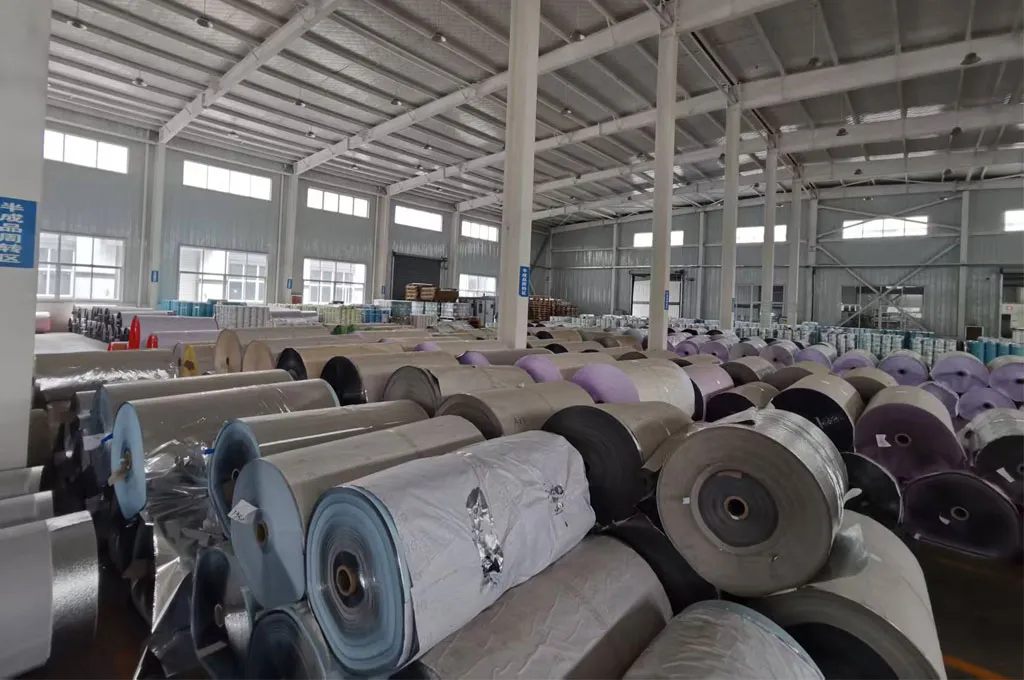
For reliable supply and tailored specs, consider a manufacturer with in-house calendering and coating capabilities to control quality across the production chain. For example: Pulivk — https://pvcfilmtec.com/