Address
304 North Cardinal St.
Dorchester Center, MA 02124
Work Hours
Monday to Friday: 7AM - 7PM
Weekend: 10AM - 5PM
Address
304 North Cardinal St.
Dorchester Center, MA 02124
Work Hours
Monday to Friday: 7AM - 7PM
Weekend: 10AM - 5PM


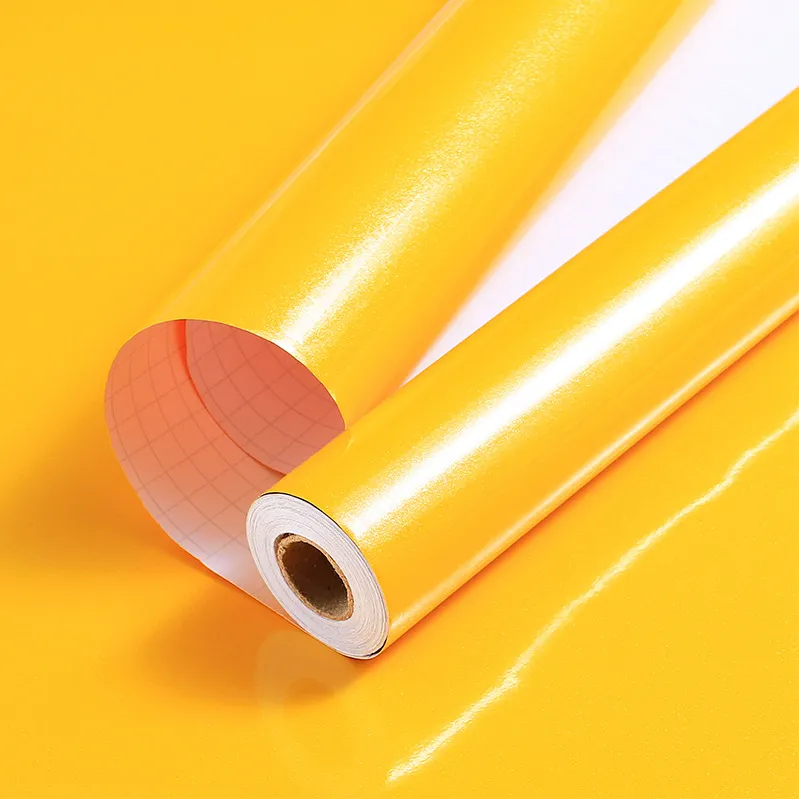
PVC film door panel lamination combines functionality and aesthetics to deliver durable, easy-to-clean, and stylish door surfaces. This step-by-step guide covers the best practices, machine settings, and quality checks you need to achieve consistent, long-lasting finishes for wardrobe, kitchen, and interior doors.
PVC film lamination provides a cost-effective way to transform plain door substrates into high-end surfaces like wood grain, marble, glossy, or matte finishes. Key benefits include enhanced scratch resistance, moisture protection, and the ability to reproduce premium textures without expensive solid materials.
Durability: laminated panels resist wear and are ideal for high-traffic interiors. Design flexibility: endless patterns and colors. Maintenance: surfaces are easy to wipe clean and keep looking new.
Inspect MDF, particleboard, or HDF door panels for flatness, moisture content, and surface contaminants. Sand any rough edges and remove dust with a tack cloth. Proper substrate prep prevents bubbling and adhesion failure.
Choose film type (glossy, matte, wood grain, marble) and thickness based on application. Cut slightly larger than the panel to allow trimming. Use pre-printed or digitally printed PVC film for custom designs.
Match film flexibility to panel curvature — thinner films conform better to routed edges and profiles.
Apply a high-quality EVA or PUR adhesive compatible with PVC film. Maintain even coating to avoid dry spots. For PUR adhesive, ensure correct mixing and temperature control to prevent premature curing.
Preheat both film and panel to the recommended temperature to improve tack and reduce trapped air. Align the film carefully, then pass the assembly through heated rollers or a vacuum press. Apply steady pressure and controlled speed to ensure full contact.
| Parameter | Recommended Range |
|---|---|
| Film Temperature | 20–30°C (room temp) before preheat |
| Preheat Roller Temp | 40–80°C (depending on adhesive) |
| Lamination Pressure | 2–6 MPa (roller press settings) |
| Line Speed | 1–8 m/min (adjust for panel size) |
| Cooling Time | 5–15 minutes before trimming |
Allow cooled stabilization to prevent film lifting when trimming. Use sharp trimming knives or CNC routers with appropriate feeds to achieve clean edges and seamless joints. For profiled edges, heat-gun edge wrapping may be necessary.
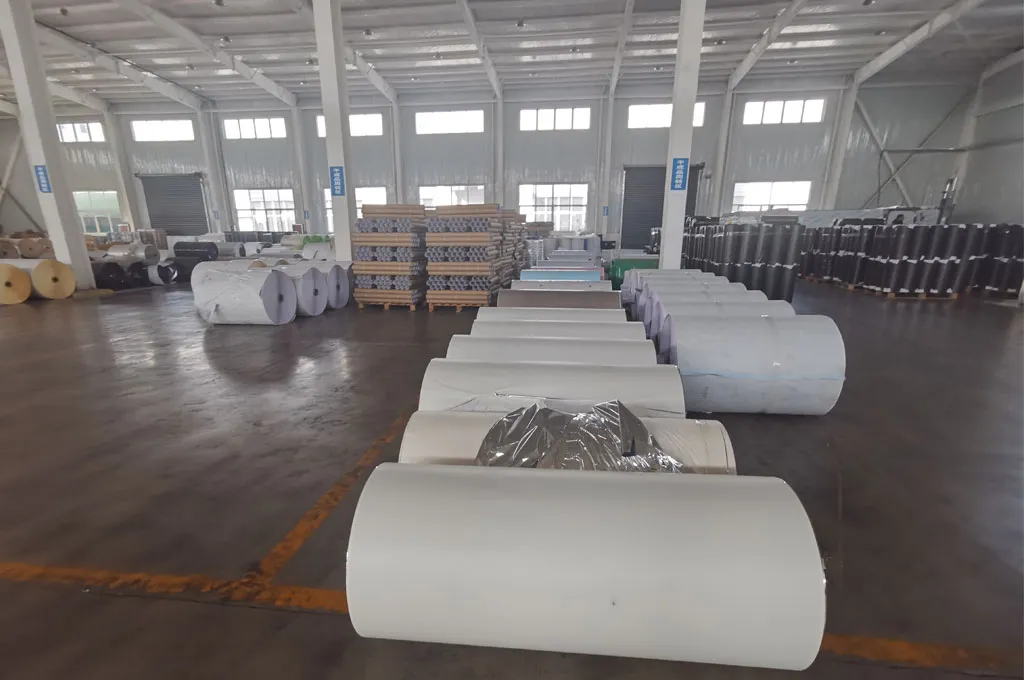
Inspect for bubbles, wrinkles, delamination, and color consistency. Perform adhesion tests and scratch resistance checks. If needed, perform light buffing or apply protective lacquer for extra wear resistance.
Bubbling: usually caused by trapped air or insufficient pressure — try slower lamination speed and additional preheating. Delamination: check adhesive compatibility and curing conditions. Edge lifting: ensure full wrap with adequate adhesive coverage and post-press cooling.
Ensure every panel passes flatness, adhesion, visual finish, and edge integrity checks. Batch sampling for environmental tests (moisture and heat resistance) helps maintain consistent quality across orders.
Use high-resolution prints for realistic textures, apply UV-resistant coatings in sunny climates, and select film grades matched to door use (e.g., higher scratch resistance for kitchens). Regularly calibrate lamination equipment and record process parameters for reproducibility.
If you need full in-house production support, flexible OEM options, or split-packaging for easier logistics, Pulivk (https://pvcfilmtec.com/) offers calendering, printing, and split-packaging lines to control quality and costs from raw material to finished rolls.
A reliable lamination workflow combines careful surface preparation, correct adhesive choice, controlled temperature and pressure, and thorough QC. Follow these steps to deliver PVC film door panels that are both durable and visually appealing.