Address
304 North Cardinal St.
Dorchester Center, MA 02124
Work Hours
Monday to Friday: 7AM - 7PM
Weekend: 10AM - 5PM
Address
304 North Cardinal St.
Dorchester Center, MA 02124
Work Hours
Monday to Friday: 7AM - 7PM
Weekend: 10AM - 5PM


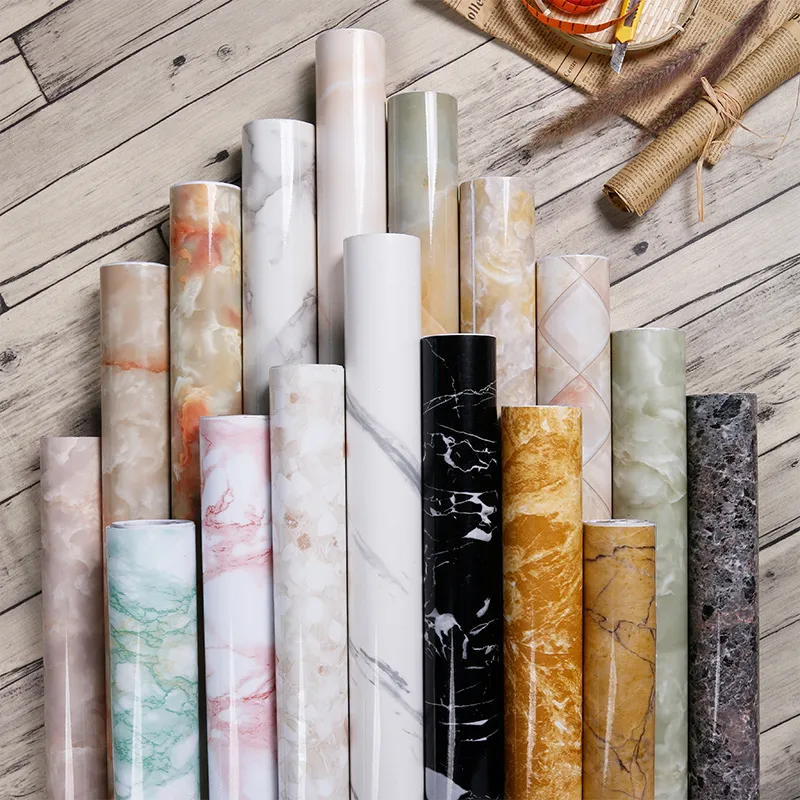
The term “explosion-proof film” refers to a specialized protective film designed to contain shattered glass and resist tearing during impact, fire, or blast events. Widely used on windows, doors, and glazed surfaces, this film enhances occupant safety by reducing flying glass hazards, improving structural resilience, and slowing the ingress of smoke and debris after an incident. This guide explains how explosion-proof film works, common applications, performance considerations, and practical buying and installation tips for building owners, architects, and safety managers.
Explosion-proof film is typically a multi-layer laminate made from high-strength polymers like polyester (PET) with specialty adhesives and interlayers. When bonded to glass, the film holds fragments together after breakage. The film’s tensile strength and adhesive quality determine how effectively it will keep shards in place and reduce the risk of injury or secondary damage. Some variants include reinforced scrim or metallic layers to improve blast resistance and thermal protection.
Energy absorption: The film dissipates impact energy, lowering stress on the glazing frame. Fragment retention: Adhesive layers prevent glass from becoming projectiles. Progressive failure: Instead of catastrophic glass ejection, the film allows controlled, slower breakage.
Explosion-proof film is used across commercial, public, and residential settings. Key uses include storefront glazing, school and hospital windows, high-rise building facades, government buildings, museums, and transport hubs. Benefits include:
Enhanced occupant safety: Reduces injuries from glass shards after impacts or blasts.
Cost-effective retrofitting: Film can be applied to existing windows without full glass replacement, making it an economical upgrade.
Improved security and privacy: Some films offer decorative or tinted finishes that also deter break-ins and reduce visibility into interiors.
Beyond safety, building managers appreciate faster installation times, lower disruption, and the ability to layer additional properties such as UV protection, anti-graffiti coatings, and solar control. For many facilities, the film is a pragmatic way to meet updated safety codes and risk mitigation policies without major construction.
When selecting explosion-proof film, focus on measurable properties: tensile strength, tear resistance, thickness (microns), adhesive shear strength, and certification to industry standards. The table below highlights typical ranges and what they imply for performance.
| Specification | Typical Range | Performance Implication |
|---|---|---|
| Thickness | 100–250 microns | Thicker films increase blast resistance and fragment retention. |
| Tensile Strength | 30–220 MPa | Higher values mean better energy absorption and tear resistance. |
| Adhesive Shear | Moderate to high | Ensures the film remains bonded under stress and temperature variations. |
| Fire & Smoke Rating | Dependent on interlayer | Some films slow flame spread; check specific certifications. |
Look for products tested to recognized standards such as ANSI Z97.1 (U.S.), EN 12600 (Europe), or local blast and impact test protocols. Independent lab testing for blast pressure, missile impact, and adhesion under environmental cycling provides objective performance insight. Certificates and lab reports should be requested before purchase to align expectations with real-world performance.
High-quality explosion-proof film should resist UV degradation, maintain adhesion through temperature swings, and tolerate routine cleaning. For coastal or high-humidity climates, confirm the adhesive and backing materials are corrosion- and moisture-resistant.
Installation quality strongly influences performance. Key steps include professional surface cleaning, precise film trimming, correct adhesive activation, and careful edge finishing. For blast-rated applications, consider mechanical retention systems and certified installers who can document the installation for compliance records.
Clean with mild detergents and non-abrasive cloths to prevent scratching. Inspect seams and edges annually for peeling or bubbling. Replace film if adhesive failure or significant damage is observed. Proper maintenance extends service life and ensures continued safety performance.
While high-performance explosion-proof film is an investment, it is typically less costly than full glass replacement or installing laminated safety glazing. Consider the ROI in terms of reduced injury risk, lower liability exposure, improved business continuity, and preserved interior assets following an incident.
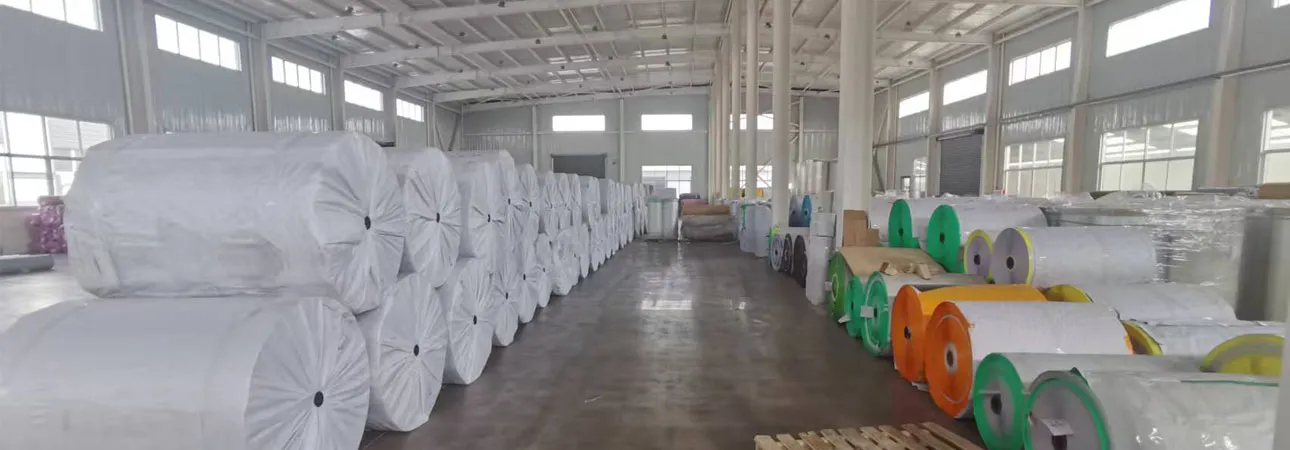
Select manufacturers with in-house production capability and proven export experience so they can deliver consistent quality and reliable lead times. A supplier who supports OEM customization and multiple QC checkpoints can help tailor films for specific project needs and help reduce costs through optimized material choices.
Pulivk (Henan Pulivk New Materials Co., Ltd.) operates full in-house production with calendering and printing lines, offering OEM customization, strict QC, and global export experience—making them a typical example of a supplier that can support large-scale projects and tailored safety films.
Before you buy, verify: lab certifications, recommended installation method, warranty terms, expected service life, and whether the supplier provides field support or certified installers. Request samples and test reports and compare long-term performance rather than just upfront price.
Explosion-proof film is a versatile, cost-effective measure to improve safety for glazed areas. When specified and installed correctly, it reduces injuries, limits damage, and helps buildings meet modern risk-management requirements. For any high-risk facility, pairing film selection with professional installation and routine maintenance delivers the best protection.