Address
304 North Cardinal St.
Dorchester Center, MA 02124
Work Hours
Monday to Friday: 7AM - 7PM
Weekend: 10AM - 5PM
Address
304 North Cardinal St.
Dorchester Center, MA 02124
Work Hours
Monday to Friday: 7AM - 7PM
Weekend: 10AM - 5PM


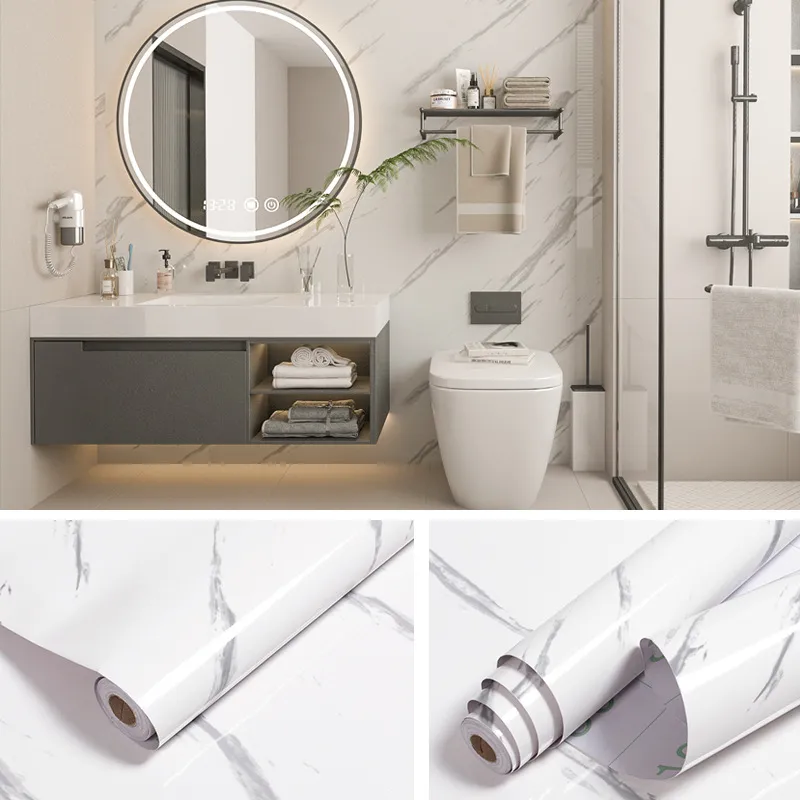
Choosing the right stabilizer for PVC film is crucial for product performance, processing efficiency, and regulatory compliance. This guide explains the main stabilizer types used in PVC film production, how they work, and which applications each suits best—helpful for manufacturers, product engineers, and buyers looking to optimize durability, appearance, and cost.
Stabilizers are chemical additives that protect polyvinyl chloride (PVC) from thermal degradation and discoloration during processing and service life. Proper stabilization prevents HCl release, reduces chain scission, and maintains color and mechanical properties for films used in decorative, flooring, packaging, and adhesive applications.
Processing conditions (calendering, printing, lamination), end-use (food contact, decorative surfaces), and desired aesthetics (gloss, transparency, no-yellowing) determine the optimal stabilizer system. Migration, cost, and regional regulations (e.g., food-contact approvals) are also key selection factors.
Ca-Zn systems use calcium and zinc soaps (often stearates) and are the most common lead-free option. They provide good thermal stability, low toxicity, and acceptable clarity for many film grades. Ideal for food packaging, wall/floor films, and general decorative films where regulatory compliance is required.
Organotin stabilizers (typically mono- and di-organotin mercaptides or carboxylates) deliver excellent heat stability, high transparency, and strong anti-yellowing performance—making them a popular choice for clear, glossy films and high-end printed surfaces. They can be more expensive and may have regulatory limits in certain markets.
Mixed-metal systems (e.g., Ba/Cd historically) and barium-containing stabilizers were effective but have fallen out of favor because of toxicity concerns. Today, mixed systems in specialized formulations may be tailored for specific processing challenges, but many manufacturers opt for Ca-Zn or organotin replacements.
Organic stabilizers include epoxidized natural oils (e.g., epoxidized soybean oil), phosphites, and other organic processing aids. These are often used as co-stabilizers to provide secondary protection, improve processability, and reduce migration of metal ions—especially in flexible film formulations.
For outdoor or UV-exposed PVC films (e.g., exterior cladding films, automotive wraps), HALS and UV absorbers (benzotriazoles, benzophenones) protect against photodegradation and color fading. They are frequently combined with thermal stabilizers to extend service life under sunlight.
Antioxidants (phenolic and phosphite types) are used to inhibit oxidative degradation during high-temperature processing. They complement thermal stabilizers to keep film properties consistent during calendering, extrusion, and lamination.
| Stabilizer Type | Key Benefits | Common Film Applications | Regulatory Note |
|---|---|---|---|
| Calcium-Zinc (Ca-Zn) | Non-toxic, cost-effective, good thermal stability | Food-contact films, flooring, decorative films | Widely accepted in EU/US for food-grade uses |
| Organotin | Excellent clarity, anti-yellowing, processing window | High-gloss furniture, wardrobe films, clear laminates | Restricted in some regions; check local limits |
| Epoxidized Oils & Organic | Good co-stabilization, reduced migration | Flexible films, adhesive-based products | Often used to meet food-contact requirements |
| HALS / UV Absorbers | Protects from UV degradation and fading | Exterior films, automotive, signage | Used as additive package for outdoor durability |
Consider these factors: processing temperature and method (calendering vs extrusion), transparency requirements, regulatory/food-contact constraints, expected service environment (indoor vs outdoor), and cost targets. Combining a primary stabilizer (metal soap or organotin) with co-stabilizers (epoxidized oils, antioxidants, UV additives) often gives the best balance of performance and longevity.
Test formulations under real processing temperatures and printing/lamination steps. Monitor yellowness index, haze, and tensile properties after aging. For global supply chains, choose stabilizers with clear documentation for compliance in target export markets.
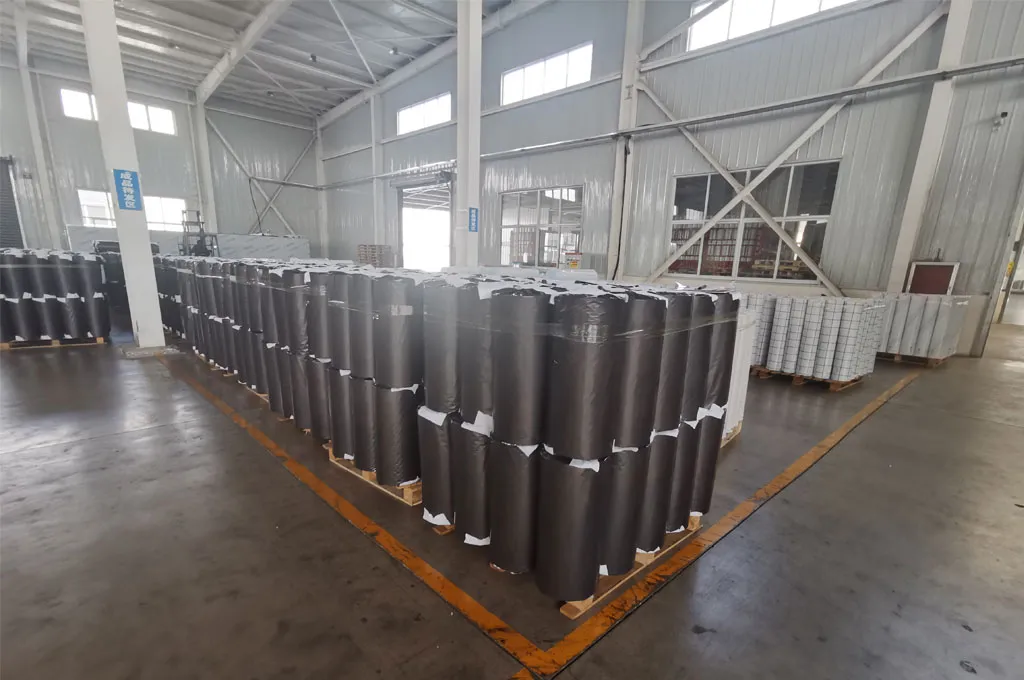
Pulivk offers in-house production and tailored PVC film solutions—from calendering and printing to split-packaging—enabling close control of additive systems, consistent quality, and reliable lead times for decorative, flooring, and packaging films.
There is no one-size-fits-all stabilizer. Prioritize safety and regulatory compliance for consumer and food-contact films, and balance cost vs performance for decorative and construction applications. Proper stabilizer selection and testing will extend product life, improve appearance, and reduce production issues during calendering and printing.