Address
304 North Cardinal St.
Dorchester Center, MA 02124
Work Hours
Monday to Friday: 7AM - 7PM
Weekend: 10AM - 5PM
Address
304 North Cardinal St.
Dorchester Center, MA 02124
Work Hours
Monday to Friday: 7AM - 7PM
Weekend: 10AM - 5PM


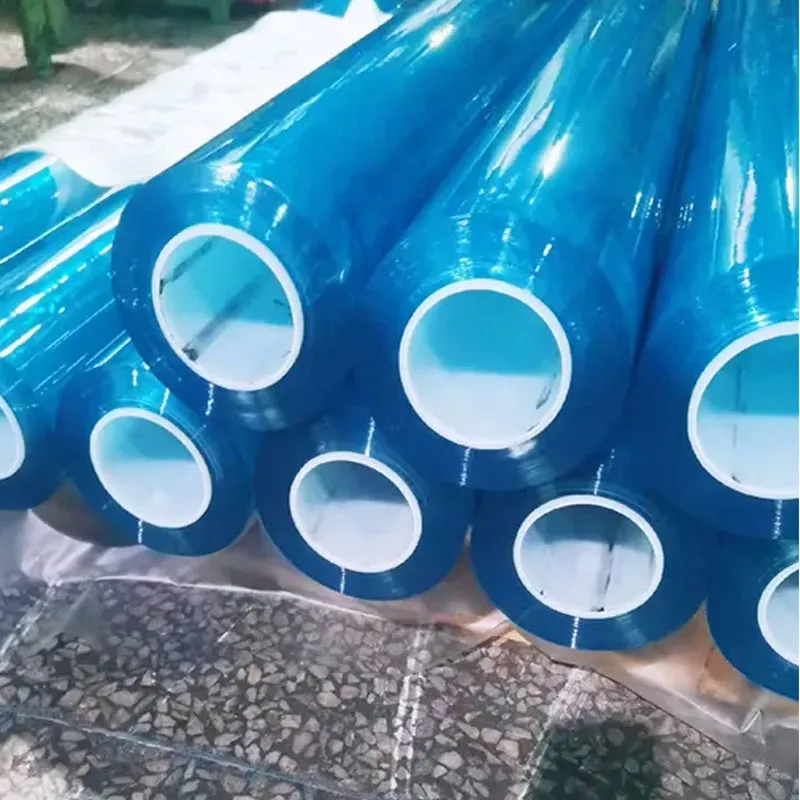
Industrial PVC film is a versatile, cost-effective material used across manufacturing, construction, packaging, and design. Its durability, customizable finishes, and wide range of physical properties make it a popular choice for businesses looking to combine performance with aesthetic flexibility. This guide covers common applications, measurable benefits, and practical advice for selecting the right PVC film for industrial projects.
PVC films are engineered for multiple industry uses thanks to their customizable thickness, surface texture, and printability. Typical applications include:
Manufacturers and contractors across these sectors often choose PVC film:
PVC film delivers measurable advantages that support both product performance and cost management:
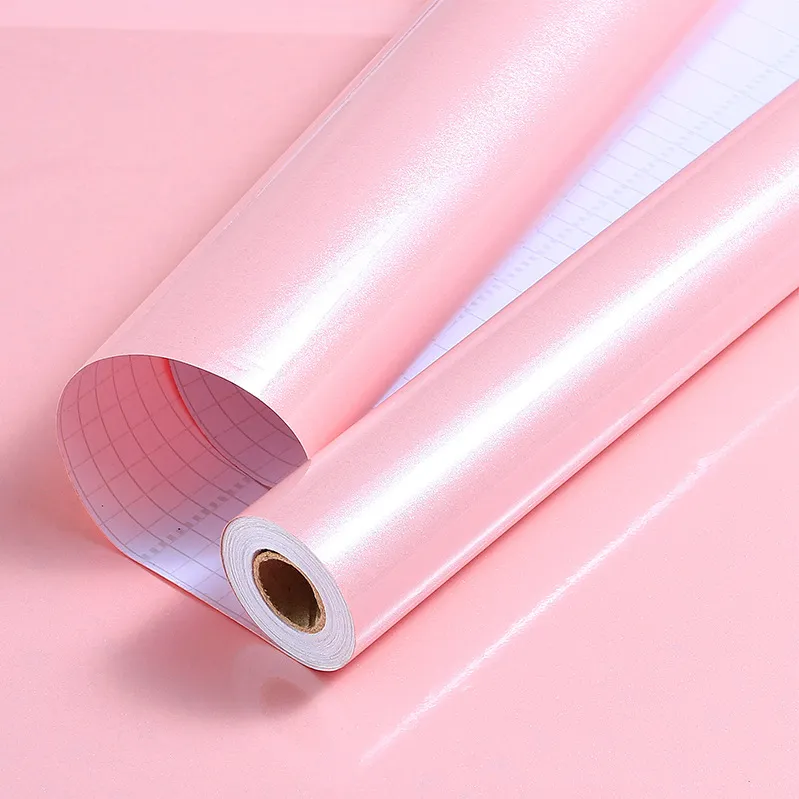
| Property | Common Range | Notes |
|---|---|---|
| Thickness | 50–500 μm | Thin films for packaging; thicker for surface protection and laminates. |
| Width | 300–1600 mm | Custom slitting and split-packaging available. |
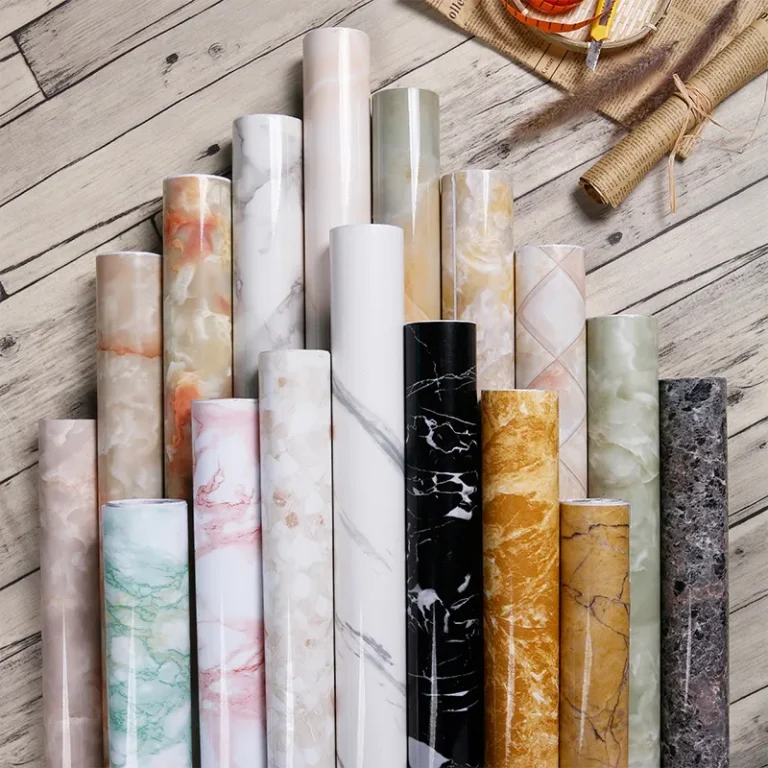
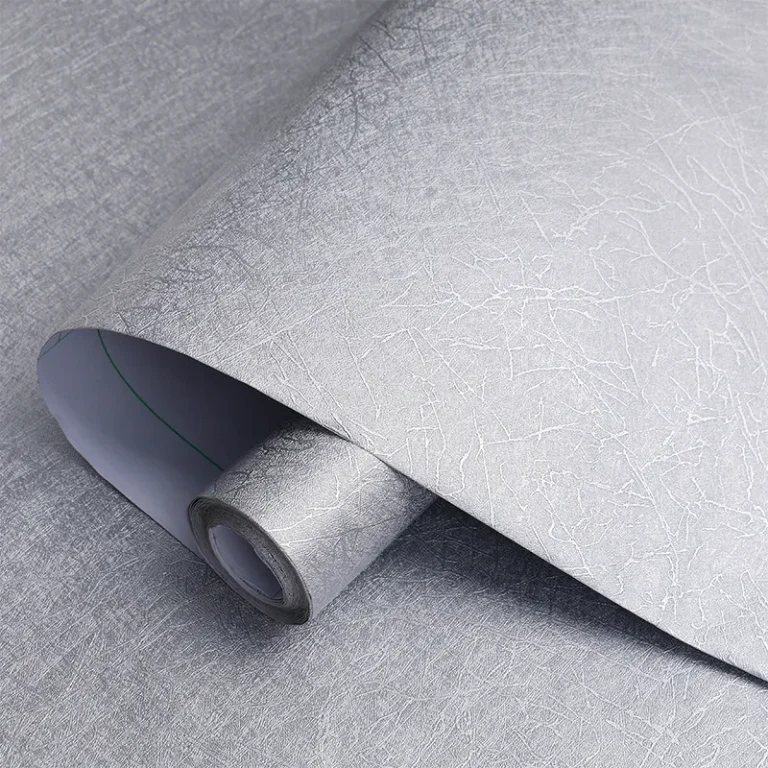
| Finishes | Glossy, matte, wood grain, marble, 3D silk | Selectable for aesthetic or functional needs. |
| Functional Additives | Antistatic, antibacterial, oil-proof | Enhances use in electronics, healthcare, and kitchens. |
| Adhesion | Self-adhesive / Heat-activated | Helps rapid installation or permanent bonding options. |
To achieve long-lasting results with PVC film:
When sourcing industrial PVC film, request documentation on:
– For decorative cabinetry: choose a durable glossy or wood-grain film with UV-stable printing.
– For kitchen surfaces: pick oil-proof and anti-bacterial finishes with good adhesion.
– For packaging: select thin, printable films with controlled moisture barrier properties.
Is PVC film recyclable? Many PVC films can be recycled through appropriate recycling streams; confirm local capabilities and any additives that affect recyclability.
Can PVC film be printed? Yes. High-quality digital and gravure printing are common for branding and patterns.
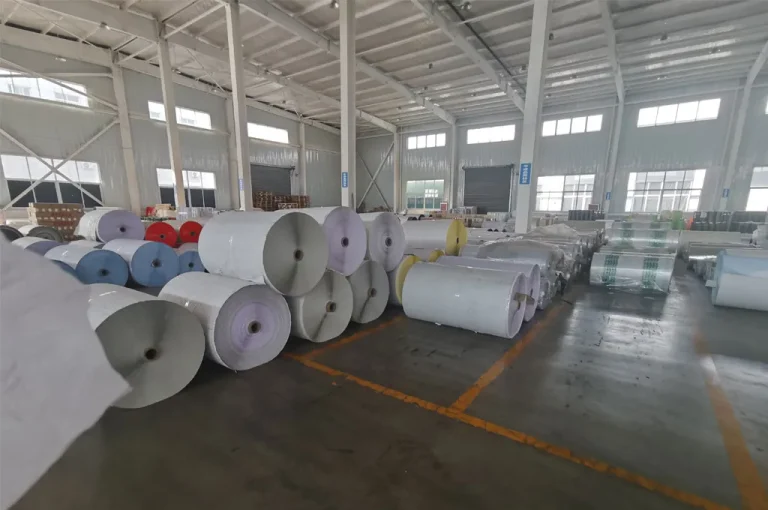
For reliable industrial PVC film supply, Pulivk offers full in-house production—from calendering and printing to split-packaging—enabling consistent quality, OEM flexibility, and competitive lead times.