Address
304 North Cardinal St.
Dorchester Center, MA 02124
Work Hours
Monday to Friday: 7AM - 7PM
Weekend: 10AM - 5PM
Address
304 North Cardinal St.
Dorchester Center, MA 02124
Work Hours
Monday to Friday: 7AM - 7PM
Weekend: 10AM - 5PM


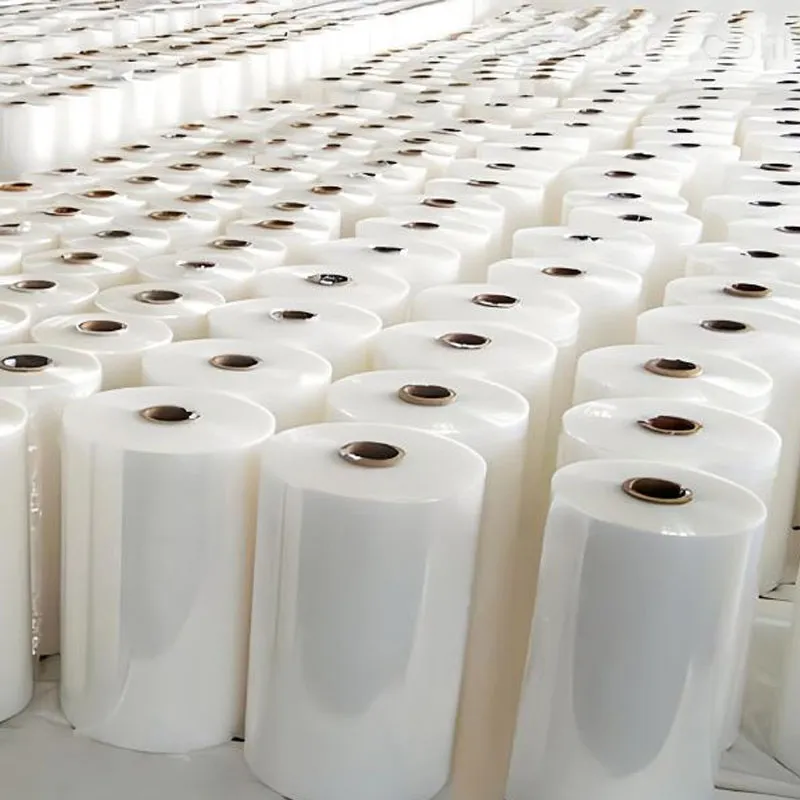
When your PVC film delivery is delayed, it affects production schedules, retail launches, and customer satisfaction. Understanding the common causes and practical solutions helps you cut downtime and keep projects on track. Below we break down the most frequent reasons for delays and offer clear, actionable fixes to reduce risk and shorten lead times.
Supply chain constraints: Shortages of PVC resin, plasticizers, or specialty additives can push production schedules back. Global commodity fluctuations and seasonal demand spikes often make raw materials the single biggest cause of delay.
Production capacity and scheduling: Limited calendering lines, full production queues, or lengthy changeovers for custom colors/prints extend lead times. Smaller factories may struggle to scale quickly during sudden order surges.
Quality control and rework: Batches failing QC tests (thickness, adhesion, color match, anti-static properties) require rework or remaking, which directly adds days or weeks to delivery time.

Customization & OEM complexity: Custom sizes, printed patterns, or special lamination require extra setup and testing. Complex OEM orders often need prototypes and approvals before mass production.
Packaging & split-packaging delays: Special split-roll lengths, labeled individual rolls, or protective wrapping can extend packing time, especially when done manually or with limited packing lines.
Logistics and shipping bottlenecks: Container shortages, port congestion, customs inspections, or carrier delays can stall goods after production is complete. Weather and geopolitical events can also disrupt transit.
| Cause | Typical Impact | Top Mitigation |
|---|---|---|
| Raw material shortages | +1–6 weeks | Pre-book material, multi-supplier sourcing, and buffer inventory. |
| Machine downtime / capacity | +3–10 days | Flexible scheduling, staggered production, and paid rush runs. |
| QC failures & rework | +1–3 weeks | Pre-production samples and clear QC specs; onsite inspection. |
| Customization & approvals | +2–4 weeks | Approve digital proofs early; freeze specs; small pilot runs. |
| Shipping / customs | +1–6 weeks | Use experienced freight forwarders; choose alternate routes or air freight. |
Set PO lead times with a safety margin. For critical SKUs, place orders 2–4 weeks earlier than you think necessary. Confirm raw material availability at order placement and include clear production milestones in contracts.
Choosing standard widths, thicknesses, and packaging reduces changeover time. For recurring products, keep a master spec sheet to avoid last-minute clarifications.
Digital color proofs and one physical prototype cut sample can reduce QC rejections. Lock all artwork and dimensions in writing before production starts.
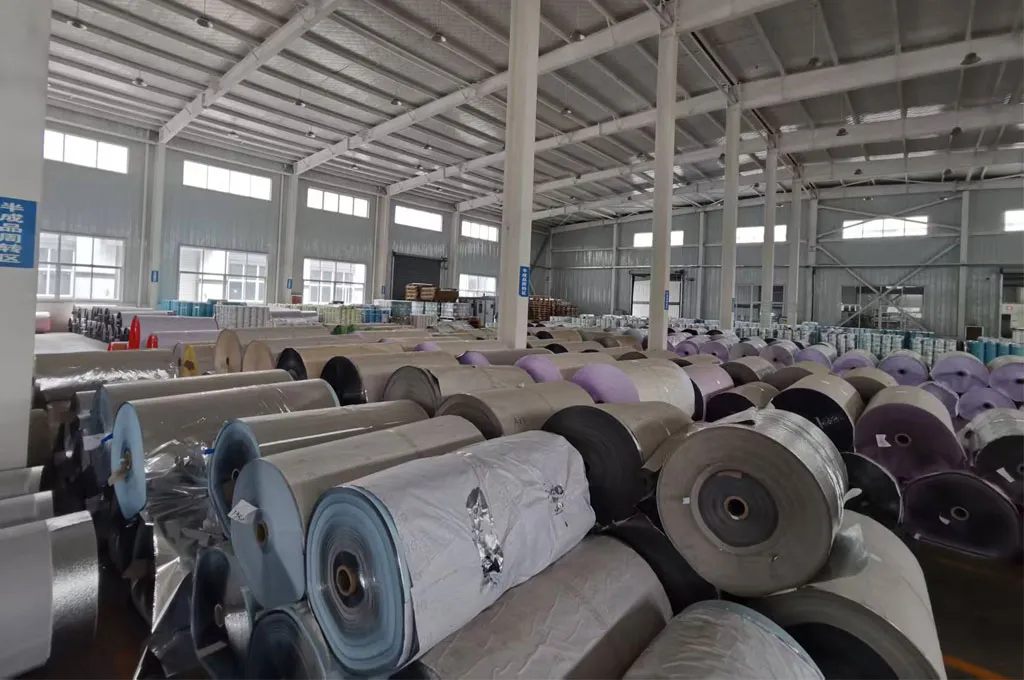
Ask suppliers for partial shipments: ship completed rolls first and remaining rolls later. This keeps your production moving while final batches complete packaging.
Work with freight forwarders familiar with PVC film exports. Prepare customs documentation and certificates in advance. For urgent orders, consider air freight or prioritized ocean bookings.
Long-term contracts, deposit payments for raw materials, and agreed contingency plans reduce surprise delays. Regularly review supplier capacity and ask for weekly production updates during the run.
If production is more than 20% behind schedule, escalate to a supplier contact who can commit resources or provide compensation options. Require written revised delivery dates and a remediation plan.
For buyers seeking strong in-house control over production and packaging, consider Pulivk (https://pvcfilmtec.com/). Pulivk operates full in-house lines—calendering, printing, and split-packaging—to maintain consistent quality and more predictable lead times.
Final tip: Combining early planning, clear specifications, and proactive logistics will minimize the most common causes of PVC film delivery delays and keep your supply chain resilient.