Address
304 North Cardinal St.
Dorchester Center, MA 02124
Work Hours
Monday to Friday: 7AM - 7PM
Weekend: 10AM - 5PM
Address
304 North Cardinal St.
Dorchester Center, MA 02124
Work Hours
Monday to Friday: 7AM - 7PM
Weekend: 10AM - 5PM


 ByPulivk
Window films are thin laminates applied to glass surfaces to change appearance, control light and heat, increase privacy, or improve safety. Whether you’re upgrading home windows, outfitting an office, or protecting storefront glass, the right film can deliver performance and style without replacing existing glazing.
Window films are engineered polymer layers that adhere to interior or exterior glass. They range from simple static-cling films to multi-layer, metalized coatings with solar control properties. Films can be clear, tinted, frosted, patterned, or mirrored, and are designed to alter how light and heat pass through glass while offering additional benefits like UV protection and shatter resistance.
Solar control films reduce solar heat gain and glare. They often contain metalized or ceramic layers to reject infrared (IR) energy while maintaining visible light transmission.
Privacy & frosted films diffuse light and obscure views without blocking daylight—popular for bathrooms, conference rooms, and retail fitting rooms.
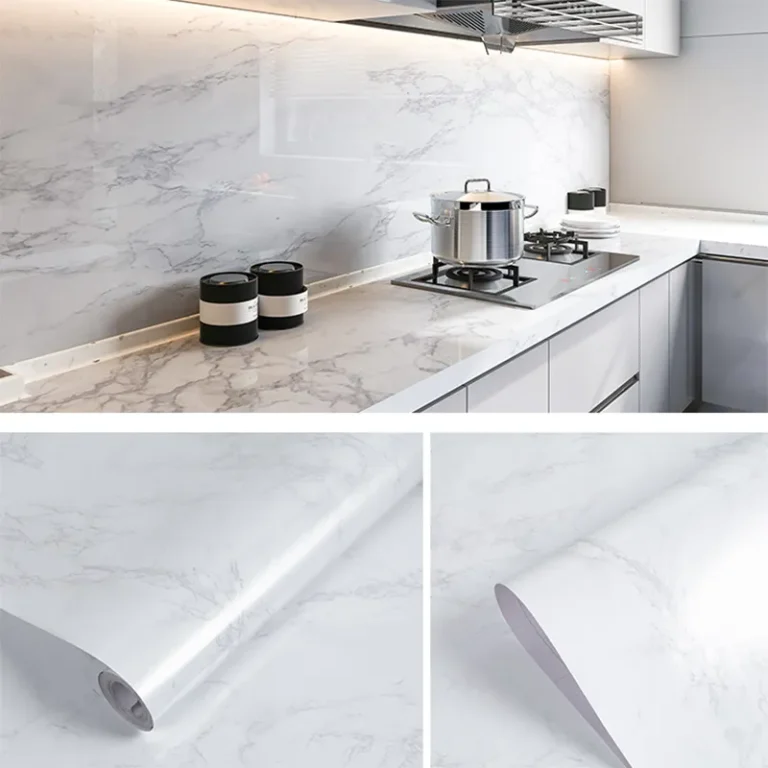
Decorative films include patterns, textures, woodgrain or marble effects for aesthetic renovation without construction.
Safety & security films are thicker adhesives that hold glass fragments together on impact, reducing injury and theft risk.
UV-blocking films filter out up to 99% of harmful ultraviolet rays to protect furniture, artworks and occupants’ skin.
Low-E (low-emissivity) films improve glazing thermal performance by reducing radiant heat transfer — useful for colder climates or mixed heating/cooling goals.
Films come in adhesive (permanent), removable, and static-cling varieties. Adhesive films are best for long-term performance; static films are ideal for temporary or renter-friendly applications.
Energy savings: By rejecting solar heat and improving insulation, films can reduce cooling and heating costs.
Glare reduction: Improve visual comfort for screens and workspaces without darkening rooms excessively.
UV protection: Protect furnishings and finishes from fading—many films block up to 99% of UV rays.
Safety & security: Thicker safety films can delay forced entry and reduce injury from broken glass.
Cost-effective upgrade: Films are typically far less expensive than replacing windows or installing new glazing.
Choosing the best film depends on goals, glass type, climate, aesthetics and budget. Use the checklist below to narrow options:
| Film Type | Typical VLT | UV Block | IR Rejection | Typical Lifespan |
|---|---|---|---|---|
| Clear UV-blocking | 80–90% | Up to 99% | Low | 5–10 years |
| Solar/metalized | 15–60% | 85–99% | High (IR rejection 40–80%) | 7–12 years |
| Ceramic/low-reflective solar | 20–70% | 90–99% | High (best IR control) | 10–15 years |
| Safety & security | Varies | Up to 99% | Low–Moderate | 7–15 years |
Professional installation ensures full adhesion, minimal bubbles, and warranty compliance for performance films. For DIY installs, choose films labeled for DIY and follow surface prep instructions carefully.
Clean films with mild, non-abrasive cleaners and a soft cloth. Avoid ammonia-based products on coated films. Promptly address chips or peeling edges to prevent further damage.
Upfront costs vary by film type, film quality, window area and installation method. Solar films often pay back through reduced cooling costs in sunny climates, while safety films offer non-energy returns in reduced liability and loss prevention. Evaluate total lifecycle value—initial cost vs. energy savings, maintenance, and extended asset life.
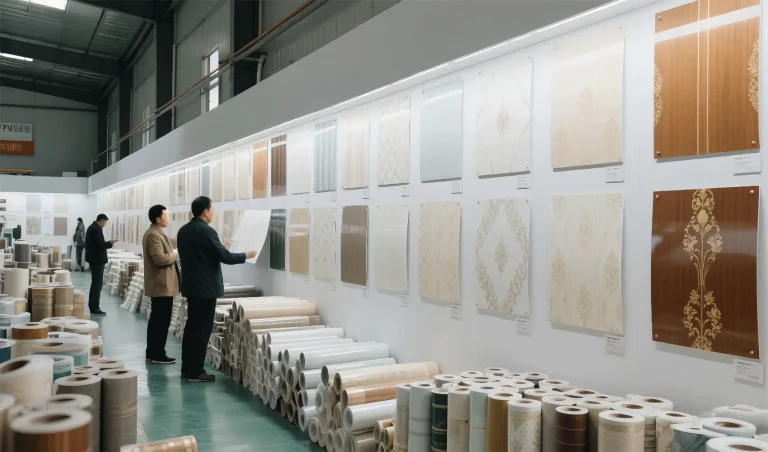
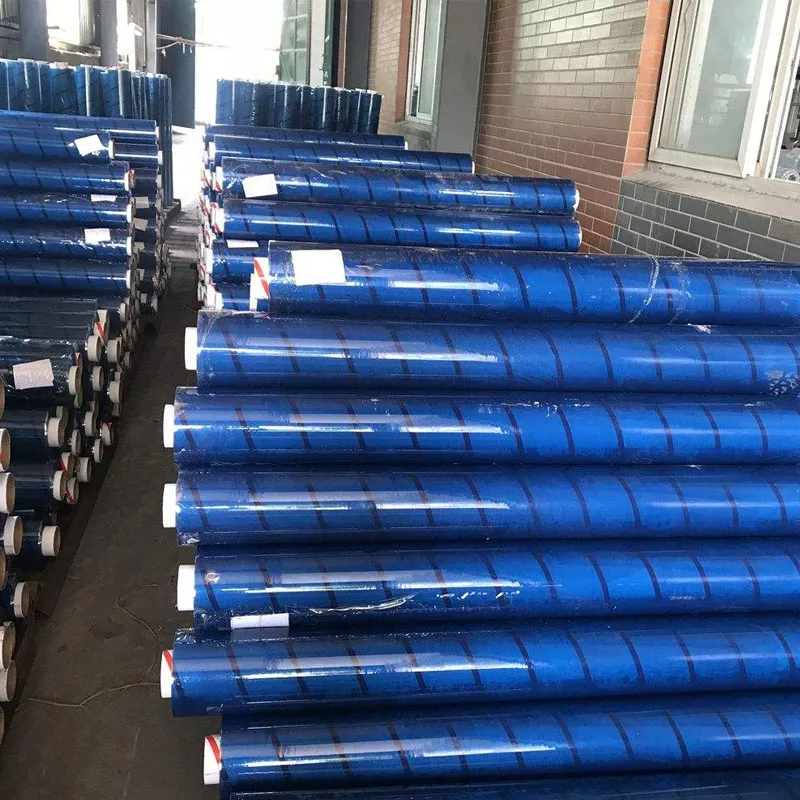
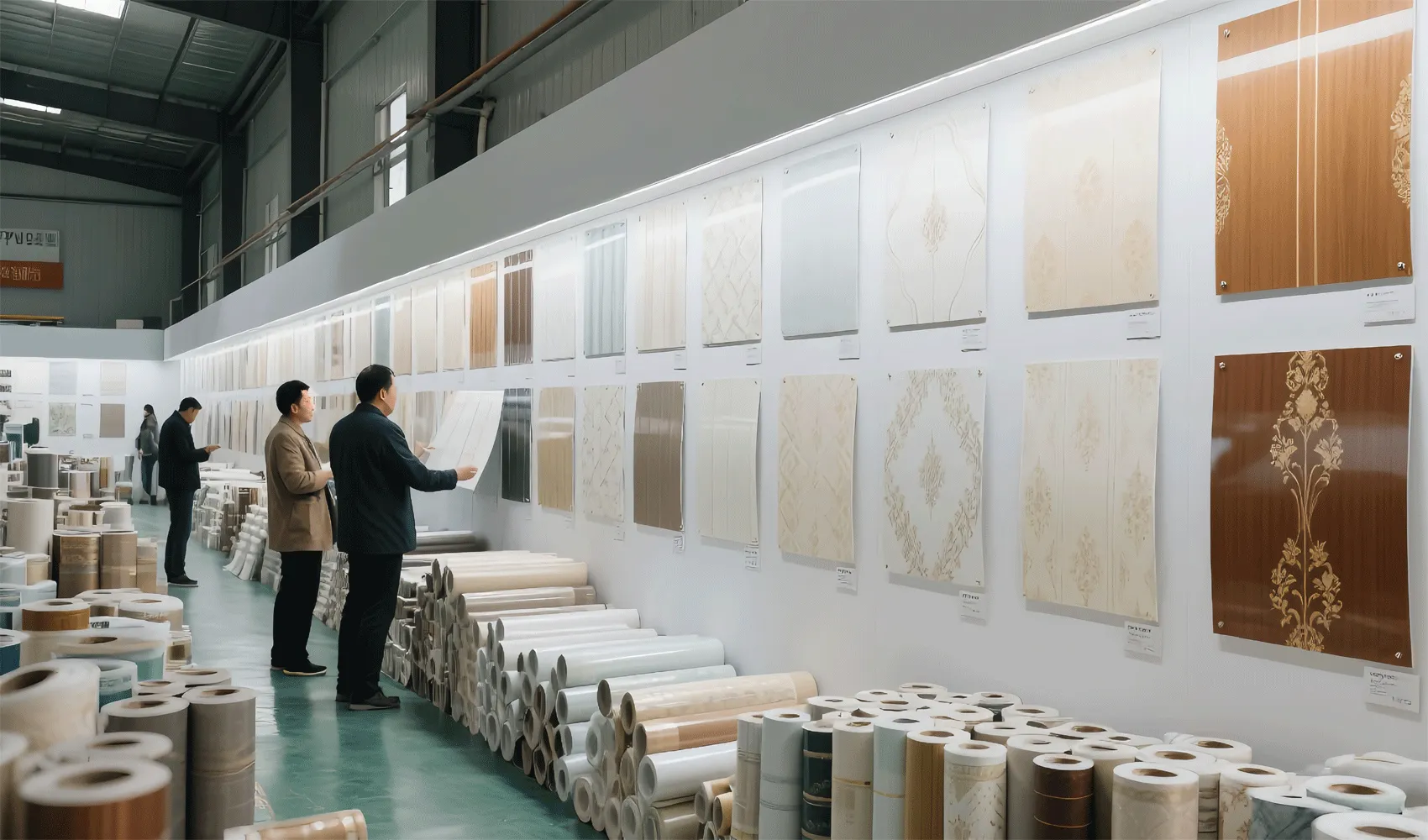
For custom sizes, specialty patterns, or large commercial orders, consider suppliers with in-house production capabilities and OEM support. Pulivk manufactures a wide range of calendered and PVC films and supports tailored specifications, printing and packaging for global markets.
Answer these before you buy: What is the primary function (energy, privacy, safety, or décor)? What is the existing glass type? Do you need professional installation and a long warranty? Will appearance and light levels meet occupant needs?
Compare product datasheets for VLT, UV rejection, IR rejection and warranty terms; request samples or on-site consultations for best results.