Address
304 North Cardinal St.
Dorchester Center, MA 02124
Work Hours
Monday to Friday: 7AM - 7PM
Weekend: 10AM - 5PM
Address
304 North Cardinal St.
Dorchester Center, MA 02124
Work Hours
Monday to Friday: 7AM - 7PM
Weekend: 10AM - 5PM



The PVC film market has seen a noticeable slowdown in some segments over the past few years. Buyers, specifiers, and manufacturers are reassessing where PVC makes sense — and where alternatives or new business models offer better long-term value. This article walks through the key reasons demand is falling in certain uses, current market trends, and practical moves suppliers and buyers are making to adapt.
Governments and large retailers are imposing stricter standards on plastic use, additives, and end-of-life handling. Regulations targeting phthalates, plasticizers, and recyclable content affect many PVC formulations. The result: some buyers switch to PE, PP, or bio-based films that are easier to recycle or perceived as greener.
Alternatives such as polyethylene (PE), polypropylene (PP), and engineered laminates are becoming more competitive in cost and performance for packaging, protective films, and some decorative uses. In construction and furniture markets, engineered boards, laminates, and water-based surface coatings reduce the need for PVC decorative films in certain projects.
Negative publicity about additives in PVC and long-term exposure concerns influence architects, interior designers, and parents to choose “PVC-free” options for living spaces and children’s products. Perception drives procurement choices even when technical performance is comparable.
Low-cost PVC film suppliers created intense price competition, compressing margins and triggering consolidation. Buyers seeking innovation or higher margins move to specialized materials or upgraded value-added film types (embossed, anti-scratch, flame-retardant), leaving basic commodity film demand stagnant.
Fluctuating feedstock costs (vinyl chloride monomer, plasticizers, stabilizers) and occasional capacity curtailments have increased price uncertainty. Some converters and distributors limit exposure to PVC where cost swings hit their profitability hardest.
| Segment | Demand Trend | Drivers |
|---|---|---|
| Packaging (flexible) | Flat to slight decline (-1% to -4%) | Move to mono-polymer PE, recycling targets |
| Construction & Interiors | Mixed — niche growth in premium films | Design trends favor durable, recyclable surfaces |
| Automotive protective films | Stable to modest growth (+1% to +3%) | High-performance, scratch-resistant grades retained |
| Decorative laminates & furniture | Shift toward textured and premium films | Demand for 3D textures, anti-scratch and varied finishes |
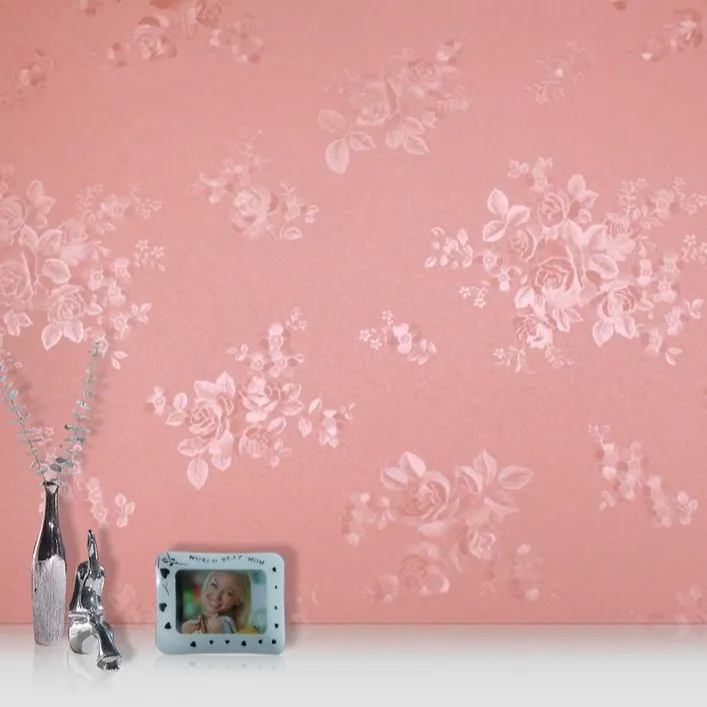
While commodity PVC film sees pressure, higher-value functional films (anti-scratch, matte/gloss blends, flame-retardant, antibacterial) are growing. Suppliers that innovate in coatings, surface textures, and printing finish capture premium margins.
Buyers increasingly demand recycled content and designs that support mechanical recycling. Manufacturers that optimize formulations for recyclability or adopt closed-loop programs gain preference with institutional buyers and large brands.
Developed markets push greener alternatives faster, while many emerging markets still prefer low-cost PVC for packaging and interior films. Export-focused manufacturers and distributors can tilt portfolios according to regional regulations and demand profiles.
Diversify product lines: broaden offerings to include PE/PP films and higher-performance PVC grades with added value. Focus R&D on recyclability and reduction of regulated additives.
Emphasize customization and quality control: customers value reliable lead times and consistent product performance. Suppliers with in-house calendering, printing, and split-packaging can win business by offering tailored sizes, prints, and packaging options.
For buyers looking for stable OEM supply with in-house production capabilities, consider partners who control raw materials and processing from start to finish. Pulivk offers integrated calendering, printing and split-packaging that help reduce costs at the source while supporting customization and steady lead times.
Declining demand for certain PVC film segments is driven by regulation, substitution, and changing buyer expectations. Suppliers who pivot to higher-value products, improve recyclability, and offer dependable, customized services are best positioned to thrive as the marketplace evolves.