Address
304 North Cardinal St.
Dorchester Center, MA 02124
Work Hours
Monday to Friday: 7AM - 7PM
Weekend: 10AM - 5PM
Address
304 North Cardinal St.
Dorchester Center, MA 02124
Work Hours
Monday to Friday: 7AM - 7PM
Weekend: 10AM - 5PM


PVC (polyvinyl chloride) film is widely used for packaging, surface decoration, and protective coverings — but it faces growing scrutiny for environmental compliance. This article explains the main reasons PVC film is often considered non-compliant with modern eco-standards, the health and lifecycle concerns, and practical steps designers, buyers, and manufacturers can take to reduce risk and improve sustainability.
PVC’s core issues stem from its chemical makeup and the additives required to make it flexible and durable. Unlike polyolefins such as PE or PP, PVC contains chlorine in every polymer unit. That chlorine makes PVC effective and low-cost, but it also drives problematic byproducts and stricter regulatory controls across many markets.
Chlorine content — when PVC is incinerated or degrades under certain conditions, chlorinated byproducts such as dioxins and furans can form. These are persistent environmental pollutants linked to serious health risks.
Plasticizers and stabilizers — flexible PVC film often relies on phthalates, organotin stabilizers, or heavy-metal-based additives to achieve required properties. Many of these compounds have been restricted or banned in food-contact, children’s products, and medical applications due to toxicity or endocrine-disruption concerns.
PVC film is technically recyclable, but practical recycling faces obstacles: mixed polymer waste streams, contamination with adhesives/inks, and the presence of restricted additives make mechanical recycling inefficient or produce downcycled outputs. In many regions, landfill and informal burning remain common end-of-life routes, increasing emissions and local environmental impacts.
Workers in manufacturing and recycling streams can be exposed to hazardous additives, and consumers may face risks from migrating plasticizers in certain uses (e.g., wrap in food-related items). Open burning or uncontrolled disposal magnifies these risks through emission of chlorinated toxins.
Global regulatory frameworks are tightening: the EU’s REACH and POPs regulations, restrictions on certain phthalates and heavy metals, and growing EPR (extended producer responsibility) schemes push buyers and suppliers to prefer materials with clearer end-of-life solutions. Retailers and brands in North America and Europe increasingly require documentation on phthalate-free formulations, low-VOC emissions, and recyclability.
| Lifecycle Stage | Primary Concern | Typical Impact |
|---|---|---|
| Raw Materials & Production | Use of chlorine, stabilizers | Higher risk of hazardous additives |
| Use Phase | Additive migration & VOCs | Potential consumer exposure |
| Disposal | Incineration produces dioxins | Air and soil contamination |
| Recycling | Contamination & additive complexity | Low recycling yields / downcycling |
Many suppliers market “recyclable PVC” or “eco PVC.” In reality, recyclability depends on the specific formulation and local recycling infrastructure. Recyclable in principle does not equal recyclable at scale — particularly where PVC is mixed with other polymers or contains problematic additives.

To reduce environmental risk, consider these options:
Switch to polyolefin films (PE, PP) where performance allows — they typically have simpler recycling paths.
Specify phthalate-free, lead-free stabilizers, and low-VOC inks or adhesives.
Use mono-material designs and avoid multi-layer laminates with non-compatible polymers to facilitate recycling.
Explore certified bio-based or compostable films for short-life packaging (verify composting infrastructure and standards first).
Buyers should require supplier documentation: material declarations, test reports for restricted substances, and end-of-life guidance. Seek suppliers that can provide traceability for raw materials and demonstrate multiple QC checkpoints throughout production.
Manufacturers can reduce compliance risk by reformulating to eliminate restricted additives, improving waste segregation on-site, and investing in take-back or closed-loop recycling programs with customers.
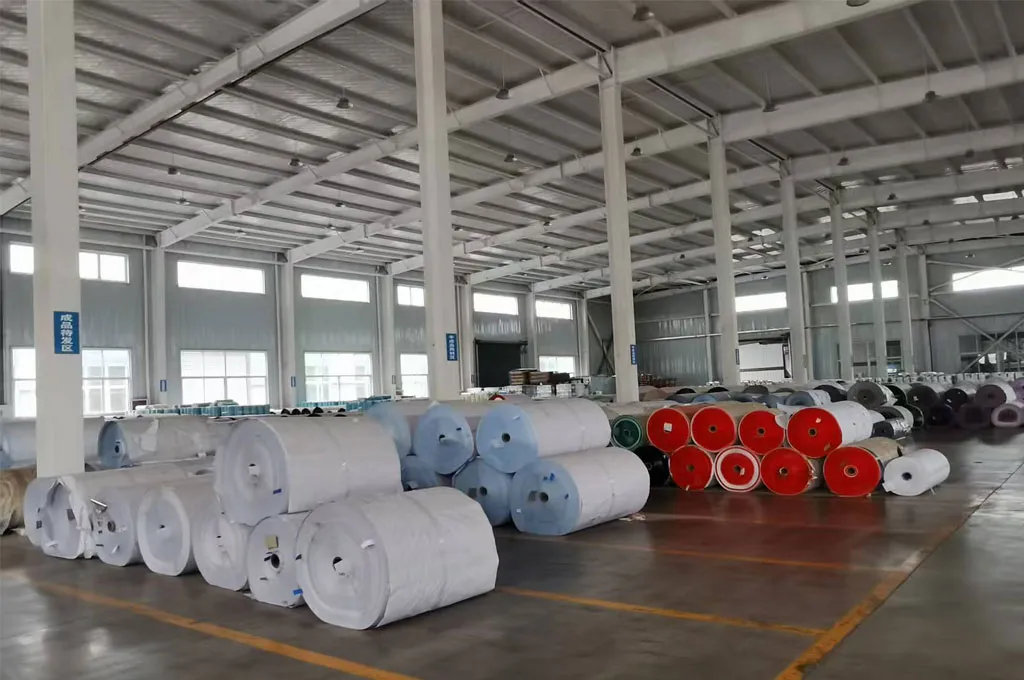
Pulivk (Henan Pulivk New Materials Co., Ltd.) operates full in-house production lines—calendering, printing, and split-packaging—with multiple QC checkpoints, enabling better raw material control and faster responses to regulatory requirements. For technical or sourcing inquiries visit https://pvcfilmtec.com/.
PVC film can be non-compliant primarily because of chlorine-based chemistry, hazardous additives, and real-world end-of-life challenges. Careful material selection, stricter additive specifications, and transparent supply-chain documentation are essential for meeting modern environmental expectations and regulatory demands.