Address
304 North Cardinal St.
Dorchester Center, MA 02124
Work Hours
Monday to Friday: 7AM - 7PM
Weekend: 10AM - 5PM
Address
304 North Cardinal St.
Dorchester Center, MA 02124
Work Hours
Monday to Friday: 7AM - 7PM
Weekend: 10AM - 5PM


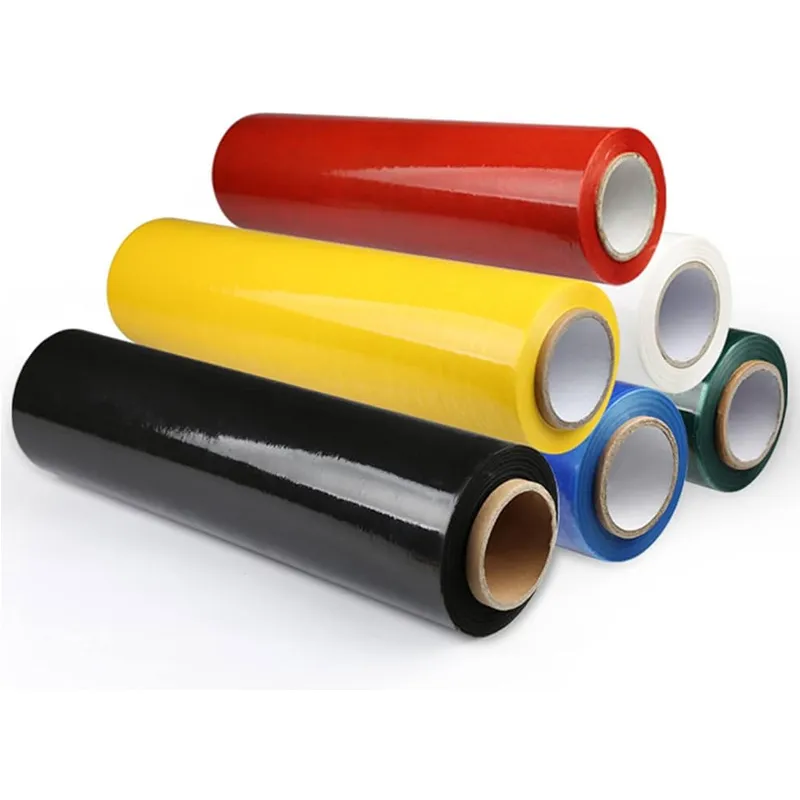
PVC film is a versatile material used across packaging, interior decoration, protective coverings, and industrial applications. One common question from specifiers and end users is: how well does PVC film stand up to harsh chemicals? This article breaks down real-world resistance, testing tips, and selection advice so you can choose the right PVC film for your environment.
PVC (polyvinyl chloride) film comes in many finishes—glossy, matte, wood-grain, anti-oil, and more. Its performance against chemicals matters most in kitchens, bathrooms, medical settings, laboratories, and industrial packaging where exposure to cleaners, solvents, acids, or alkalis is likely. Chemical resistance determines service life, appearance retention, and safety.
Below is a practical resistance table for typical PVC films (note: specific formulations, additives, and coatings change outcomes). Use it as a guide when selecting film types for different chemical exposures.
| Chemical / Agent | Resistance (Typical PVC Film) | Notes |
|---|---|---|
| Water / Steam | Excellent | Stable at room temp; prolonged steam may affect adhesives. |
| Dilute Acids (e.g., vinegar) | Good | Short contact OK; prolonged exposure can dull finish. |
| Alkalis (e.g., lye solutions) | Good to Fair | Concentrated caustics can cause surface whitening or loss of gloss. |
| Aromatic Solvents (toluene, xylene) | Poor | Can soften or dissolve film; avoid direct contact. |
| Alcohols (ethanol, isopropyl) | Good | Generally safe; avoid repeated long-term soaking on some decorative coatings. |
| Oils & Greases | Excellent | Most PVC films resist household oils; anti-oil treated films perform best in kitchens. |
| Bleach / Strong Oxidizers | Fair to Poor | May discolor or weaken surface depending on concentration and contact time. |
Not all PVC films are created equal. Differences come down to raw resin grade, plasticizers, stabilizers, surface lacquers, UV finishes, and adhesives. Anti-oil or chemical-resistant coatings greatly improve performance against kitchen cleaners and light solvents. Calendered films have different properties than cast films and may respond differently to heat and chemicals.
1. Film formulation (plasticizer type and content). 2. Surface treatment or lacquer. 3. Film thickness—thicker films tolerate longer exposures. 4. Temperature—higher temps accelerate chemical attack. 5. Mechanical stress—stressed film is more likely to craze or crack in contact with chemicals.
For reliable selection, perform a simple spot test: apply the actual chemical at expected concentration for a realistic time (e.g., 1 hour, 24 hours), then inspect for swelling, softening, tackiness, color change, or adhesion loss. For higher-risk uses (labs, industrial cleaners), request manufacturer chemical-resistance charts or specific lab test data.

To extend life: use mild detergents or alcohol-based cleaners for routine cleaning, avoid prolonged exposure to concentrated solvents and bleach, rinse off accidental spills immediately, and avoid abrasive scrubbing that damages protective topcoats. For kitchens choose anti-oil PVC films or films with protective lacquers.
If your environment involves frequent exposure to strong solvents, industrial chemicals, or high-temperature cleaning, specify engineered films or alternative substrates (polypropylene, PET, or coated laminates). For most domestic and light commercial settings, standard PVC films with protective coatings offer the best balance of cost and durability.
1. Identify chemicals, concentrations, and contact duration. 2. Confirm temperature and mechanical stress conditions. 3. Request manufacturer resistance data or run in-house spot tests. 4. Consider coated or anti-oil options for heavy-use areas. 5. Factor in thickness and adhesive system for bonded applications.
For custom PVC film specifications or samples tailored to specific chemical exposures, contact Pulivk for product guidance and testing support.