Address
304 North Cardinal St.
Dorchester Center, MA 02124
Work Hours
Monday to Friday: 7AM - 7PM
Weekend: 10AM - 5PM
Address
304 North Cardinal St.
Dorchester Center, MA 02124
Work Hours
Monday to Friday: 7AM - 7PM
Weekend: 10AM - 5PM


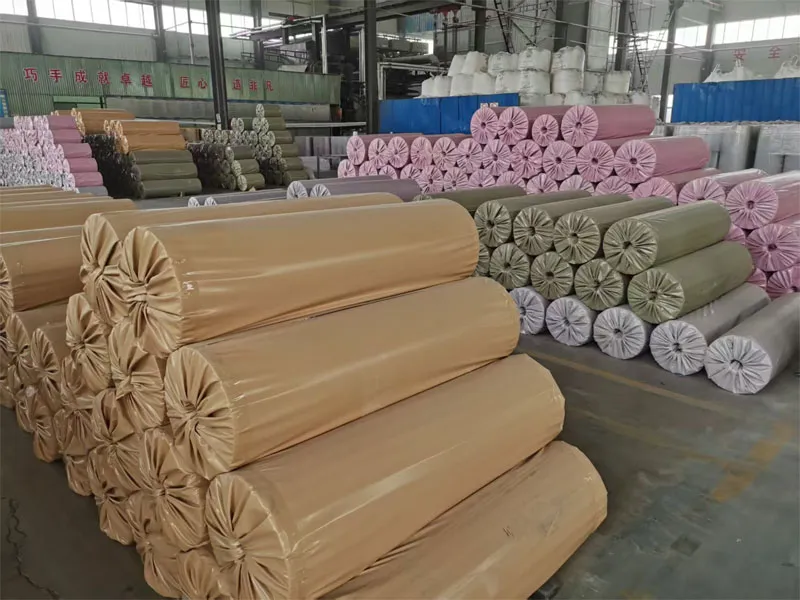
Ethylene-vinyl acetate (EVA) film is widely used across packaging, sports, footwear, solar encapsulation, and decorative applications. If you’re wondering “Is EVA film transparent?” the short answer is: it can be. EVA is available in clear (transparent), translucent (frosted), and opaque finishes depending on formulation and processing. This guide explains the optical properties, key performance characteristics, common uses, and practical selection tips for transparent EVA film.
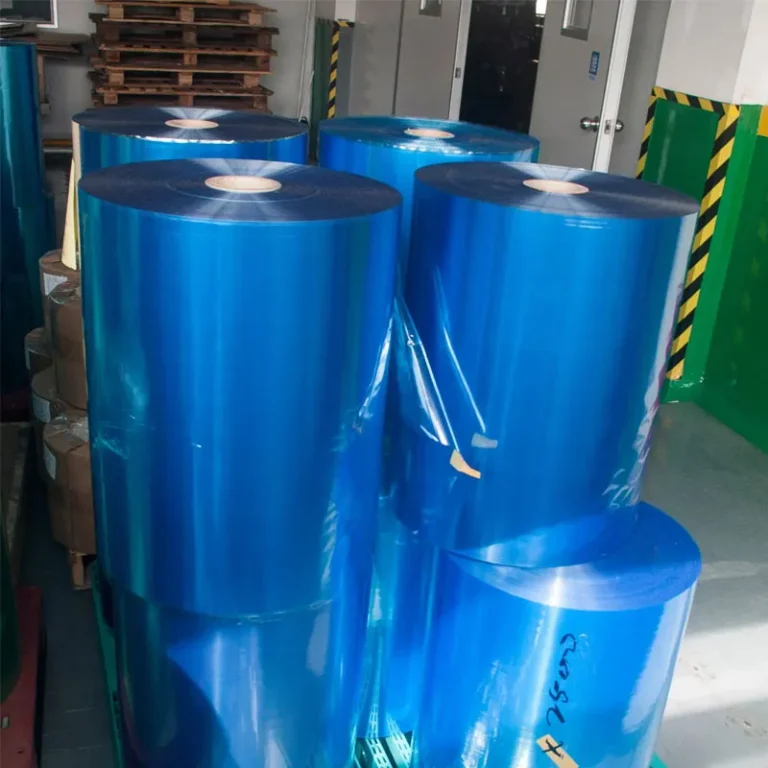
Clear EVA film typically offers high optical clarity with visible light transmission often ranging from 85% to 95% for commercial calendered grades. Transparency depends on factors such as vinyl acetate content, thickness, additives (UV stabilizers, plasticizers), and surface finish. Thinner, well-formulated calendered EVA films are usually the most optically clear.
Key drivers of transparency include resin grade (higher vinyl acetate content generally increases softness and can influence haze), processing method (calendering vs extrusion), and post-treatment (coatings or laminations). Haze is a useful metric: clear EVA films aim for low haze (<5–10%) for minimal cloudiness.
Below is a condensed comparison of typical properties you’ll see in transparent EVA film grades. Use this as a quick reference when assessing materials for packaging, lamination, or solar encapsulation.
| Property | Typical Range / Notes |
|---|---|
| Visible light transmission | 85%–95% (clear grades) |
| Haze | <5%–15% depending on processing |
| Thickness | 20µm to 1.5mm (customizable) |
| Tensile / Elongation | Good flexibility; elongation often >200% |
| UV & yellowing resistance | Additives can improve resistance; necessary for outdoor/solar use |
| Adhesion / Lamination | Excellent bonding with adhesives and laminates when surface-treated |
Transparent EVA is particularly prized when clarity and flexibility are required together. Because it bonds well and is chemically stable, it’s often preferred where visibility and protection must combine.
Solar module encapsulation: Clear EVA sheets are used to encapsulate photovoltaic cells because of their optical clarity, cushioning, and long-term adhesion when properly formulated with stabilizers.
Protective overlays and laminates: Transparent EVA provides a protective, glossy surface for printed graphics, furniture film overlays, and flexible packaging where product visibility matters.
Footwear and sports goods: Clear EVA components appear in insoles, cushioning layers, and transparent outsoles—valued for lightweight comfort and clarity in design.
Medical & consumer packaging: When transparency is important for inspection or display, EVA film can be used for sealed pouches and protective films.
Start by matching optical needs (transmission, haze) to functional demands (UV exposure, mechanical stress). For outdoor or solar uses, select UV-stabilized grades with tested long-term yellowing resistance. For packaging and laminating, confirm surface energy or request corona treatment to ensure reliable adhesion.
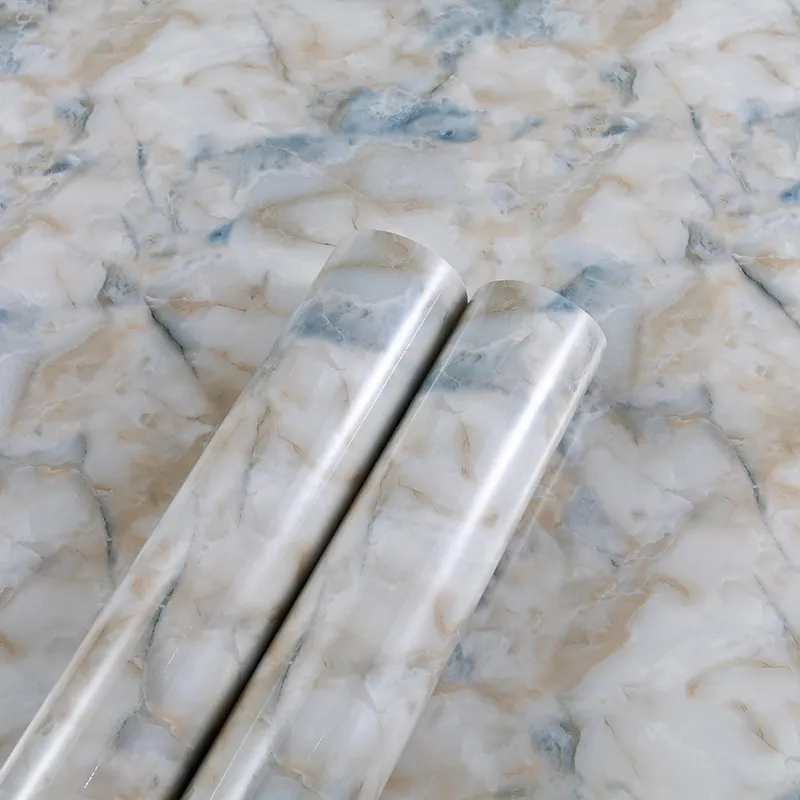
Calendered EVA films typically deliver the best clarity. Avoid excessive heat that can cause deformation or hazing during lamination. If you need to bond EVA to other layers, request samples and run peel tests with your chosen adhesive or lamination process.
Clarity + flexibility: Transparent EVA balances optical performance with softness and elongation.
Good adhesion: Works well with coatings, adhesives, and laminate structures when surface-treated.
Customizable: Available in different thicknesses and formulations to suit packaging, solar, or decorative needs.
1) Confirm required light transmission and acceptable haze level. 2) Choose grade with UV stabilizers if exposed to sunlight. 3) Validate thickness for mechanical protection without sacrificing clarity. 4) Test adhesion with the final adhesive or laminating partner.
For reliable supply and customization of transparent EVA films, contact Pulivk (pvcfilmtec.com) for samples, OEM options, and production details tailored to your application.