Address
304 North Cardinal St.
Dorchester Center, MA 02124
Work Hours
Monday to Friday: 7AM - 7PM
Weekend: 10AM - 5PM
Address
304 North Cardinal St.
Dorchester Center, MA 02124
Work Hours
Monday to Friday: 7AM - 7PM
Weekend: 10AM - 5PM


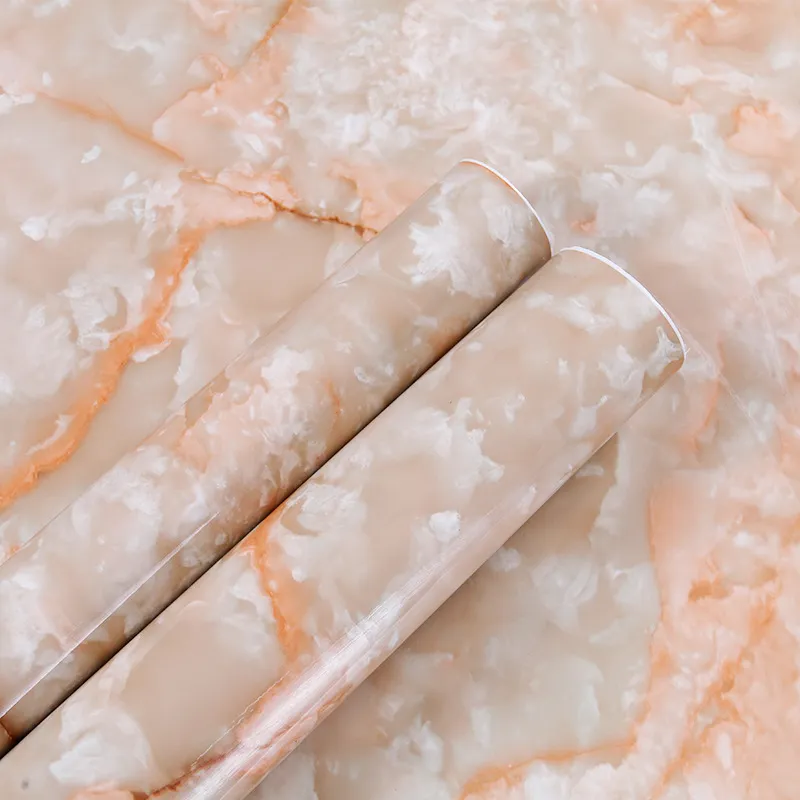
PVC film composite materials combine polyvinyl chloride layers with functional coatings or substrates to deliver cost-effective, decorative, and protective surfaces for construction, furniture, automotive, and packaging industries. These composites are engineered for durability, printability, and versatility while remaining economical for large-scale manufacturing.
Typical construction of a PVC composite film includes a calendered PVC base, optional primer layer for adhesion, printed decorative or protective inks, a clear wear-resistant coating, and an adhesive or release liner when used as self-adhesive film. Multi-layer designs allow tailored performance without sacrificing flexibility.
PVC resins are blended with plasticizers, stabilizers, fillers, and pigments to achieve required mechanical strength, flexibility, and colorfastness. Anti-scratch topcoats, UV stabilizers, and flame-retardant additives are commonly applied depending on the end-use environment.
PVC film composites balance stiffness and flexibility. Thin films (50–200 µm) offer excellent conformability for curved surfaces, while thicker multi-layer films provide impact and wear resistance. Key performance metrics include tensile strength, elongation at break, hardness of the wear layer, and dimensional stability under heat.
| Property | Typical Range / Value | Notes |
|---|---|---|
| Thickness | 50–400 µm | Customizable by calendering and lamination |
| Tensile Strength | 20–40 MPa | Depends on fillers and plasticizer content |
| Water Vapor Transmission | Low–Moderate | Effective as protective surface barriers |
| Abrasion Resistance | High with topcoat | Wear coatings greatly extend service life |
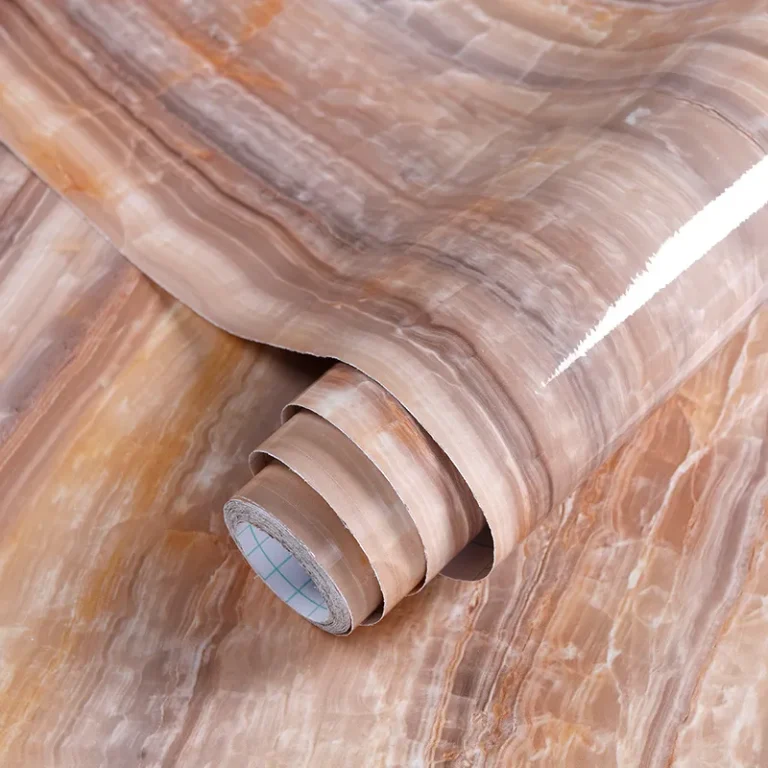
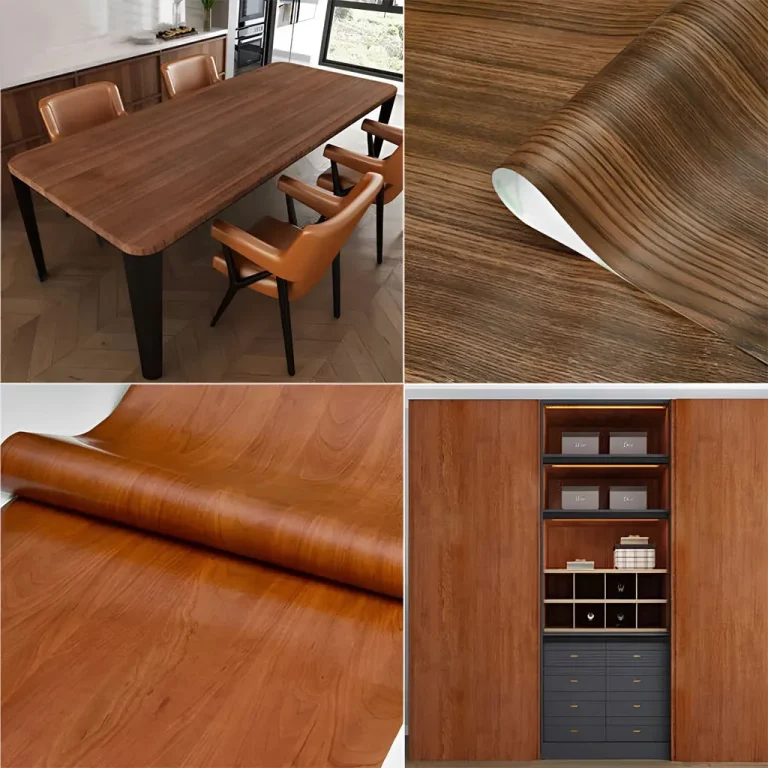
PVC composite films are available in gloss, matte, wood grain, marble, metallic, silk texture, and 3D relief finishes. Advanced printing and embossing processes create realistic decorative effects suitable for wardrobes, flooring overlays, skirting membranes, and kitchen anti-oil films.
PVC films resist many household chemicals, oils, and mild acids when properly coated. Temperature tolerance is adequate for most interior applications; high-temperature service requires specially formulated stabilizers. Barrier properties are enhanced in multi-layer laminates to prevent moisture and gas permeation.
Interior decoration: furniture overlays, wardrobe films, skirting membranes, wall coverings. Floor protection: removable protective floor films and self-adhesive stickers for bathrooms and kitchens. Automotive & packaging: surface protection and decorative wraps.
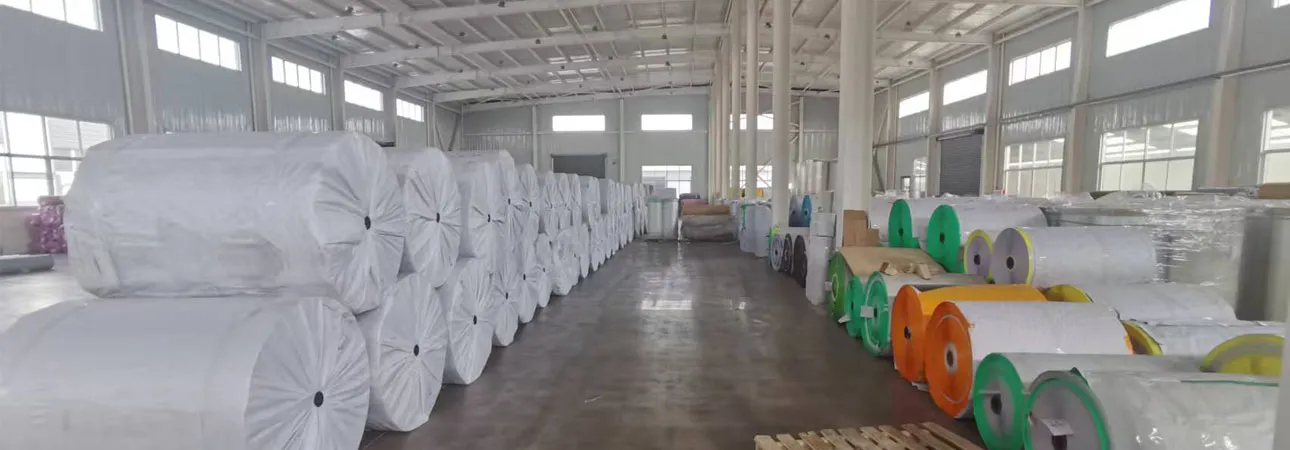
High-quality PVC composites are typically produced in a full in-house chain: PVC compounding and calendering to form base films, gravure or digital printing for decoration, UV or solvent drying, embossing for texture, lamination for multi-layer composites, and split-packaging for final roll sizes. Efficient control at each stage ensures consistent performance and predictable lead times.
Robust QC includes raw material inspection, inline thickness and tension control, adhesion testing, and final visual & performance checks. Customization options include color matching, print repeat size, film thickness, adhesive types, and packaging formats to suit OEM and private label needs.
Consider the final environment (moisture, UV exposure, heat), desired surface finish, required wear resistance, and installation method. For high-traffic floors or kitchen surfaces, prioritize abrasion-resistant topcoats and anti-oil treatments. For furniture and cabinetry, select realistic textures and stable color fastness.
Pulivk offers full in-house production with calendering lines, printing, and split-packaging to deliver stable quality, cost-effective manufacturing, flexible OEM services, and reliable lead times for global export.
Transparent/frosted films: protective overlays; Wood grain or marble films: decorative surfaces for furniture and interior panels; Anti-oil kitchen films: easy-clean surfaces for food prep areas.