Address
304 North Cardinal St.
Dorchester Center, MA 02124
Work Hours
Monday to Friday: 7AM - 7PM
Weekend: 10AM - 5PM
Address
304 North Cardinal St.
Dorchester Center, MA 02124
Work Hours
Monday to Friday: 7AM - 7PM
Weekend: 10AM - 5PM


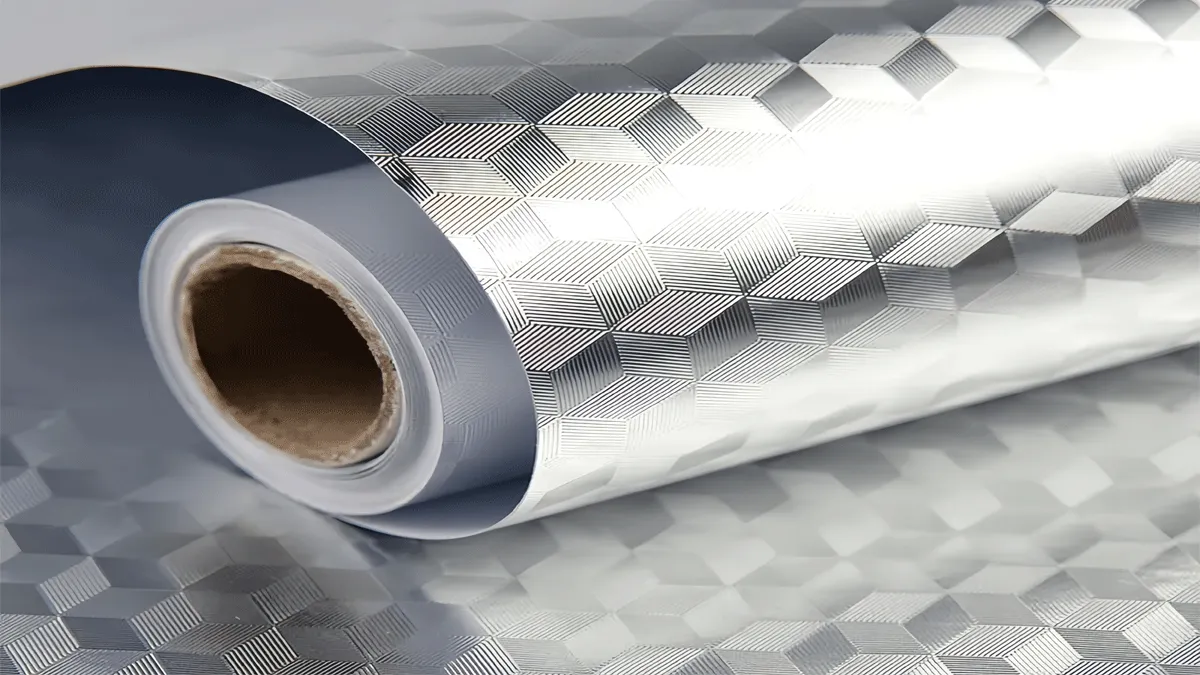
Choosing between PET and PVC protective film can make a big difference for packaging, surface protection, and decorative applications. This guide breaks down the core differences, benefits, performance data, and practical tips to help you pick the right film for your project.
PET (Polyethylene Terephthalate) and PVC (Polyvinyl Chloride) are both widely used as protective films, but they differ at the polymer level. PET is a polyester known for strength and dimensional stability; PVC is a vinyl polymer valued for flexibility and affordability. These inherent material differences drive performance in clarity, temperature tolerance, and chemical resistance.
PET offers excellent optical clarity and gloss retention, making it ideal for applications where transparency and high-quality print/display are important. PVC can be produced with a wide variety of surface effects (glossy, matte, wood grain, stone grain), making it popular for decorative surfaces.
PET is typically stiffer, strong in tensile strength and tear resistance, and resists stretching. PVC is more flexible, conformable, and can be formulated with varying softness for easy wrapping of curved surfaces.
| Property | PET | PVC |
|---|---|---|
| Clarity & Gloss | Very high | Good — customizable finishes |
| Temperature Resistance | Higher heat tolerance | Lower heat limit; may deform at high temps |
| Flexibility & Conformability | Moderate (stiffer) | High (excellent for curves) |
| Chemical & Solvent Resistance | Good | Moderate (formulations affect resistance) |
| Cost | Usually higher | Generally cost-effective |
| Recyclability | More widely recyclable | Recyclable in many systems but depends on additives |
High clarity and strength make PET the go-to choice for screen protectors, premium packaging overlays, and applications requiring excellent gloss or printed image protection. PET also performs better under higher temperatures and resists yellowing over time, preserving product appearance.
PVC stands out for its flexibility, lower cost, and wide range of surface textures and colors. It’s commonly used for decorative laminates, wood-grain wraps, and protective coverings on furniture, flooring, and building panels where conformability and variety of finishes are priorities.
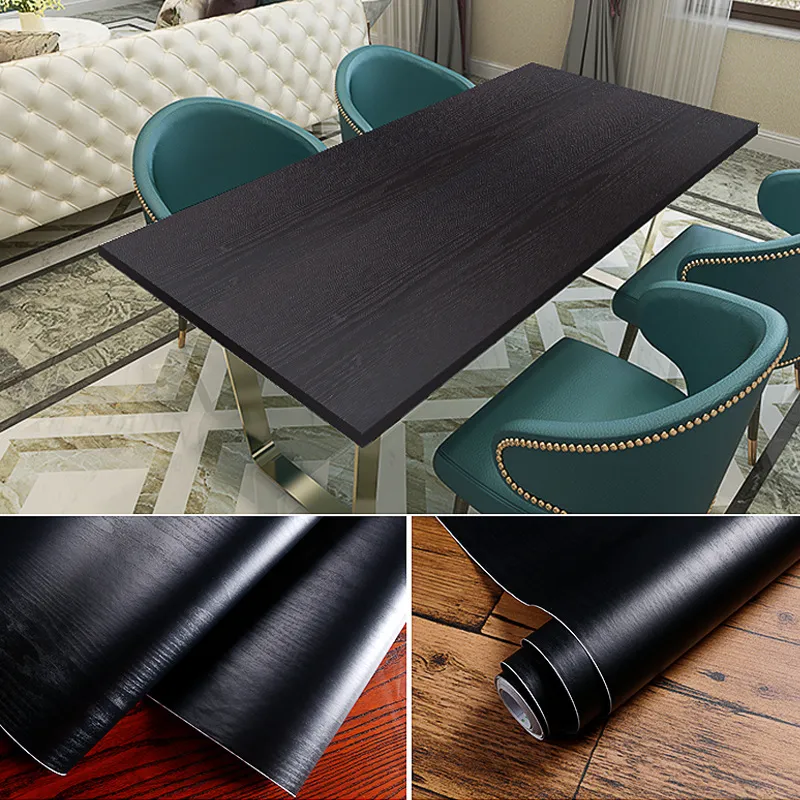
PET: high-end packaging, protective overlays for electronics, labels requiring clarity. PVC: decorative films, laminated furniture surfaces, floor and skirting protective films, and cost-driven surface protection.
Choose PET if optical clarity, scratch resistance, and higher temperature tolerance are important.
Choose PVC if you need flexibility, a variety of textures/prints, or a more economical option.
Consider the adhesive system and whether clean removal is required. PET films often use permanent or semi-permanent adhesives for durable protection; PVC can be formulated for easier, residue-free removal — useful for temporary protective films.
If recyclability or lower environmental impact is a priority, PET generally has an advantage due to broader recycling streams. Always check local disposal guidelines and regulatory requirements for additives and plasticizers used in specific PVC formulations.
Use this short checklist to decide quickly: clarity needs? choose PET. Complex curves or textured finishes? choose PVC. Budget-limited, decorative finishes? PVC. High-temperature or long-term clarity? PET.
Pulivk
Full in-house production with calendering, printing, and split-packaging lines for reliable quality control.
Flexible OEM and customization for sizes, colors, prints, and packaging to suit private-label and project needs.
Strict QC checkpoints and stable lead times to support global export and logistics.
Test a sample under expected environmental conditions before committing to large runs. Consider lifecycle, finish, and end-use handling to ensure the best balance of performance and cost.
More details and product samples: https://pvcfilmtec.com/