Address
304 North Cardinal St.
Dorchester Center, MA 02124
Work Hours
Monday to Friday: 7AM - 7PM
Weekend: 10AM - 5PM
Address
304 North Cardinal St.
Dorchester Center, MA 02124
Work Hours
Monday to Friday: 7AM - 7PM
Weekend: 10AM - 5PM


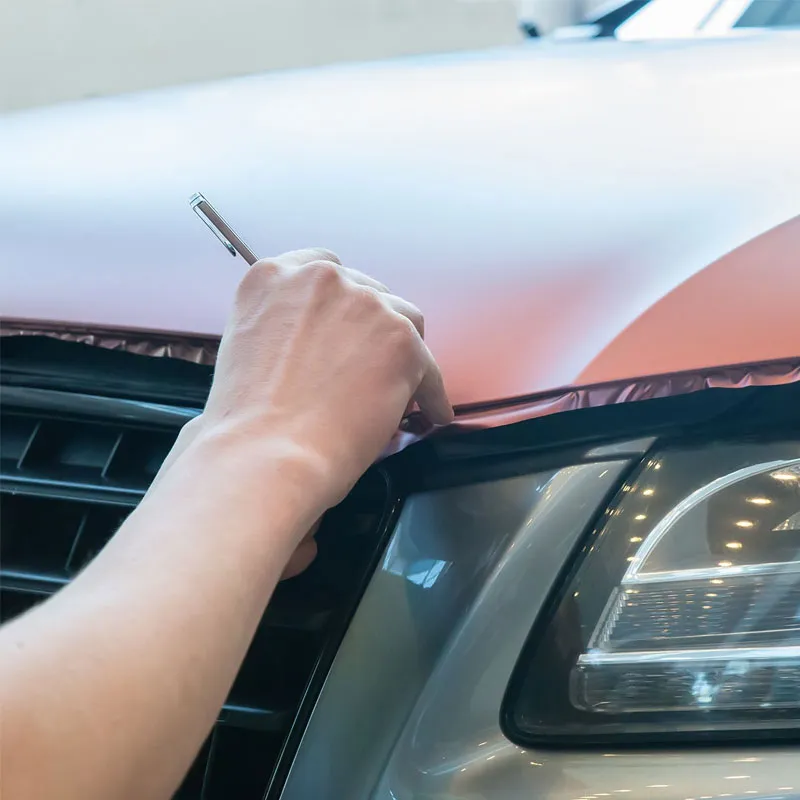
Car wrap films are an increasingly popular way to change a vehicle’s appearance, protect factory paint, or promote a brand — without the permanence or cost of a full respray. This guide breaks down the different kinds of car color change films, explains their pros and cons, and helps you choose the right film for style, longevity, and budget.
Car wrap film is a thin, flexible PVC or polymer sheet applied to a vehicle’s exterior. It can be printed, colored, textured, or clear. Wraps range from full-vehicle color changes to accent pieces, and from decorative finishes to high-performance protective films.
Vinyl wrap — the most common option, available in cast and calendered formulations. Paint Protection Film (PPF) — a clear thermoplastic polyurethane (TPU) film that protects against chips and scratches. Specialty films — chrome, metallic, color-shift, and textured options like carbon fiber or brushed metal.
Understanding the difference between cast and calendered vinyl is key to selecting the right wrap:
Cast vinyl: Made by casting liquid vinyl into thin films. It’s thin, conformable, and stable — ideal for full vehicle wraps and complex curves. Typical lifespan: 5–12 years depending on quality and finish.
Calendered vinyl: Produced by pressing vinyl through rollers. Thicker and less conformable, often used for flat panels, decals, and budget wraps. Typical lifespan: 3–7 years.
Pick cast vinyl for professional full wraps, long-term durability, and high-end finishes. Choose calendered vinyl for cost-conscious projects or simple graphics where severe stretching is not needed.
Wrap finishes transform the look and texture of a vehicle:
Gloss: High shine that mimics traditional paint — popular for showroom looks.
Matte: Flat, non-reflective finish for a stealthy, modern appearance.
Satin/Semi-gloss: Midway between gloss and matte for a premium but understated look.
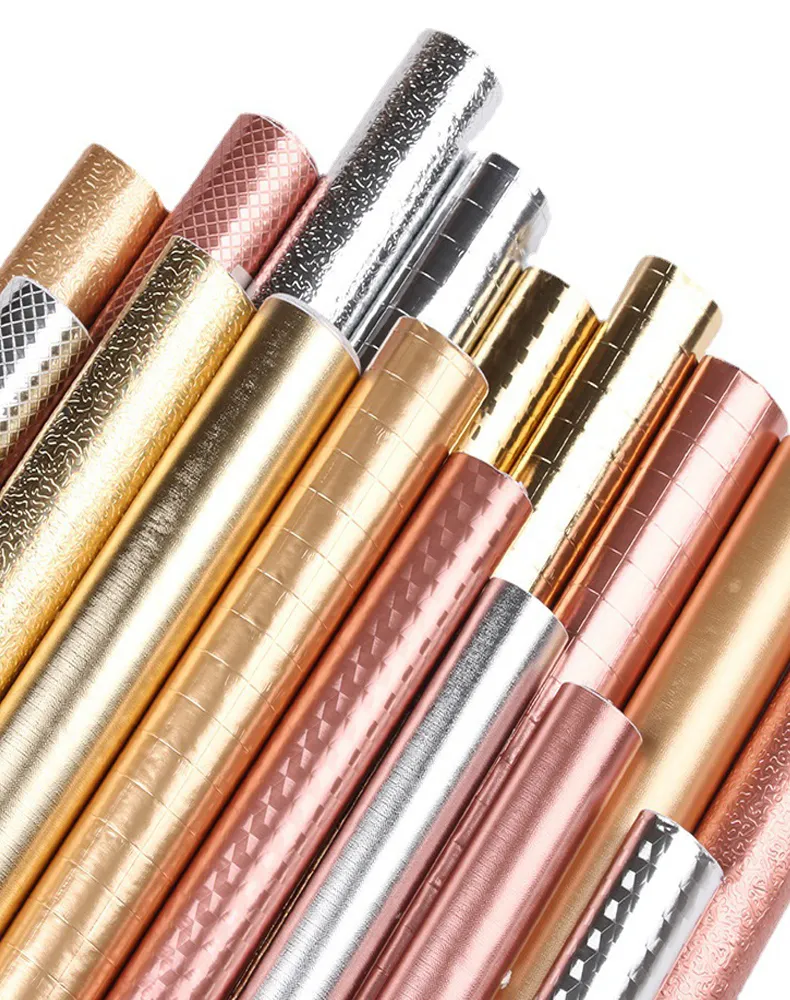
Chrome and Metallic: Highly reflective finishes that create a striking visual impact.
Color-shift / Chameleon: Changes hue depending on viewing angle and light.
Textured: Carbon fiber, brushed metal, leather, and 3D textures for specialty styling.
Not all clear films are equal. Paint Protection Film (PPF) is engineered for impact resistance and self-healing of minor scratches; clear vinyl wraps provide UV protection and light scratch resistance but are not as robust against stone chips.
Superior protection against rock chips, abrasion, and stains. Many PPF products last 5–10 years and offer hydrophobic coatings to keep surfaces cleaner.
Printed wraps allow full photographic graphics and brand messaging. Specialty films — like matte chrome, iridescent, or glitter — are used to produce unique, attention-grabbing results. For commercial fleet wraps, high-quality printed cast vinyl provides consistent color and durability across vehicles.
Perforated window film (one-way vision) is used for rear or side windows to display graphics while retaining outward visibility. Make sure to follow local regulations regarding window tint/visibility in your region.
| Film Type | Best For | Expected Lifespan | Approx. Cost |
|---|---|---|---|
| Cast Vinyl | Full wraps, complex curves | 5–12 years | $$–$$$ |
| Calendered Vinyl | Flat panels, short-term wraps | 3–7 years | $–$$ |
| PPF (Paint Protection Film) | Front bumpers, hoods, high-impact zones | 5–10 years | $$$ |
| Chrome / Color-Shift / Specialty | Show cars, custom builds | 3–8 years | $$$–$$$$ |
Modern wrap films use repositionable or permanent adhesives with micro-air-release channels for bubble-free installs. Professional installation significantly extends life and ensures warranty coverage. For challenging climates — high UV in Australia or high humidity in Southeast Asia — choose films with strong UV stabilizers and professional-grade topcoats.
Wash with mild soap and soft cloths, avoid abrasive brushes, and keep vehicles shaded when possible. Matte films require specific cleaners; never use wax or polish meant for paint on matte finishes.
Decide by balancing style, longevity, and budget. Ask about warranty, installer experience, and whether the film is cast or calendered. For business fleets, favor durable cast vinyl or laminated printed films. For owners seeking short-term style changes, calendered or lower-cost cast options might suffice.
Choose suppliers with full in-house production capabilities and quality control to ensure color consistency and reliable lead times — for example, Pulivk manufactures a wide range of calendered and cast films with OEM customization options, which can help simplify sourcing and minimize supply chain delays.
Confirm film type (cast vs calendered), finish, warranty, installer certification, and any local legal restrictions. A good wrap can transform your vehicle and protect it for years — but the right film and installer make all the difference.