Address
304 North Cardinal St.
Dorchester Center, MA 02124
Work Hours
Monday to Friday: 7AM - 7PM
Weekend: 10AM - 5PM
Address
304 North Cardinal St.
Dorchester Center, MA 02124
Work Hours
Monday to Friday: 7AM - 7PM
Weekend: 10AM - 5PM


 ByPulivk
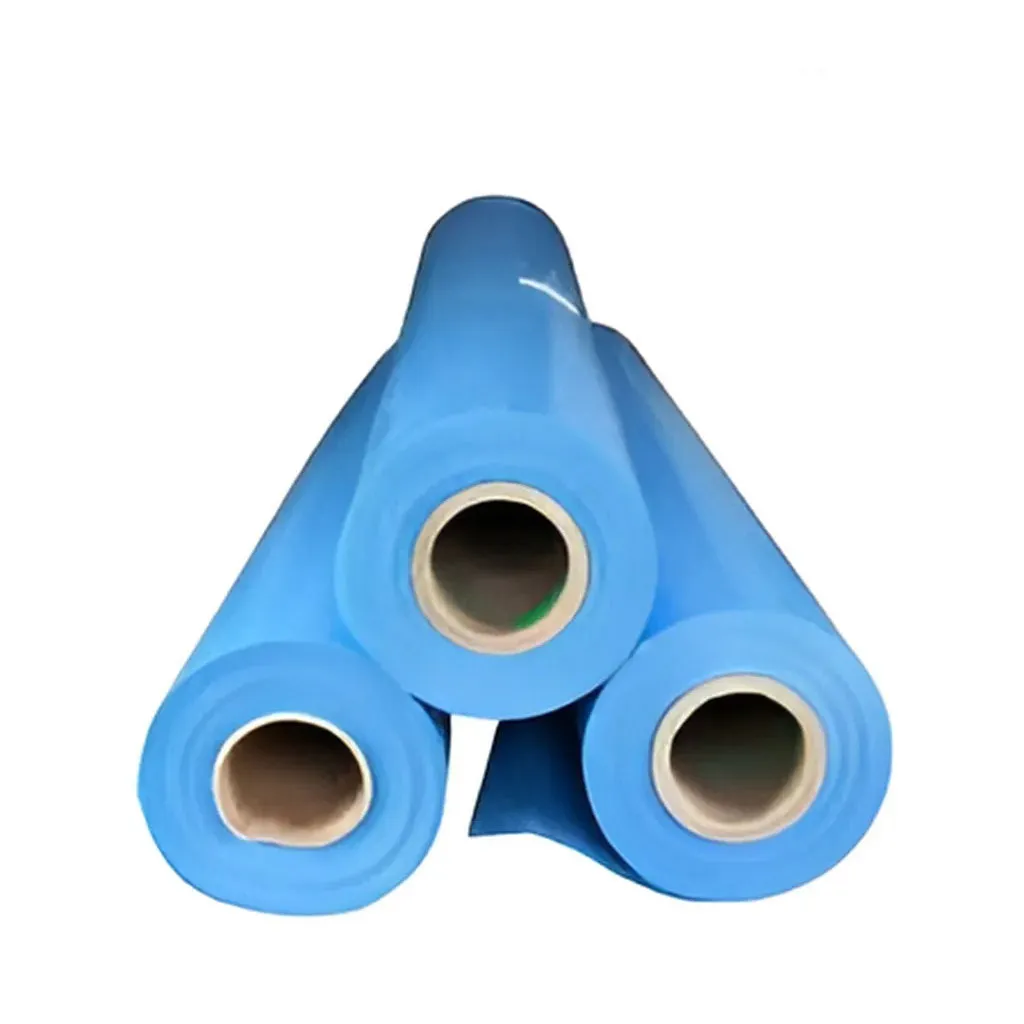
PE protective film is a common solution for temporary surface protection on plastics, metals, glass, and painted surfaces. This guide explains whether PE protective film is self-adhesive, how to tell the difference, common uses, selection tips, and best practices for application and removal.
Polyethylene (PE) protective film is a thin plastic layer manufactured from PE resins (LDPE, HDPE, or LLDPE) designed to shield finished surfaces from scratches, dust, paint splatter, and handling damage during production, transport, or installation. Protective PE films can be transparent, frosted, printed, or have special surface treatments (antistatic, anti-slip).
Short answer: Not always. Many PE protective films are designed with a low-tack adhesive and are self-adhesive, but a large portion are non-adhesive slip films that rely on static cling or mechanical holding. Whether a PE film is self-adhesive depends on manufacturing: an adhesive layer (acrylic, rubber, or hot-melt) must be applied to make it truly self-adhesive.
Self-adhesive PE film: Has a pressure-sensitive adhesive (PSA) and often a release liner. Sticks directly to surfaces for durable temporary protection or labeling.
Non-adhesive PE film: May cling by static, overlap, or be taped mechanically. Easier to remove but less secure in high-traffic or windy conditions.
| Feature | Self-Adhesive PE Film | Non-Adhesive PE Film |
|---|---|---|
| Attachment Method | Pressure-sensitive adhesive / release liner | Static cling, friction, tape or mechanical fixing |
| Typical Uses | Floor protection, labels, decals, appliance protection | Temporary surface protection during fabrication, packaging, shipping |
| Removal | May leave residue if left too long or exposed to heat | Usually residue-free when cleanly removed |
| Durability | Stronger hold for longer-term protection | Easier to reposition, less suitable for rough handling |
Non-adhesive PE film is ideal for: protecting panels, glass, and painted components during manufacturing or short-term transport where easy removal and no residue are priorities.
Self-adhesive PE film is ideal for: floor protection during construction, appliance surface protection in transit, decals, and any application requiring firm hold against movement or moisture.
1. Look for a release liner or printed instructions indicating a peel-off liner — that usually means a PSA is present.
2. Feel the film edge — a tacky surface or slight stickiness indicates an adhesive coating.
3. Check product specs or ask the supplier for tack level, adhesive type (acrylic, rubber), and recommended dwell time; manufacturers often list these in datasheets.
Application: Clean and dry the surface, apply at moderate temperature (15–25°C/59–77°F) for best adhesion, and smooth out bubbles with a soft squeegee.
Removal: Peel slowly at a low angle; if residue appears, use a gentle solvent recommended for the substrate or warm the film slightly to reduce adhesive tack before removal.
Avoid long-term outdoor exposure for many self-adhesive PE films — prolonged UV and heat can increase residue risk and make removal difficult.
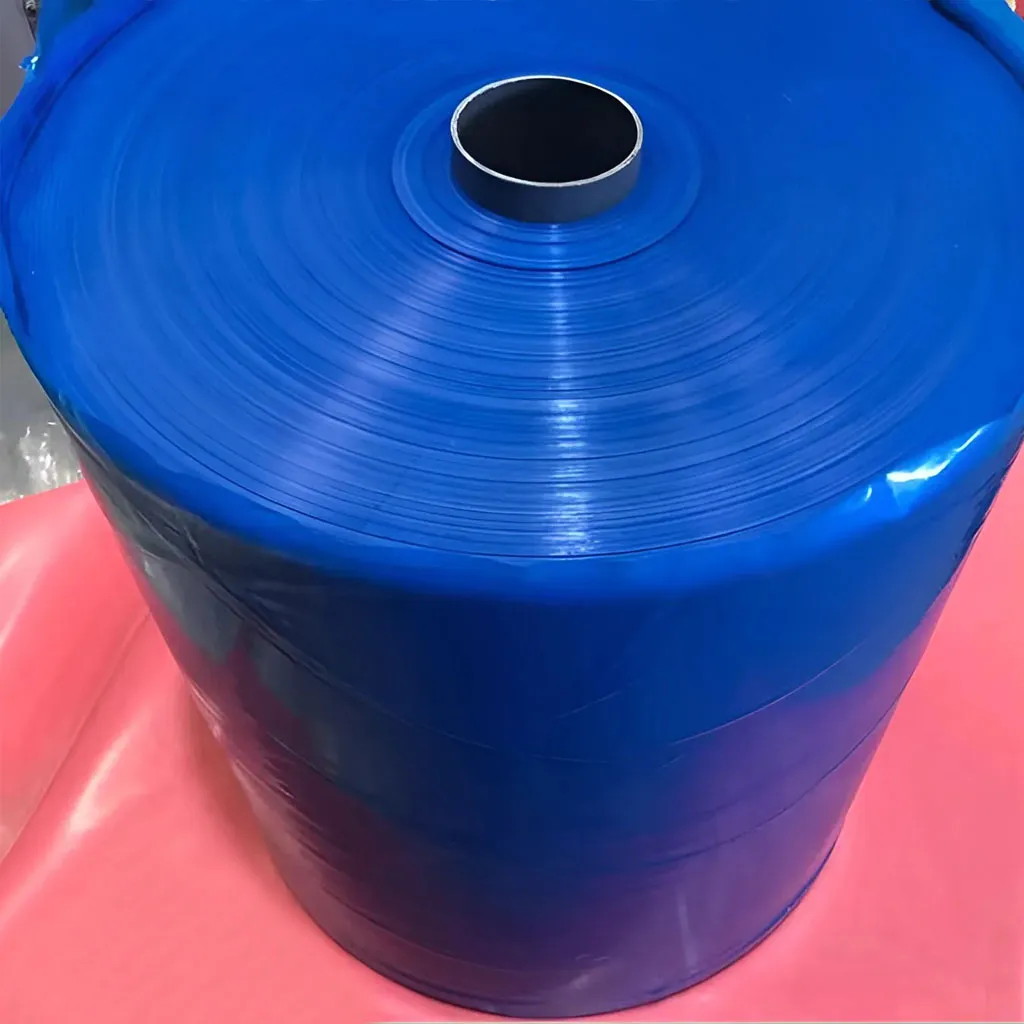
Store rolls in a cool, dry place away from direct sunlight. Self-adhesive films often have a defined shelf life (commonly 6–24 months) depending on adhesive chemistry and packaging. For environmentally sensitive projects, ask about low-VOC adhesives or recyclable PE formulations.
Consider substrate type, expected protection duration, exposure to heat/UV, peel-residue tolerance, and whether you need printed identification or custom sizes. For custom specs or OEM orders, contact a manufacturer that supports tailored sizes, colors, and adhesive options.
Q: Will self-adhesive PE film leave residue? A: It can if left in place too long, exposed to high heat, or used on sensitive coatings — choosing the right adhesive and recommended dwell time reduces risk.
Q: Can I use non-adhesive PE film for floors? A: You can for very short-term protection, but for construction sites or heavy foot traffic, self-adhesive floor protection is safer.
Q: Are PE protective films reusable? A: Generally no — once adhesive contact is broken or the film is soiled, performance drops. Non-adhesive films may be reused if clean and undamaged.
Pulivk manufactures a wide range of PE and PVC protective films, including self-adhesive and non-adhesive options, with full in-house production and OEM support — visit https://pvcfilmtec.com/ for product details and custom solutions.