Address
304 North Cardinal St.
Dorchester Center, MA 02124
Work Hours
Monday to Friday: 7AM - 7PM
Weekend: 10AM - 5PM
Address
304 North Cardinal St.
Dorchester Center, MA 02124
Work Hours
Monday to Friday: 7AM - 7PM
Weekend: 10AM - 5PM


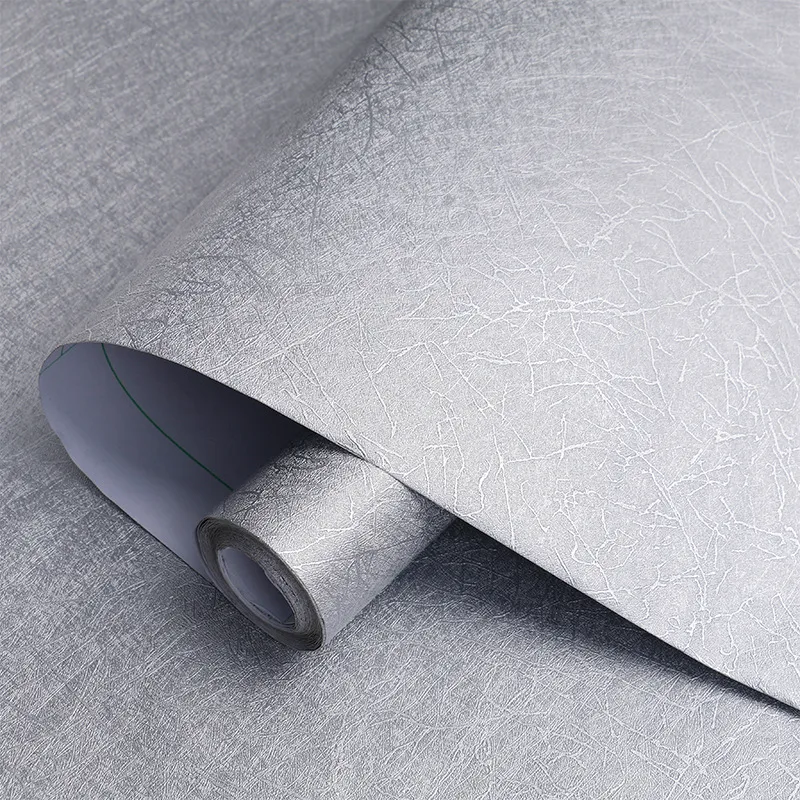
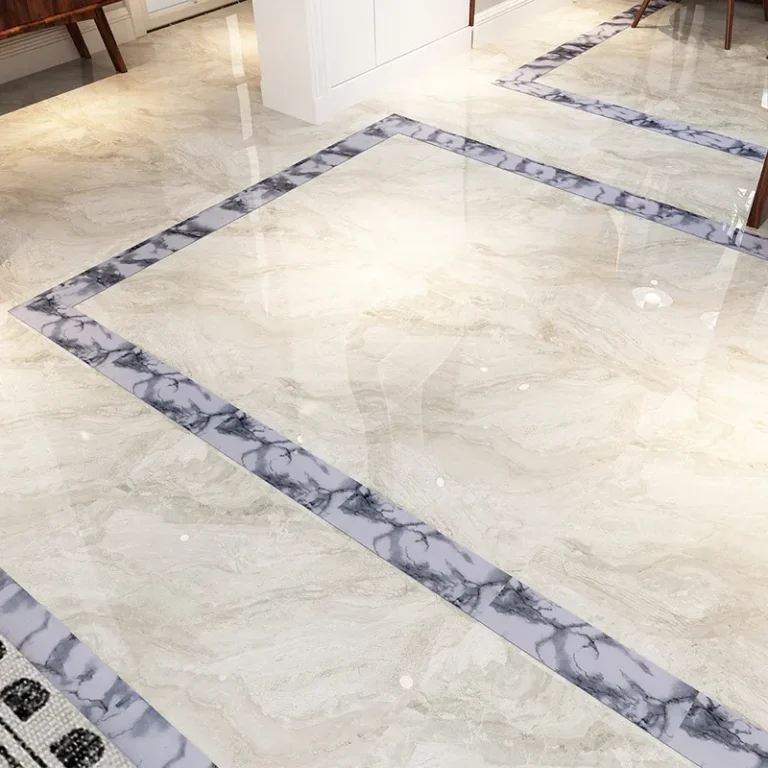
PVC film is a versatile, cost-effective material used for flooring, furniture wrap, kitchen splashbacks, car decals, and protective covers. If you’re planning a renovation or choosing a protective film for a project, the big question is: how long does PVC film last and when should you replace it? This guide breaks down typical lifespans, durability factors, maintenance tips, and a straightforward replacement checklist.
There isn’t a single answer—lifespan depends on the film formulation, thickness, installation quality, and exposure to sunlight, moisture, and abrasion. In controlled indoor conditions many PVC films last several years to a decade, while outdoor-exposed films typically show noticeable aging faster.
| PVC Film Type | Indoor Lifespan | Outdoor Lifespan | Durability Notes |
|---|---|---|---|
| Thin decorative film (30–60 µm) | 2–5 years | 1–3 years | Good for short-term décor, less scratch-resistant. |
| Mid-weight film (80–150 µm) | 5–10 years | 3–6 years | Balanced durability for furniture and floors. |
| Heavy-duty / outdoor-grade | 7–12 years (indoor use) | 4–8 years | UV stabilizers and thicker formulations increase outdoor life. |
| Specialty films (anti-scratch, anti-oil) | 5–10+ years | Varies | Enhanced surface treatments extend usable life in demanding settings. |
UV exposure: Sunlight breaks down plasticizers and pigments. Films with UV stabilizers last longer outdoors. Thickness and wear layer quality directly affect scratch and abrasion resistance. Proper surface preparation and professional installation help prevent early peeling or bubbling. Humidity, heat, and chemicals (e.g., harsh cleaners or solvents) also accelerate aging.
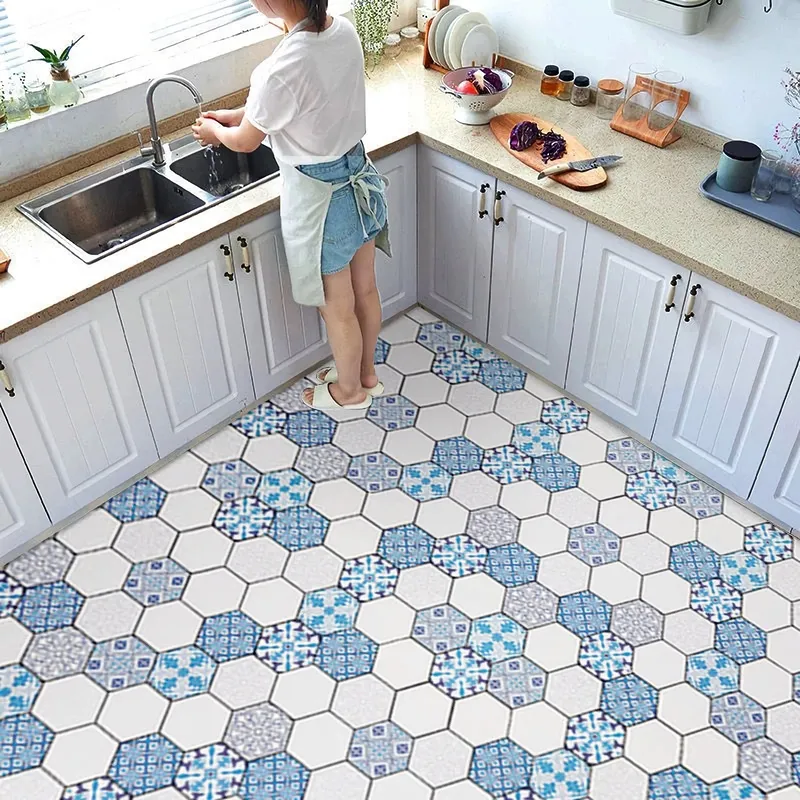
– Clean with mild detergent and a soft cloth; avoid abrasive pads and solvent-based cleaners.
– Avoid prolonged direct sun exposure when possible; use curtains or awnings to reduce UV load.
– Promptly repair small edge lifts or bubbles to stop dirt and moisture ingress.
– For high-traffic floors, choose thicker films with anti-scratch finishes and reapply protective top layers when recommended.
– Noticeable fading, chalking, or color change.
– Surface cracking, peeling at edges, or persistent bubbling.
– Deep scratches that expose underlying substrate or compromise waterproofing.
– Adhesive failure or unpleasant odors indicating chemical breakdown.
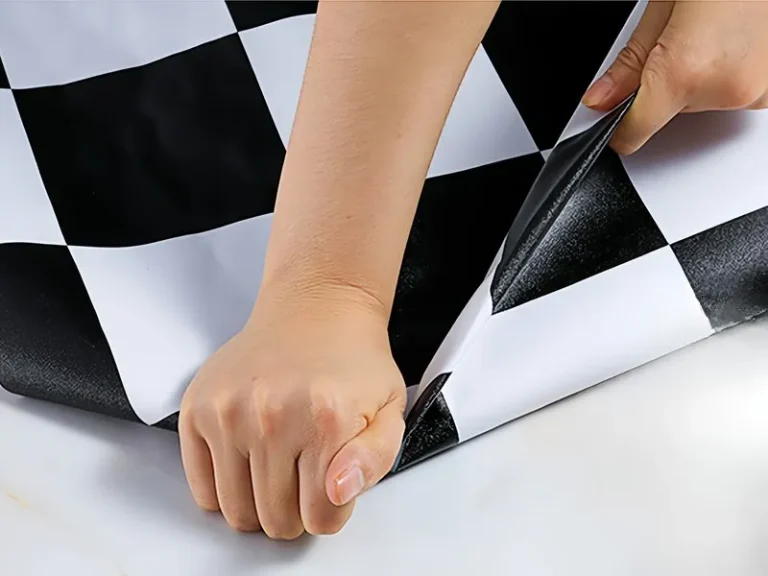
If the film shows structural damage or fails to protect the surface, replacement is recommended. For small areas, DIY replacement is possible: carefully remove the old film, clean and level the surface, and apply new film using recommended adhesives. For large areas, textured films, or vehicle wraps, hire a professional to ensure consistent results and longer performance.
When budgeting, factor in film quality (thicker and UV-treated films cost more but last longer), installation labor, and potential downtime. For commercial projects in humid climates or heavy foot-traffic zones, investing in higher-grade PVC with protective coatings often lowers lifetime cost.
Q: Can PVC film be recoated or repaired?
A: Minor scratches can sometimes be treated with polish or protective sealants; deep damage requires replacement.
Q: Is outdoor use a deal-breaker?
A: Not if you select outdoor-grade film with UV stabilizers and proper installation; expect shorter lifespans than indoor installations.
Q: How long for kitchen and bathroom applications?
A: With correct selection (anti-oil or waterproof grades) and ventilation, kitchen and bathroom films typically last 5–8 years indoors.
Henan Pulivk New Materials Co., Ltd. manufactures a wide range of PVC films—calendered, printed, embossed, and specialty coatings—to meet different lifespan and performance needs. Visit https://pvcfilmtec.com/ for product specs and OEM options.
Choose film grade to match exposure and traffic, follow manufacturer maintenance guidelines, and inspect annually for early signs of wear. With the right selection and care, PVC film can be a durable, economical surface solution for many projects.