Address
304 North Cardinal St.
Dorchester Center, MA 02124
Work Hours
Monday to Friday: 7AM - 7PM
Weekend: 10AM - 5PM
Address
304 North Cardinal St.
Dorchester Center, MA 02124
Work Hours
Monday to Friday: 7AM - 7PM
Weekend: 10AM - 5PM


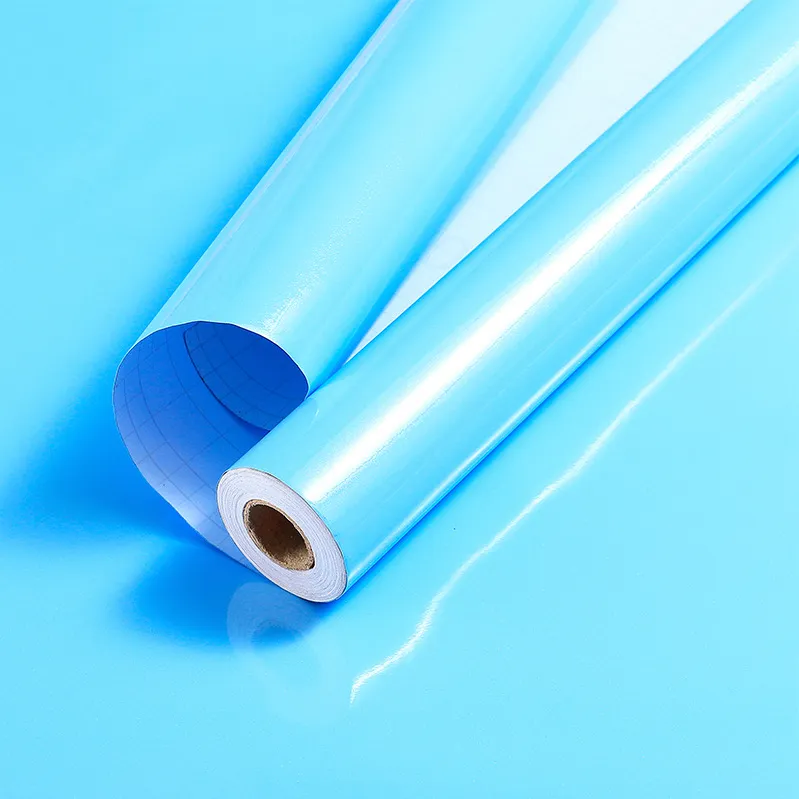
Peeling vinyl or PVC door panel film is a common issue in homes and commercial properties. It not only looks unattractive but can expose the substrate to moisture and damage. This guide explains the most common causes, step-by-step solutions, and practical prevention tips to keep door film looking like new.
Several factors contribute to film delamination. Identifying the root cause helps you choose the right repair method and prevent recurrence.
Before trying a fix, inspect the door panel carefully:
| Cause | Typical Signs | Quick Fix |
|---|---|---|
| Surface contamination | Edge lift, patchy adhesion | Clean and re-glue with contact adhesive |
| Moisture exposure | Bubbling, soft adhesive | Dry, dehumidify, then reapply edge seal |
| Low-quality film | Widespread delamination | Replace panel film with higher-grade material |
Small lifts and edge peeling are often repairable at home with basic tools. Follow these steps for a neat result:
rubbing alcohol or mild solvent, a clean cloth, a roller or squeegee, a quality contact adhesive or edge glue, a craft knife, and clamps or masking tape.
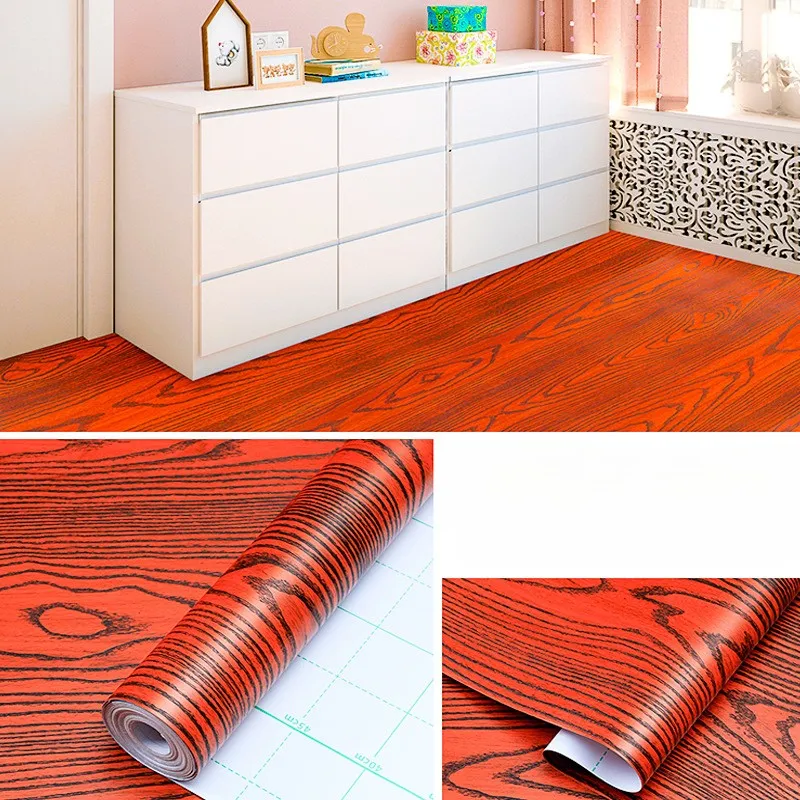
If peeling is widespread, the substrate is warped or water-damaged, or the door has decorative printing and complex edges, seek professional repair or replacement. Professionals can match film textures and finish while ensuring long-lasting adhesion.
Follow this simple schedule for best results:
Don’t attempt to glue large areas back without professional knowledge; using the wrong adhesive can cause staining or irreversible damage. Also avoid pressure-washing film-covered doors.
Minor repairs are inexpensive if addressed early. For older or heavily damaged panels, full re-lamination or replacement can be more cost-effective in the long run—especially when choosing better quality film and adhesives.
For OEM or large orders of high-quality PVC film with reliable lead times and strict quality control, consider contacting Pulivk for production and customization options.
Q: Will heat shrink the film back into place?
A: Heat can help smooth minor bubbles but can also accelerate adhesive failure—use with caution and test a small area first.
Q: Is edge sealing necessary?
A: In kitchens and bathrooms it’s highly recommended to prevent moisture ingress at seams.