Address
304 North Cardinal St.
Dorchester Center, MA 02124
Work Hours
Monday to Friday: 7AM - 7PM
Weekend: 10AM - 5PM
Address
304 North Cardinal St.
Dorchester Center, MA 02124
Work Hours
Monday to Friday: 7AM - 7PM
Weekend: 10AM - 5PM


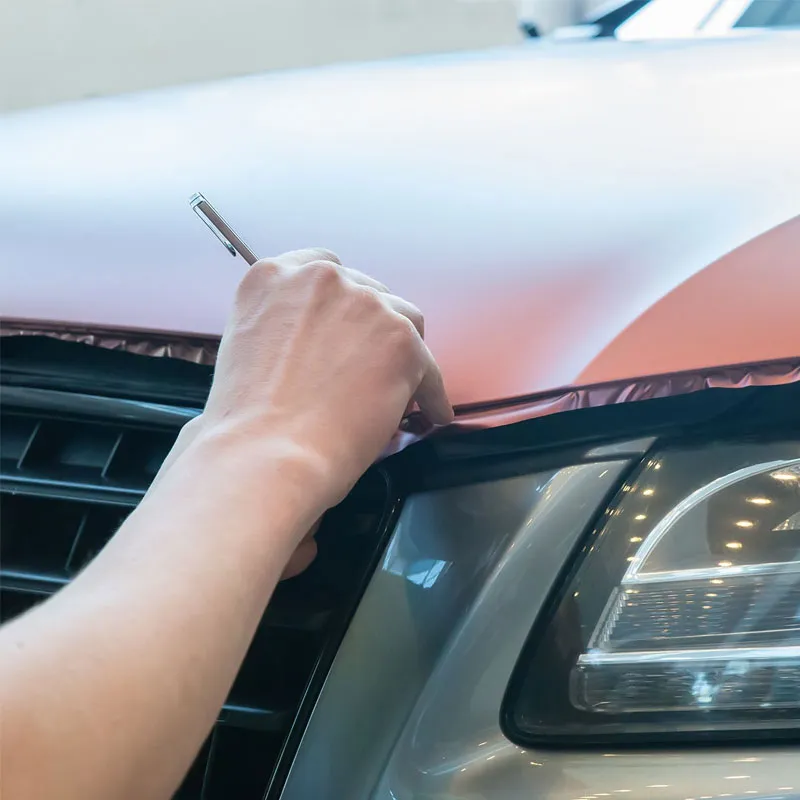
Polypropylene (PP) protective film is a thin, flexible sheet applied to surfaces to prevent scratches, dust, and damage during manufacturing, transport, or installation. It combines low weight with reliable protection, making it a popular choice across industries from electronics to furniture. This guide covers everything you need to know about PP protective film—properties, types, applications, selection tips, and practical installation and removal advice.
PP protective film is made from calendered or cast polypropylene resin and often includes a removable adhesive layer designed for temporary protection. It adheres to surfaces like glass, metal, painted panels, and plastic components, shielding finishes from abrasions, moisture, and contamination until the end user removes it.
Manufacturing typically involves extrusion or calendering of polypropylene, followed by coating a pressure-sensitive adhesive (PSA) and a liner if required. Additives and surface textures—matte, glossy, or frosted—are applied based on end-use requirements.
PP protective films are produced in multiple variants tailored to different use-cases:
PP film is versatile and used across many industries. Typical applications include:
| Property | PP Film | PE Film | PET Film |
|---|---|---|---|
| Stiffness | Moderate | Flexible | High |
| Temperature Resistance | Good (select grades for high temp) | Lower | Excellent |
| Clarity / Finish | Clear to frosted | Translucent to clear | High clarity, glossy |
| Typical Uses | Panels, glass, floors | Temporary wraps, packaging | High-end protective layers, optics |
| Spec | Range / Value |
|---|---|
| Thickness | 20–200 μm (0.02–0.2 mm) |
| Adhesion (peel) | Low to high tack (5–500 g/in) |
| Service Temperature | -20°C to 120°C (grade-dependent) |
| Typical Widths | Custom: from 10 mm to roll widths >1 m |
Selecting the correct film hinges on surface type, expected duration of protection, and environmental conditions:
Clean the surface of dust and oils before applying film. Smooth application with a felt squeegee reduces trapped air and prevents edge lifting. For removal, peel slowly at a low angle; if any adhesive residue remains, use a suitable solvent recommended for the substrate.
PP is generally recyclable where facilities accept polypropylene films. Check local recycling rules and consider requesting a film with recyclable resin or lower adhesive content to simplify recycling. Many manufacturers now offer take-back or guidance on proper disposal.
For OEM or large projects, you can order custom widths, colors, prints, or adhesive strengths. Pulivk (https://pvcfilmtec.com/) produces calendered and specialty films with in-house printing and split-packaging capabilities—suitable for private label and tailored orders.
Q: Will PP film leave residue? A: Correctly specified PP films are designed for clean removal, but always test on a sample surface.
Q: Can I use PP film outdoors? A: Short-term outdoor protection is possible, but UV exposure and heat can degrade adhesive over time—use UV-resistant grades for extended outdoor use.
PP protective film offers an excellent balance of protection, cost-efficiency, and customization. For manufacturers, installers, and specifiers, choosing the right grade and testing on real parts are the keys to success.