Address
304 North Cardinal St.
Dorchester Center, MA 02124
Work Hours
Monday to Friday: 7AM - 7PM
Weekend: 10AM - 5PM
Address
304 North Cardinal St.
Dorchester Center, MA 02124
Work Hours
Monday to Friday: 7AM - 7PM
Weekend: 10AM - 5PM


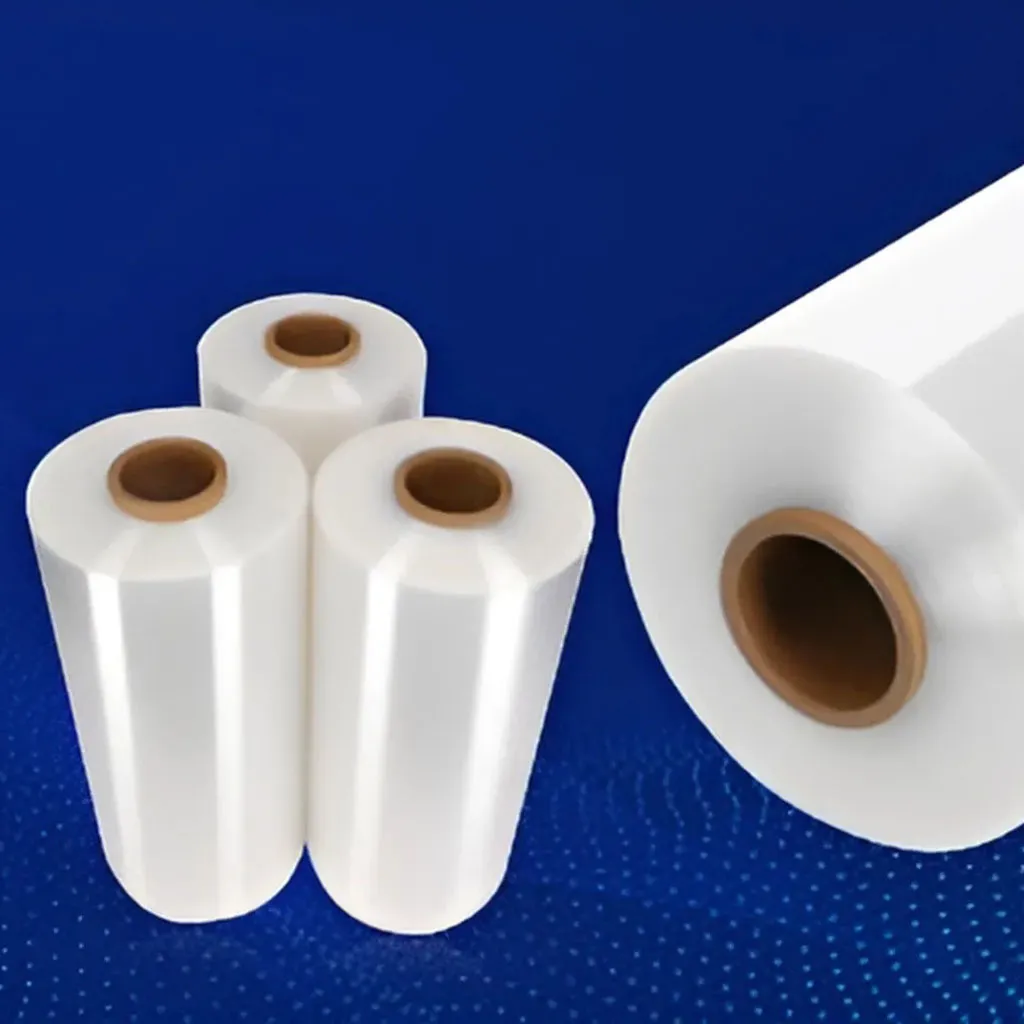
Modified Atmosphere Packaging (MAP) film is a specialized plastic film used to extend the shelf life of fresh food and perishable goods by altering the gas composition around the product. By reducing oxygen and adjusting levels of carbon dioxide and nitrogen, MAP films slow down spoilage, preserve texture and color, and help food reach consumers in better condition.
MAP works by creating a controlled internal atmosphere inside the package. Typical target gas mixes depend on the product: fresh meat often requires low oxygen and higher CO2 to reduce bacterial growth, while many fruits and vegetables benefit from slightly higher oxygen and reduced ethylene build-up. The film’s permeability controls gas exchange and maintains the balance over time.
Oxygen reduction to slow aerobic microbial growth and oxidation; CO2 elevation to inhibit anaerobic and spoilage organisms; Inert gas (nitrogen) to act as a filler and prevent package collapse. The film’s selective permeability and barrier properties are central to maintaining these conditions.
Different MAP films are engineered for product-specific needs. Common categories include:
High barrier films with very low oxygen transmission rates (OTR) for vacuum-like environments; Micro-perforated films for fresh produce that requires gas exchange; and Active films that incorporate scavengers or emitters (e.g., oxygen scavengers, antimicrobial additives) to maintain optimum conditions.
Materials used include multilayer PET/PE, PA/PE laminates, EVOH blends, and specially treated PVC or calendered films where mechanical strength, printability, and barrier properties are balanced for each application.
MAP films are widely used across food categories and beyond:
– Fresh meat, poultry and fish to keep color and reduce bacterial growth;
– Ready-to-eat salads and cut fruit to preserve crispness and prevent browning;
– Bakery items and cheese to extend freshness without preservatives;
– Medical or electronic components where humidity and oxygen control matter.
Extended shelf life: MAP can significantly increase shelf life—often from days to weeks—by controlling microbial growth and oxidation. Reduced food waste: Longer shelf life means lower spoilage rates for retailers and consumers. Better appearance and taste: Preserving color and texture enhances consumer acceptance.
MAP helps manufacturers and retailers reduce cold chain pressure, optimize logistics, and decrease returns. Packaging designs can also incorporate branding and high-quality printing without sacrificing barrier performance.
| Film Type | Best For | Key Property |
|---|---|---|
| High barrier multilayer | Meat, cheese, processed foods | Very low OTR, high puncture resistance |
| Micro-perforated film | Fresh produce | Controlled gas exchange for respiration |
| Active/functional film | High-value fresh items | Integrated scavengers/antimicrobials |
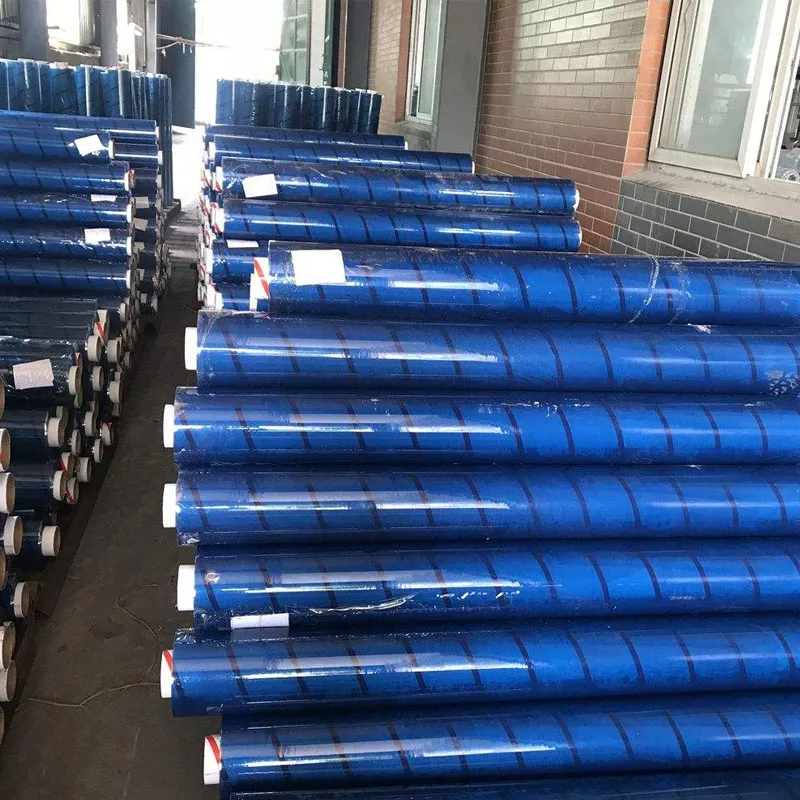
Our factory is equipped with calendering lines, printing capabilities and split-packaging lines to handle every production step in-house. This allows reliable quality control, flexible OEM options for size, color and print, and faster lead times for customers. If you need tailored MAP film—whether printed retail packaging or specialized barrier laminates—this integrated setup supports consistent results.
Regulatory compliance is critical: films intended for food contact must meet local and international standards (e.g., FDA, EU food contact regulations). Ask your supplier for migration test reports and certifications. For sustainability, consider films with recyclability or lower material mass, or those compatible with existing recycling streams—plus films that reduce food waste contribute to environmental benefits over the full product lifecycle.
Choose the film based on product respiration rates, expected shelf life, distribution conditions, and display requirements. Validate MAP conditions with pilot trials and shelf-life studies. Train packing-line staff on sealing, gas flushing, and storage to maintain performance.
Q: Can MAP replace refrigeration?
A: No. MAP complements refrigeration by slowing spoilage mechanisms, but it works best combined with proper cold chain management.
If you’re evaluating MAP films for a product line, review barrier needs, printing and mechanical requirements, and request technical datasheets and pilot samples. For manufacturing partners, visit https://pvcfilmtec.com/ for production details and sample requests. Pulivk can support tailored MAP film solutions with full in-house production and flexible OEM options.