Address
304 North Cardinal St.
Dorchester Center, MA 02124
Work Hours
Monday to Friday: 7AM - 7PM
Weekend: 10AM - 5PM
Address
304 North Cardinal St.
Dorchester Center, MA 02124
Work Hours
Monday to Friday: 7AM - 7PM
Weekend: 10AM - 5PM


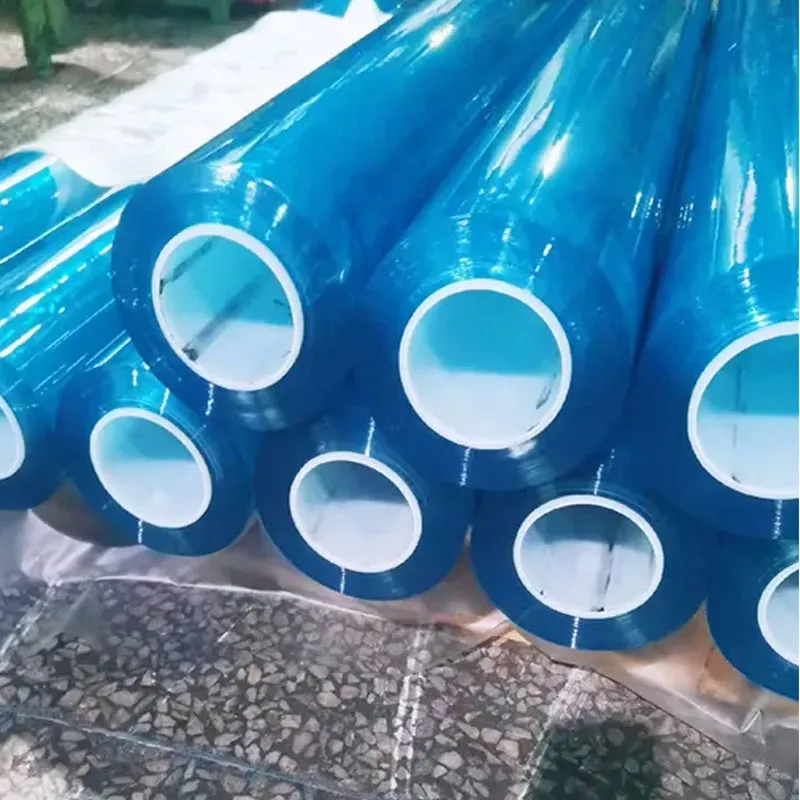
PVC film is a versatile, cost-effective material widely used across the electronics industry for protection, insulation, and surface finishing. Its combination of flexibility, chemical resistance, and printable surface makes it a staple for manufacturers seeking reliable film solutions that balance performance with budget. This guide explores the most common electronics applications for PVC film and the benefits each use delivers.
PVC film offers a unique mix of mechanical strength, dielectric properties, and surface customization. These attributes allow it to serve as insulation, protective covers, adhesive layers, and decorative or functional surface finishes. For many electronics makers, PVC film is a practical alternative to more expensive polymers when the application doesn’t demand extreme temperature tolerance.
Insulation & wire jacketing: Thin PVC films act as primary or secondary insulation for wires, cables, and flat flex circuits. They protect conductors from abrasion and moisture while maintaining flexibility for routing and bending.
Flexible printed circuit (FPC) overlays: PVC films are sometimes used as protective overlays and backing layers in lower-cost flexible circuits where ultra-high temperature resistance isn’t required. Their printable surface enables marking and branding directly on the film.
Display protection and touchscreen laminates: Scratch-resistant and anti-glare PVC varieties protect LCD/OLED panels during assembly and shipping. Specialty films with anti-static or anti-fingerprint coatings improve user experience and reduce handling damage.
Adhesive assembly films & die-cut components: Self-adhesive PVC films simplify component mounting, temporary masking, and label applications. Die-cut PVC parts are used for gaskets, spacers, and protective tabs in electronics assembly.
EMI/thermal shielding (metallized or laminated films): Metallized PVC laminates or PVC combined with conductive layers can be used for low-cost electromagnetic interference (EMI) shielding and heat distribution in some consumer electronic designs.
| PVC Film Type | Common Electronics Use | Primary Benefit |
|---|---|---|
| Transparent/glossy PVC | Panel protection, display overlays | High clarity, scratch resistance |
| Frosted/matte PVC | Anti-glare display films, diffusers | Reduced reflections, uniform diffusion |
| Printable/colored PVC | Button overlays, decorative panels | Branding, visual customization |
| Antistatic/antirust PVC | ESD-safe packaging, assembly masks | Protects sensitive components from static |
| Metallized PVC laminates | EMI shielding layers, thermal films | Conductivity and heat distribution |
When sourcing PVC film for electronics, prioritize suppliers with full in-house production and strict quality control to ensure lot-to-lot consistency. Look for flexible OEM support for tailored thickness, print, adhesive strengths, and slit widths that match your assembly process. Reliable lead times and attentive QC reduce downtime and scrap in electronics manufacturing.
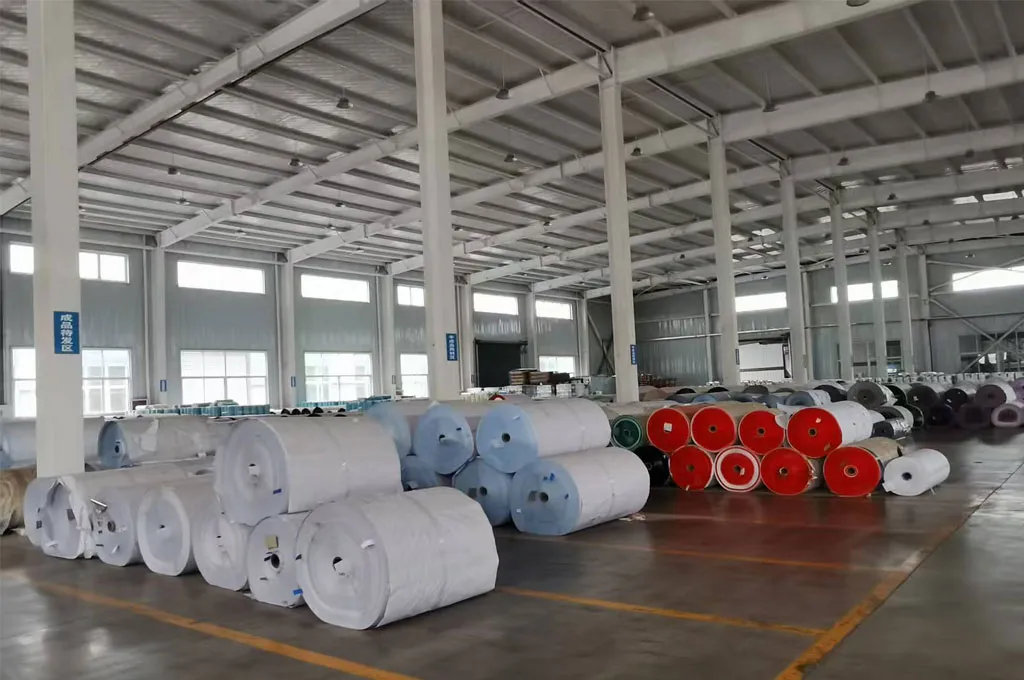
Pulivk operates calendering, printing, and split-packaging lines that enable end-to-end control—from raw material compounding to finished, labeled rolls—helping partners optimize cost and delivery while meeting custom specifications.
Match film chemistry and coatings to the operating environment: choose antistatic films for ESD-sensitive assemblies, metallized laminates for EMI concerns, and higher-clarity films where visual quality matters. Request pre-production samples and compatibility testing with adhesives, inks, and assembly temperatures to avoid integration issues.
PVC film remains a practical, adaptable material in electronics manufacturing—ideal for protective layers, decorative overlays, insulation, and cost-sensitive shielding solutions. Selecting the right film type and working with a supplier capable of precise custom runs improves product reliability and reduces assembly risk.