Address
304 North Cardinal St.
Dorchester Center, MA 02124
Work Hours
Monday to Friday: 7AM - 7PM
Weekend: 10AM - 5PM
Address
304 North Cardinal St.
Dorchester Center, MA 02124
Work Hours
Monday to Friday: 7AM - 7PM
Weekend: 10AM - 5PM



 ByPulivk
Finding a reliable air duct film supplier in Mexico means balancing product performance, regulatory compliance, and local logistics. Whether you are an HVAC contractor in Monterrey, a building materials distributor in Mexico City, or an industrial buyer near Guadalajara, this guide will help you identify trustworthy manufacturers and streamline your sourcing process.
Air duct film used in HVAC and ventilation systems must meet specific functional requirements: flame retardancy, temperature stability, low off-gassing, and long-term adhesion. In Mexico, consider climatic factors (high humidity in coastal areas, large temperature swings inland) and common installation practices when specifying film thickness, coating, and anti-static or anti-microbial properties.
Flame rating: compliance with local fire safety rules and international norms.
Thermal tolerance: suitable for sustained temperatures inside ductwork and near equipment.
Adhesion & longevity: tested for peeling, humidity resistance, and UV exposure when ducts are partly exposed.
Start with a multi-channel search: local Mexican distributors, online B2B marketplaces (Alibaba, GlobalSources), manufacturing directories, and specialized HVAC trade shows in Mexico and the U.S. Cross-border sourcing is common—look for suppliers with proven export experience and logistics options to Mexican ports like Manzanillo or Veracruz.
Industry shows & expos: Exhibitions in Monterrey and Mexico City attract regional buyers and Latin American reps.
Local distributors & fabricators: Many Mexican installers prefer working through established local partners who can repackage or cut rolls to size and provide technical support.
When contacting potential suppliers, request clear documentation and sample materials. Evaluate them on certifications, production capability, sampling policy, and after-sales support. For imports, ask about HS codes, customs paperwork, and experience handling Mexican regulations.
| Evaluation Criteria | What to Ask | Why It Matters |
|---|---|---|
| Certifications | Test reports, flame ratings, ISO | Ensures safety & quality |
| Minimum Order Quantity | MOQ, roll sizes, split-pack options | Matches your inventory needs |
| Lead Time | Typical production & shipping days | Project scheduling |
| Customization | Prints, widths, finishes | Branding & fit-for-purpose |
| Price & Terms | FOB/CIF quotes, payment terms | Cost forecasting |
Always test real samples in your local environment. A single trial batch helps you check adhesion, flame behavior, and handling during installation before ramping up to larger orders.
Plan for import lead times and customs clearance. Mexico enforces specific product standards (such as NOMs in some sectors); even if film itself isn’t always regulated, components used in HVAC systems may require documentation. Work with suppliers who can provide accurate HS codes, packing lists, and export paperwork to avoid delays at Mexican ports.
Smaller Mexican installers often prefer split-pack rolls and labeled cartons for easy resale. Large construction projects will ask for traceability and extended warranties—confirm these before signing long-term contracts.
1) Sample set including different thicknesses and a flame test report.
2) Production lead time & MOQ for standard and customized widths.
3) Packing & split-roll options for local resale or direct installation.
4) Export references to Mexico or Latin America and shipping terms.
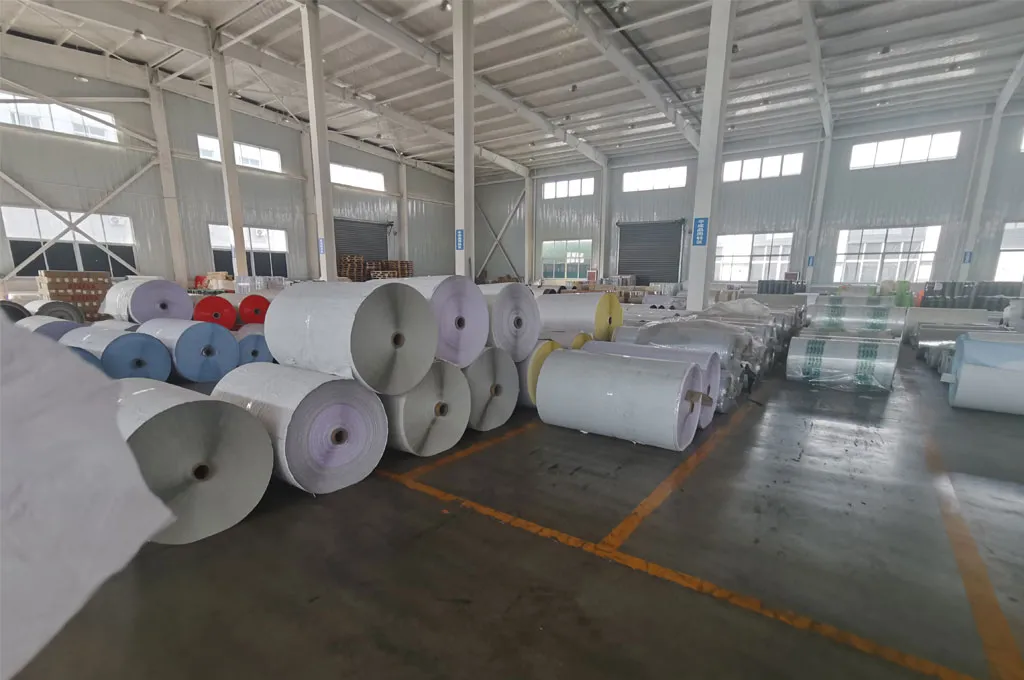
For buyers seeking a full-production partner with OEM flexibility and export experience, consider Pulivk — a factory-equipped supplier offering calendering, printing, split-packaging, and strict QC across the production chain. Their capabilities make them suitable for varied air duct film needs, from custom colors and sizes to stable lead times for export markets.
Shortlist 3–5 suppliers, request samples, confirm certifications, and compare CIF or FOB quotes to your nearest Mexican port. Arrange a small pilot order to verify product performance on-site before committing to larger volumes.
Prioritize suppliers who combine technical transparency, factory visits or virtual tours, and local logistics support—this combination reduces risk and keeps projects on schedule across Mexico’s diverse regions.