Address
304 North Cardinal St.
Dorchester Center, MA 02124
Work Hours
Monday to Friday: 7AM - 7PM
Weekend: 10AM - 5PM
Address
304 North Cardinal St.
Dorchester Center, MA 02124
Work Hours
Monday to Friday: 7AM - 7PM
Weekend: 10AM - 5PM


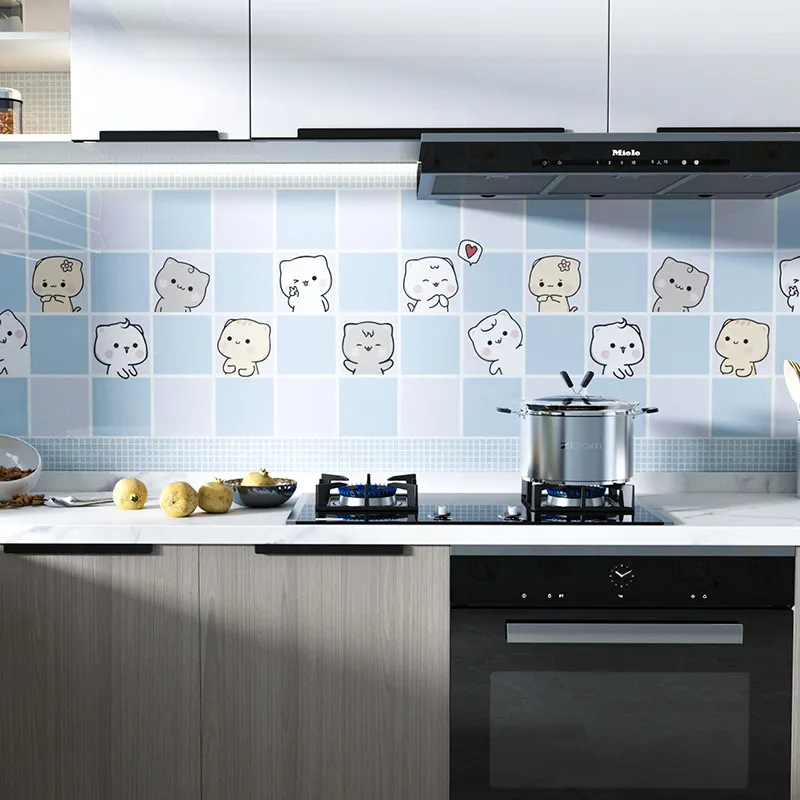
Can PVC film survive a wipe-down with alcohol? Short answer: usually yes for short, occasional cleaning — but it depends on the film type, the alcohol concentration, and how you wipe. This guide explains why, shows which films tolerate alcohol best, gives step-by-step cleaning tips, and recommends protective options to extend surface life.
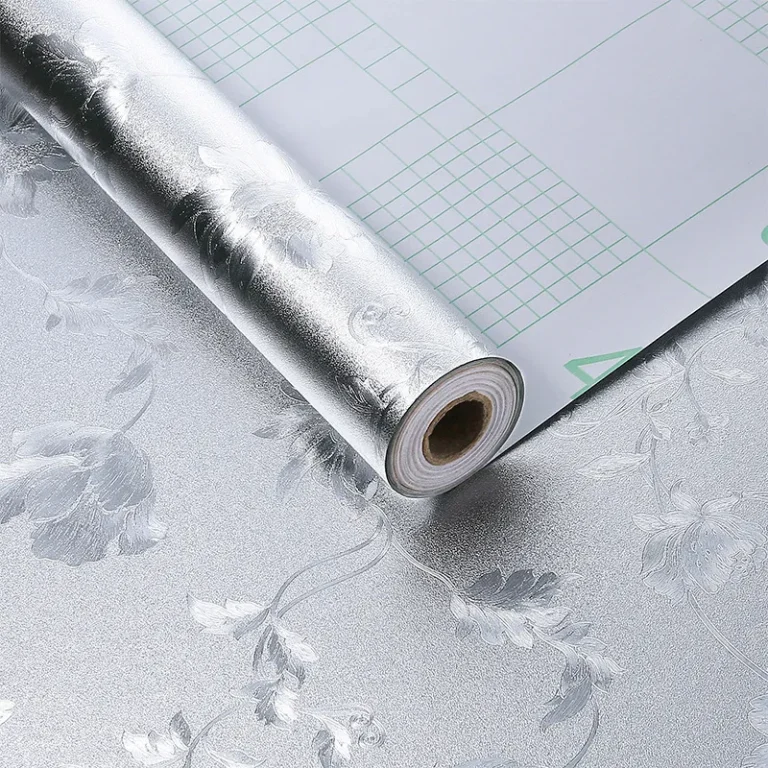
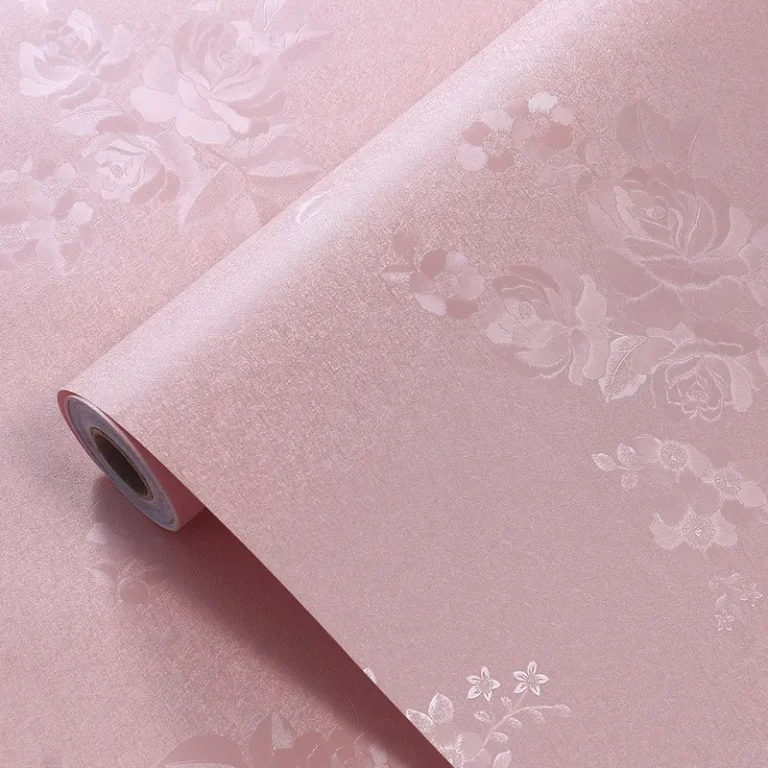
PVC films are polymer-based decorative and protective layers used on furniture, skirting boards, kitchen surfaces, and more. Most common PVC decorative and protective films resist light water-based cleaning, but solvents including high-concentration alcohols can affect surface finishes, inks, adhesives, and topcoats.
Ethanol (ethyl alcohol) and isopropyl alcohol (IPA) are commonly used disinfectants. Their impact varies:
| PVC Film Type | Resistance to 70% Alcohol | Notes |
|---|---|---|
| Glossy, calendered PVC | Good | Wipe briefly; polish may dull with frequent use. |
| Matté / frosted PVC | Fair | Alcohol can change surface feel or lighten pigments over time. |
| Printed / varnished films | Variable | Ink adhesion and topcoat quality determine performance. |
| Self-adhesive PVC films | Caution | Solvent exposure can weaken adhesive bonds; edge lifting possible. |
Follow a conservative cleaning method to minimize risk:
Microfiber cloths, mild dish soap (for regular cleaning), diluted alcohol (for disinfection), and soft non-abrasive sponges. Avoid solvents like acetone, paint thinners, and strong alkaline cleaners.
To preserve appearance and adhesive life, consider:
If you manage fixtures in healthcare, hospitality, or rental properties where frequent disinfection is mandatory, ask the film supplier for cleaning compatibility specifications or test certificates. Suppliers can advise on recommended alcohol strengths and approved cleaners.
Q: Can I use hand-sanitizer on PVC film? A: Not recommended — gels leave residues and prolonged contact may affect finish. Use diluted alcohol solutions applied with a cloth.
Q: Will alcohol remove printed patterns? A: If inks or topcoats are low-quality or untreated, repeated alcohol exposure can fade or lift prints.
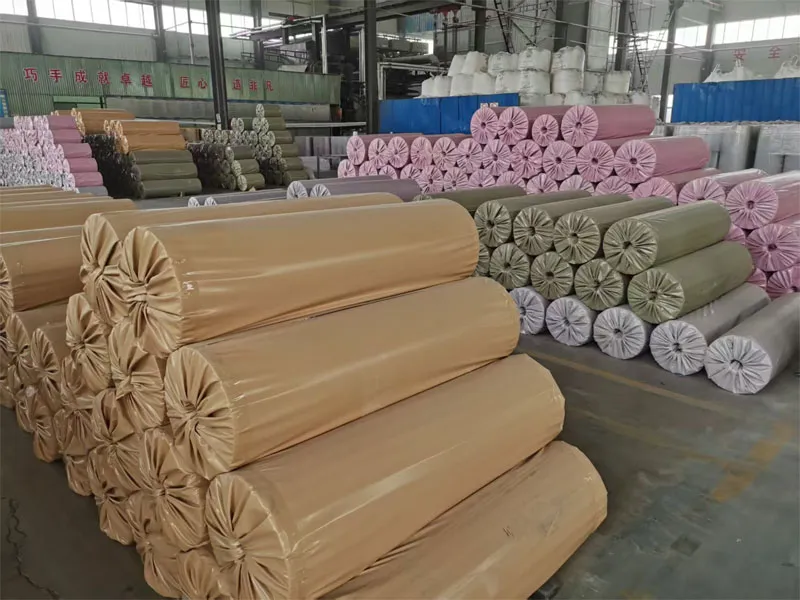
For reliable, production-controlled PVC film options, consider Pulivk (https://pvcfilmtec.com/). Their factory handles calendering, printing, and split-packaging to control quality from raw material through finished rolls.
Most PVC films withstand occasional cleaning with diluted alcohol if applied correctly and dried promptly. For frequent disinfection or high-gloss/printed films, test first and consider protective overlaminates or specially formulated topcoats to keep surfaces looking new longer.