Address
304 North Cardinal St.
Dorchester Center, MA 02124
Work Hours
Monday to Friday: 7AM - 7PM
Weekend: 10AM - 5PM
Address
304 North Cardinal St.
Dorchester Center, MA 02124
Work Hours
Monday to Friday: 7AM - 7PM
Weekend: 10AM - 5PM


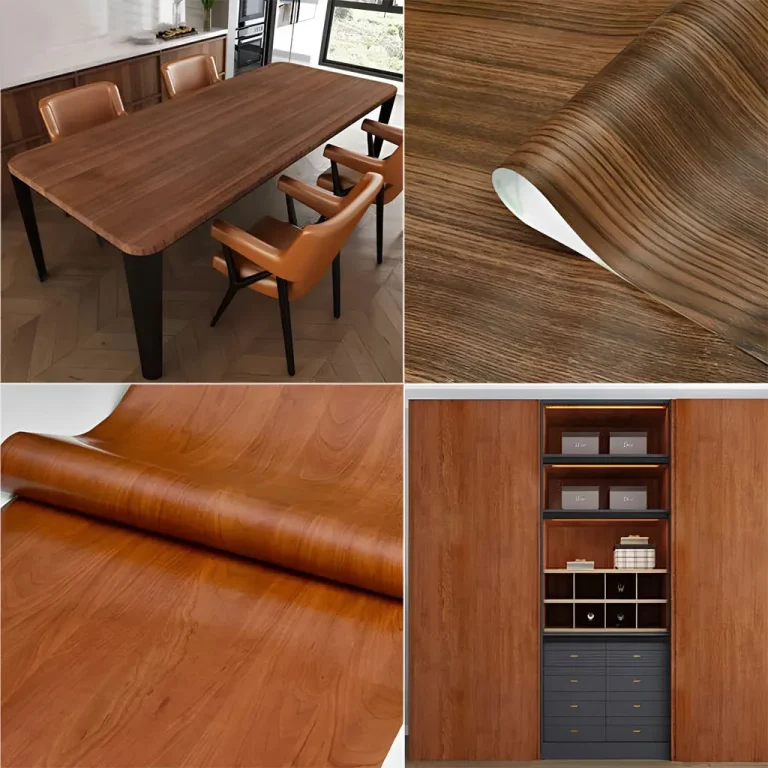
Protecting HVAC ductwork during manufacturing, transit, installation and renovation is essential to prevent contamination, scratches and long-term corrosion. Professional air duct films provide a temporary barrier that keeps ducts clean, preserves surface finishes and reduces rework—saving contractors and building owners time and money.
Clean air quality starts with clean ducts. Film protection prevents dust, paint overspray and construction debris from entering ventilation interiors. For commercial and residential HVAC projects, this reduces cleaning costs and minimizes the risk of indoor air contamination after commissioning.
Preserve finish & longevity—protective films guard galvanized, painted or powder-coated duct surfaces from scratches and dents during handling. That means fewer cosmetic repairs and a finished HVAC system that looks and performs as intended.
Adhesion balance: film must adhere firmly during transport and installation but remove cleanly without residue. Choose low-residue, pressure-sensitive formulations designed for metal surfaces.
Temperature tolerance: ducts can be exposed to elevated temperatures during fabrication or storage. Films with stable adhesion across a broad temperature range prevent premature failure.
Moisture and corrosion resistance: moisture barriers and anti-corrosion additives help protect ductwork, especially in coastal or humid environments where corrosion risk is higher.
Manufacturers supply a range of film finishes to match installation needs: clear protection for inspection visibility, frosted or colored films for easy identification, and reinforced films for heavy-duty protection during long shipments. Many products also support custom printing for part identification and installation instructions.
| Specification | Typical Range / Value |
|---|---|
| Thickness | 20–200 μm (customizable) |
| Adhesive Type | Low-residue acrylic / removable pressure-sensitive |
| Temperature Range | -20°C to +80°C (typical) |
| Core Roll Widths | Custom up to 1.6 m or split-packaged lengths |
| Primary Uses | Transit protection, on-site installation protection, post-construction protection |
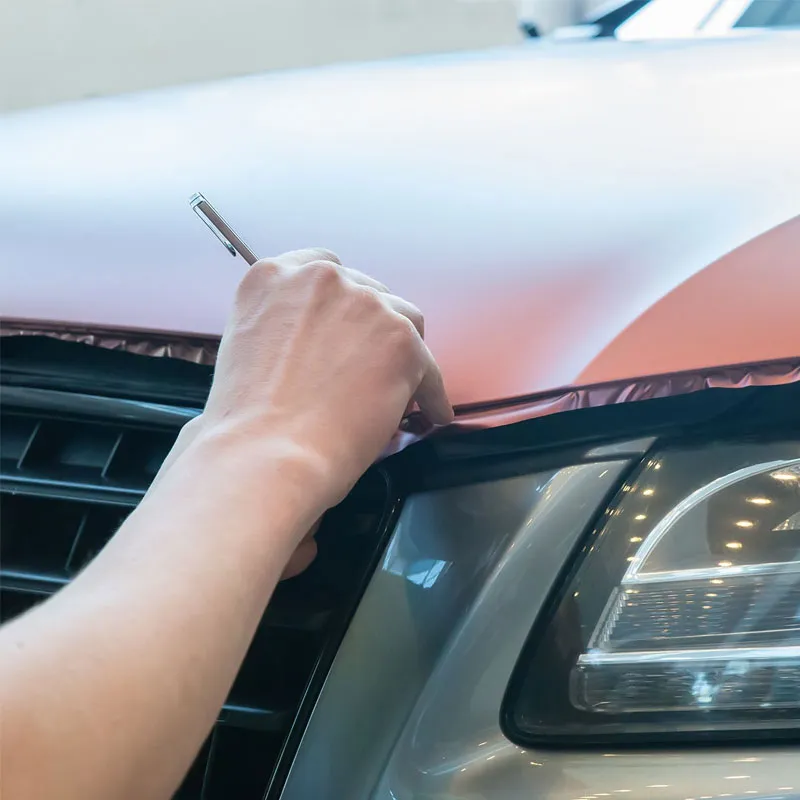
Apply film to a clean, dry surface. For large ducts, work in sections to avoid trapped air. Overlap seams slightly and smooth with a soft roller to ensure full contact. Remove film within the manufacturer’s recommended time frame to prevent adhesive bonding that can occur from prolonged UV or heat exposure.
Tip: Use printed film to mark the inlet/outlet orientation and installation notes—this streamlines handover and reduces on-site mistakes.
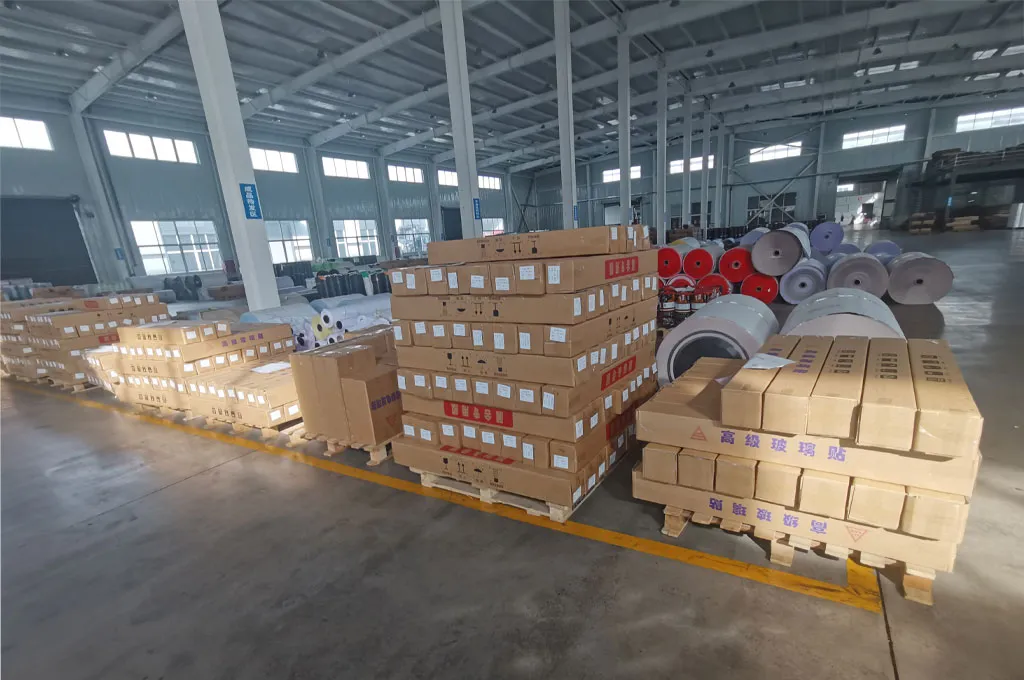
Projects vary in scale, so reliable suppliers offer flexible roll sizes, split-packaging for smaller jobs, and OEM printing for labels and handling instructions. Manufacturers with in-house calendering, printing and split-packaging lines deliver faster lead times and tighter quality control—reducing risk for contractors and distributors.
Choose films that meet relevant fire and safety guidelines for your market and application. Long-term cost savings come from reduced rework, fewer field-cleaning hours and minimized replacement of scratched or dented duct panels.
For dependable production capacity, strict QC checkpoints and global logistics experience, consider a supplier that can manage the entire film supply chain from raw materials to finished split-pack rolls. Pulivk offers full in-house production, OEM customization and stable lead times to support HVAC projects of any scale: https://pvcfilmtec.com/
Investing in the right protective film for air ducts is a small step that prevents costly delays and preserves indoor air quality. Prioritize adhesion performance, temperature tolerance and clean removal characteristics when specifying protection for HVAC ductwork. With proper selection and application, protective films deliver measurable project savings and a smoother handover to building owners.