Address
304 North Cardinal St.
Dorchester Center, MA 02124
Work Hours
Monday to Friday: 7AM - 7PM
Weekend: 10AM - 5PM
Address
304 North Cardinal St.
Dorchester Center, MA 02124
Work Hours
Monday to Friday: 7AM - 7PM
Weekend: 10AM - 5PM


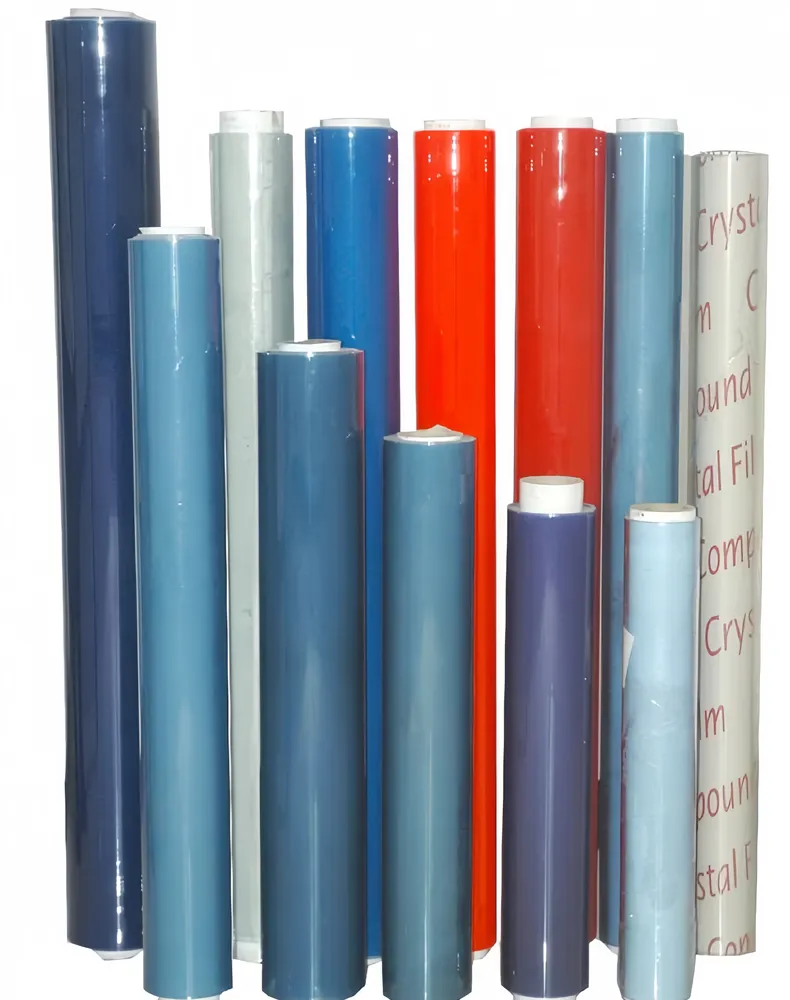
Understanding PVC film flexibility is essential for designers, manufacturers, and DIYers who rely on the material for wrapping, protective layers, flooring overlays, and decorative surfaces. This article breaks down what determines bending performance, how it’s tested, and practical guidelines to choose the right PVC film for applications that require repeated flexing or tight-radius wrapping.
Flexibility in PVC film refers to how easily the sheet can bend, conform to curves, and recover without cracking, delaminating, or losing adhesion. Key measurable properties related to flexibility include elongation at break, tensile strength, and minimum bending radius. For end users, flexibility also implies ease of installation (conforming around corners), durability under cyclic bending, and resistance to plasticizer migration.
Applications that demand good bending performance:
Poor bending performance can lead to visible cracks, loss of adhesion, or a shortened service life—especially in regions with high temperature variation.
Several manufacturing and material choices directly influence how well a PVC film bends:
Higher plasticizer levels generally increase flexibility and elongation but may reduce tensile strength and increase the risk of plasticizer migration. Modern formulations balance plasticizer migration resistance with softness for reliable long-term bending performance.
Thinner films naturally conform to tighter radii but may be less durable under abrasion. Multi-layer films (with a tough topcoat) can combine a flexible backing with a wear-resistant surface to improve overall performance.
Calendering parameters, orientation, and cooling rates affect molecular alignment and residual stress. Proper calendering reduces the risk of post-installation shrinkage and improves consistent bend behavior across rolls.
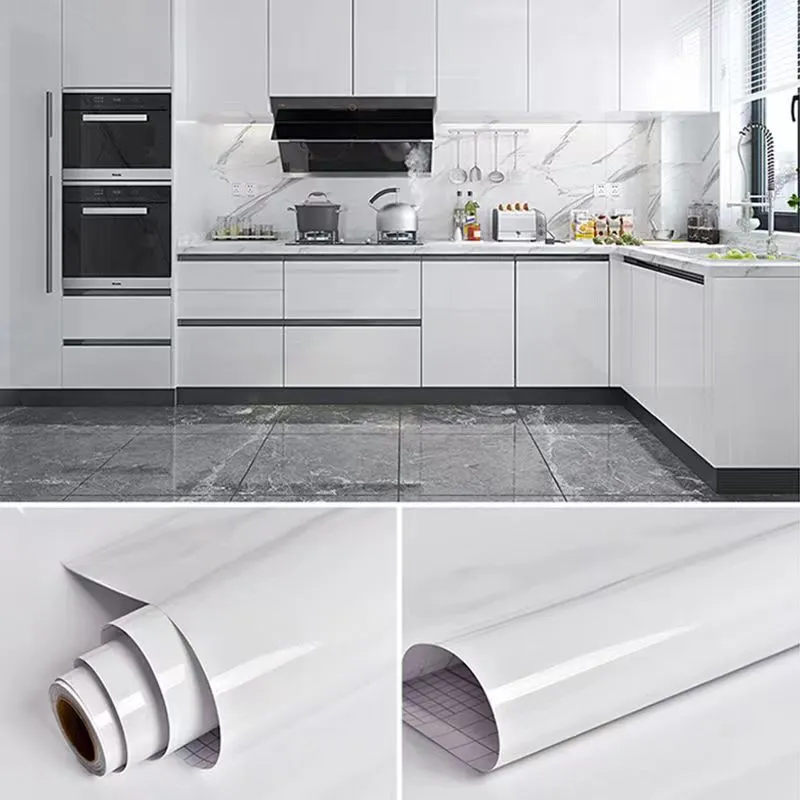
Common lab tests that indicate bending performance:
| Film Type | Thickness (mm) | Elongation at break (%) | Typical min bend radius | Flex fatigue (cycles) |
|---|---|---|---|---|
| Flexible calendered PVC (soft) | 0.08–0.15 | 150–350 | 0.5–2 mm (wraps tight corners) | 10,000+ |
| Medium stiffness PVC (decorative) | 0.15–0.30 | 100–200 | 2–6 mm | 5,000–15,000 |
| Rigid or reinforced film | >0.30 | <100 | >6 mm (not for tight wraps) | 1,000–5,000 |
A supplier with full in-house production can tune formulation, thickness, and surface treatments to meet specific bending performance targets. For example, Pulivk offers calendered lines and custom OEM services to create PVC films tailored to wrap tight radii or deliver higher flex fatigue life. Contact the factory to request technical datasheets and custom sample runs.