Address
304 North Cardinal St.
Dorchester Center, MA 02124
Work Hours
Monday to Friday: 7AM - 7PM
Weekend: 10AM - 5PM
Address
304 North Cardinal St.
Dorchester Center, MA 02124
Work Hours
Monday to Friday: 7AM - 7PM
Weekend: 10AM - 5PM


 ByPulivk
Photovoltaic EVA encapsulation film is the specially formulated ethylene-vinyl acetate (EVA) sheet used to encapsulate solar cells inside a photovoltaic (PV) module. It bonds cells, protects against moisture, cushions thermal cycling, and improves optical transmission—making it a core component of reliable solar panel packaging material.
EVA encapsulant acts as both an adhesive and protective barrier. During lamination, the EVA flows and then crosslinks to form a durable, tack-free layer that secures the cells to the glass and backsheet. Key functional roles include mechanical support, electrical insulation, enhanced light transmission, and long-term protection from humidity and ultraviolet (UV) exposure.
Manufacturers choose EVA for its cost-effectiveness, proven field performance, and compatibility with common lamination processes (vacuum-assisted heat lamination). Modern photovoltaic EVA films often include UV stabilizers, antioxidants, and anti-PID additives to improve lifetime and reliability.
When specifying EVA encapsulation film, both material formulation and processing attributes matter. Typical considerations include optical clarity, gel content after curing, peel and adhesion strength, melting and softening behavior, and long-term stability under damp heat and UV.
| Characteristic | Typical Value / Range | Why It Matters |
|---|---|---|
| Thickness | 0.25 mm – 1.5 mm (typical 0.45–0.75 mm) | Affects cushioning, lamination temperature, and material usage. |
| Gel content (post-cure) | > 50% – 75% (depending on crosslinking) | Higher gel indicates better crosslinking and thermal resistance. |
| Peel strength | Typically ≥ 5 N/cm (varies by test) | Ensures durable bonding to glass, cells, and backsheet. |
| Color / Haze | Clear to slightly amber; haze < 3% | Affects panel aesthetics and optical efficiency. |
| UV & thermal stability | Formulated for 20+ years outdoor exposure | Reduces yellowing, cracking, and module degradation. |
EVA film production uses calendering or extrusion to produce uniform sheets. Additives such as crosslinking agents (e.g., peroxides), UV absorbers, and adhesion promoters are blended into the base polymer before sheet forming. During lamination, the module stack (glass/EVA/cell/EVA/backsheet) is heated under vacuum and pressure; the EVA flows to encapsulate cells, then completes crosslinking to lock in mechanical and electrical properties.
Control of lamination curve (temperature, time, pressure) is critical — under-cure can leave a sticky film and poor adhesion, over-cure can cause embrittlement or cell stress.
Common long-term issues include yellowing, delamination, potential-induced degradation (PID), and bubbling from moisture ingress. Prevention strategies focus on high gel content, proven UV stabilizers, low moisture content before lamination, and careful selection of backsheet and glass combinations.
Testing under accelerated conditions (damp heat 85°C/85% RH, thermal cycling, UV exposure) helps predict field performance and catch problematic formulations early.
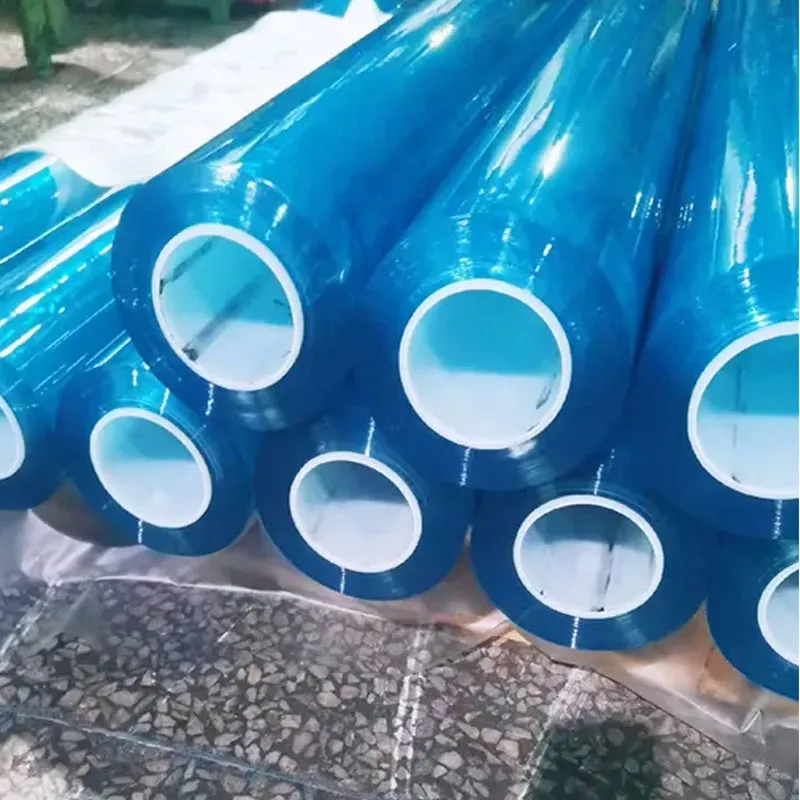
Select suppliers that demonstrate complete quality control and manufacturing capabilities: in-house calendering, controlled compounding, reliable crosslinking chemistry, and consistent testing. Important factors include flexible OEM options, capacity for split-packaging, sample testing support, and export experience for seamless logistics.
Look for suppliers who provide clear technical data sheets, allow custom thicknesses and coatings, and have traceable QC records for each batch.
Most PV modules are evaluated to IEC 61215 (durability and performance) and IEC 61730 (safety). Suppliers should also follow ISO 9001 quality systems and offer batch-level test reports covering gel content, peel strength, haze, and accelerated aging results.
• Confirm recommended lamination profile and expected gel content.
• Request accelerated aging test reports (damp heat, thermal cycling, UV).
• Check adhesion (peel) values with your glass/backsheet pairing.
• Verify customization options (thickness, printing, split-packaging) and lead times.
• Ensure traceable QC and export experience for your target markets.
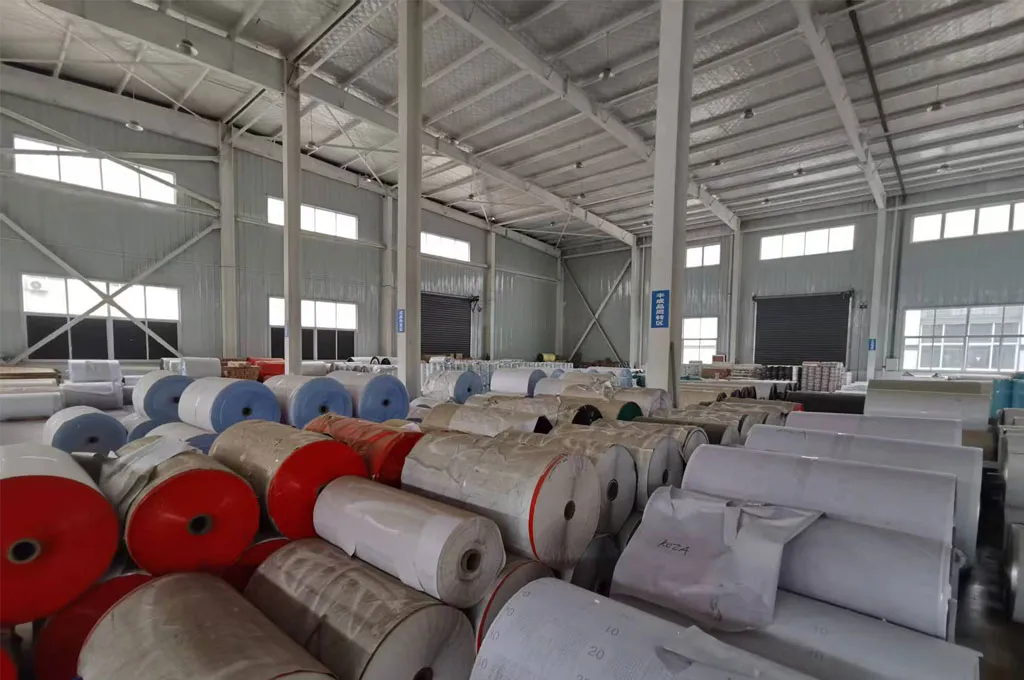
Pulivk — Henan Pulivk New Materials Co., Ltd. operates full in-house production with calendering, printing, and split-packaging lines to control quality from raw material to finished film. The factory supports OEM customization, strict QC checkpoints, stable lead times, and global export experience across Southeast Asia, the Middle East, Europe, and beyond.
Choosing the right photovoltaic EVA encapsulation film helps maximize module reliability and long-term energy yield. Pair technical specifications with supplier transparency and testing to reduce field risk and optimize your solar panel packaging material selection.