Address
304 North Cardinal St.
Dorchester Center, MA 02124
Work Hours
Monday to Friday: 7AM - 7PM
Weekend: 10AM - 5PM
Address
304 North Cardinal St.
Dorchester Center, MA 02124
Work Hours
Monday to Friday: 7AM - 7PM
Weekend: 10AM - 5PM


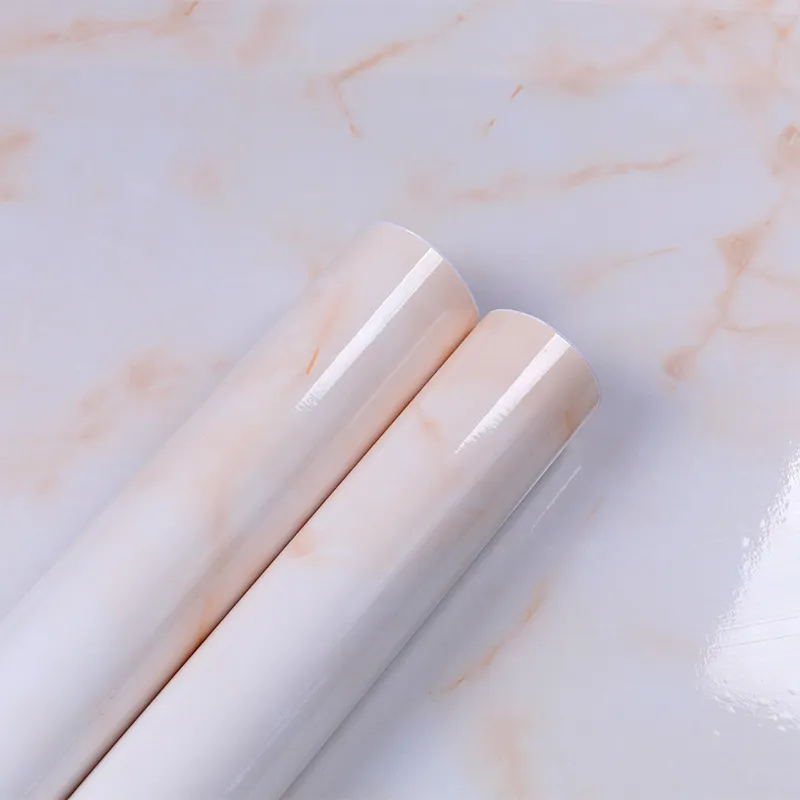
PVC door panel film lamination transforms ordinary substrate boards into durable, attractive door surfaces with consistent color, texture, and enhanced protection. This guide explains the full lamination workflow, key materials, process parameters, quality checks, and practical troubleshooting tips so manufacturers and finishers can achieve high-quality, long-lasting results for interior and exterior door panels.
PVC lamination offers cost-effective aesthetics, scratch resistance, moisture protection, and a wide range of finishes—from wood grain and marble effects to high-gloss and matte surfaces. Proper lamination ensures adhesion stability, uniform appearance, and minimal peeling across varied climates and usage patterns.
Durability: Improved impact and abrasion resistance.
Design flexibility: Unlimited prints, textures, and colors.
Cost efficiency: Less expensive than solid veneer or engineered wood coverings.
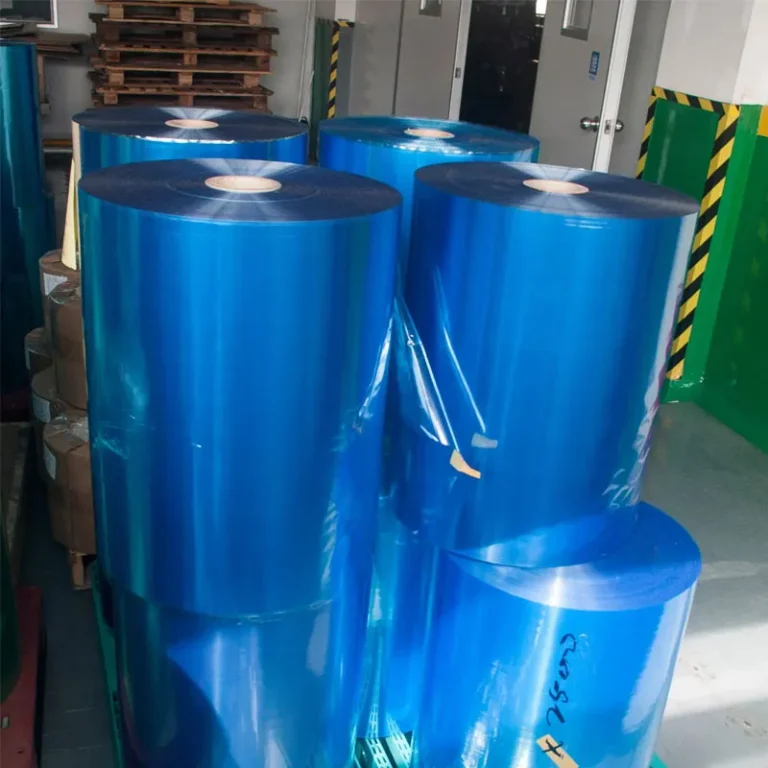
Selecting the right film and adhesives is essential. Typical components include PVC decorative film, primer or heat-activated adhesive, substrate (MDF, HDF, particle board), and finishing lacquer or UV coat where required. Equipment usually consists of a calendering or laminating line, pre-press or hot press, and trimming/edging machines.
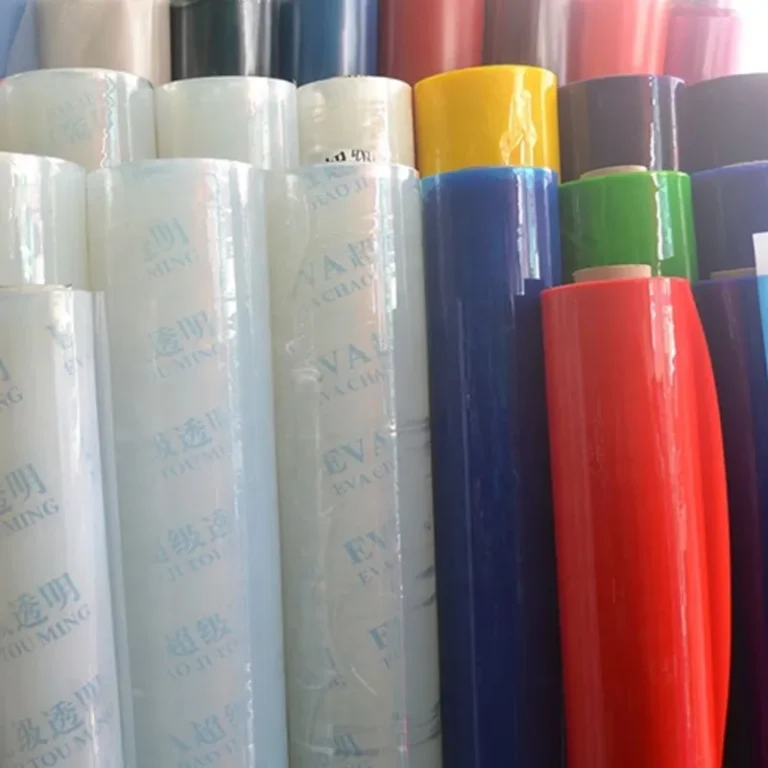
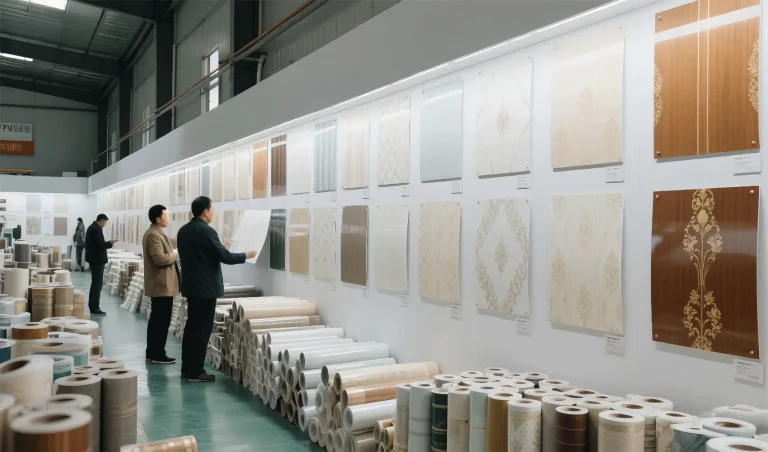
Film choices include wood-grain PVC, marble-pattern film, glossy and matte films, 3D silk texture, and anti-scratch variants. Match film thickness and backing type to door usage—thicker films (100–250 µm) provide more protection for high-traffic doors.
Ensure substrates are flat, clean, and dry. Sand edges and faces to remove dust and apply a compatible primer if the substrate is highly porous. Edge sealing prevents adhesive starvation and bubbling.
Use solvent-based or water-based adhesives for cold lamination; heat-activated adhesives (EVA/PO) or hot-melt adhesives are common for hot-press processes. Uniform adhesive coverage and correct pot life are critical for consistent bonding.
Control parameters precisely—temperature and pressure influence bond strength and appearance. Below is a quick reference table for standard PVC door lamination. Adjust based on film thickness and substrate type.
| Process Stage | Typical Range | Notes |
|---|---|---|
| Lamination Temperature | 120–160°C (hot press) | Higher for thicker films |
| Press Pressure | 2–6 MPa | Even distribution avoids bubbles |
| Line Speed | 0.8–3 m/min | Slow for thick decorative layers |
| Cooling Time | 5–30 min (depends on part size) | Controlled cooling minimizes curl |
Apply uniform pressure and allow gradual cooling to avoid delamination or warping. For continuous calendering lines, correct nip settings and roller temperatures are essential to maintain texture fidelity.
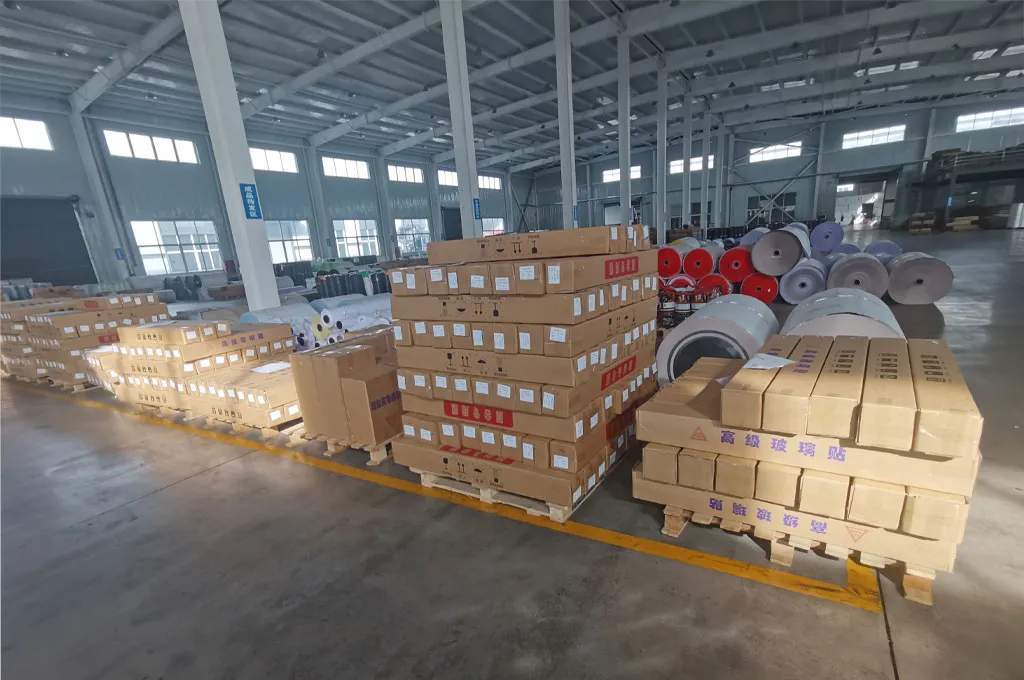
Perform adhesion peel tests, abrasion and scratch resistance checks, and humidity conditioning for weather-sensitive products. Visual inspection for color match and pattern repeat is vital when multiple panels are produced for the same door set.
Peel strength (N/cm)
Surface gloss and color consistency
Edge bonding and corner integrity
Causes: Insufficient adhesive, trapped moisture, incorrect temperature. Fix: Re-evaluate adhesive coverage, increase dwell time, and pre-dry substrates.
Often caused by uneven tension during calendering. Check roller alignment and control line speed during film laydown.
Door makers select films based on desired look and durability: wood-grain for classic interiors, marble or stone effect for premium styles, and anti-scratch mattes for high-traffic public spaces. Combining film types with UV coating can extend life spans further.
Choose low-VOC adhesives and responsibly produced PVC films where possible. Ensure proper ventilation during hot lamination and follow local waste-disposal regulations for trimming scraps.
Pulivk provides calendered and printed PVC films, full in-house processing, and OEM support to meet custom lamination needs with controlled lead times and consistent quality.
Substrate flatness & moisture content
Film type, thickness & backing compatibility
Adhesive selection and pot life
Calender/press settings logged for repeatability
Document successful process parameters for each film-substrate combination to accelerate future production and maintain consistent door panel finish quality.