Address
304 North Cardinal St.
Dorchester Center, MA 02124
Work Hours
Monday to Friday: 7AM - 7PM
Weekend: 10AM - 5PM
Address
304 North Cardinal St.
Dorchester Center, MA 02124
Work Hours
Monday to Friday: 7AM - 7PM
Weekend: 10AM - 5PM


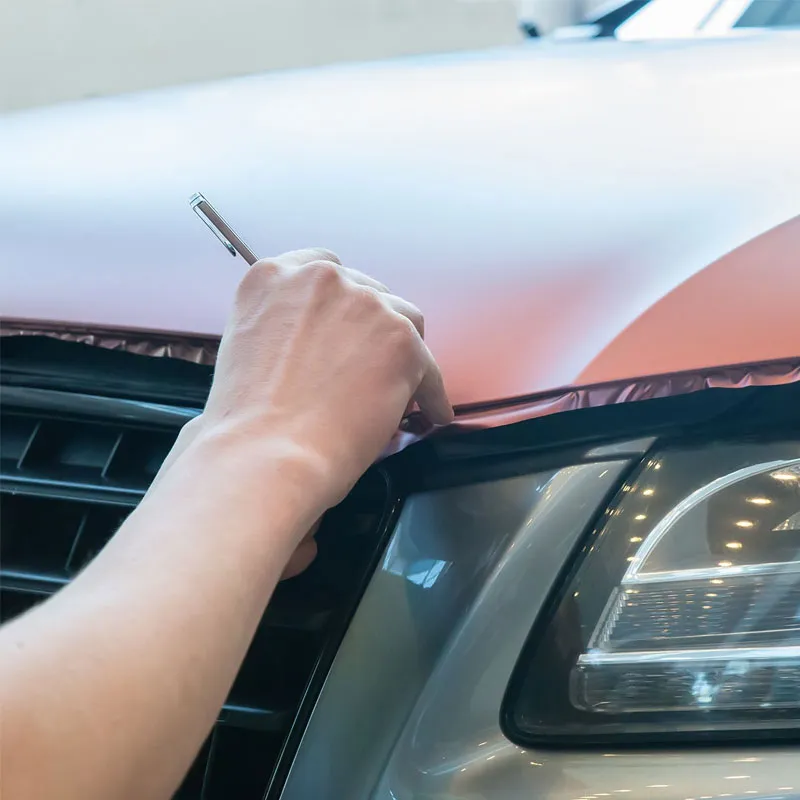
Curious how long PVC car film lasts and what determines its durability? This guide breaks down average lifespans, real-world durability factors, simple care routines, and clear signs that replacement is needed—so you can protect your vehicle’s finish and get the best value from a wrap or protective film.
PVC car film is a flexible, vinyl-based material applied to exterior panels for protection or styling. Available in matte, glossy, textured, printed, and metallic finishes, PVC film can serve as a protective layer against stone chips and light scratches or as a full-color change without paintwork. Films vary by formulation and manufacturing method, which affects longevity and finish retention.
Average lifespans depend on film quality, installation, and local conditions. Low-end films may last 1–3 years, mid-range options 3–6 years, and premium cast or UV-stabilized PVC films can last 7–10 years when properly installed and maintained.
| Film Type | Estimated Lifespan | Notes |
|---|---|---|
| Economy PVC (thin calendered) | 1–3 years | Good for short-term styling; fades faster under strong sun. |
| Mid-range PVC (UV-treated) | 3–6 years | Balanced cost and performance; suitable for most climates. |
| Premium cast PVC / UV-stable | 7–10+ years | Best durability, retains gloss/matte longer with proper care. |
| Protective thin films (clear) | 2–5 years | Designed for chip resistance; performance depends on adhesive and thickness. |
UV exposure: Sunlight breaks down pigments and plasticizers—cars parked outdoors in hot, sunny climates will see faster fading and brittleness. Installation quality: Poor surface prep or trapped contaminants cause early lifting. Climate & environment: Salt (coastal regions), pollution, and frequent temperature cycles accelerate wear. Care and chemicals: Harsh solvents, automatic brush washes, and abrasive cleaners shorten service life.
Simple routines greatly improve longevity. Wash with a soft microfiber and mild soap regularly to remove grit and pollutants. Rinse well to avoid residue. Avoid high-pressure nozzles directly at edges to prevent lifting. Do not use abrasive polishes or petrol-based solvents on PVC. For textured films, use gentle brushing and detail brushes for crevices.
Quick care checklist: park in shade when possible, hand-wash only, avoid automatic car washes with nylon brushes, fix edge lifting quickly, and use manufacturer-approved protectants sparingly.
Replace the film if you notice persistent peeling at seams, deep cracking, widespread fading, or adhesive failure that allows dirt and moisture underneath. If the film has become brittle or shows significant color shift, replacement is safer than attempting spot repairs, because underlying paint may be compromised over time.
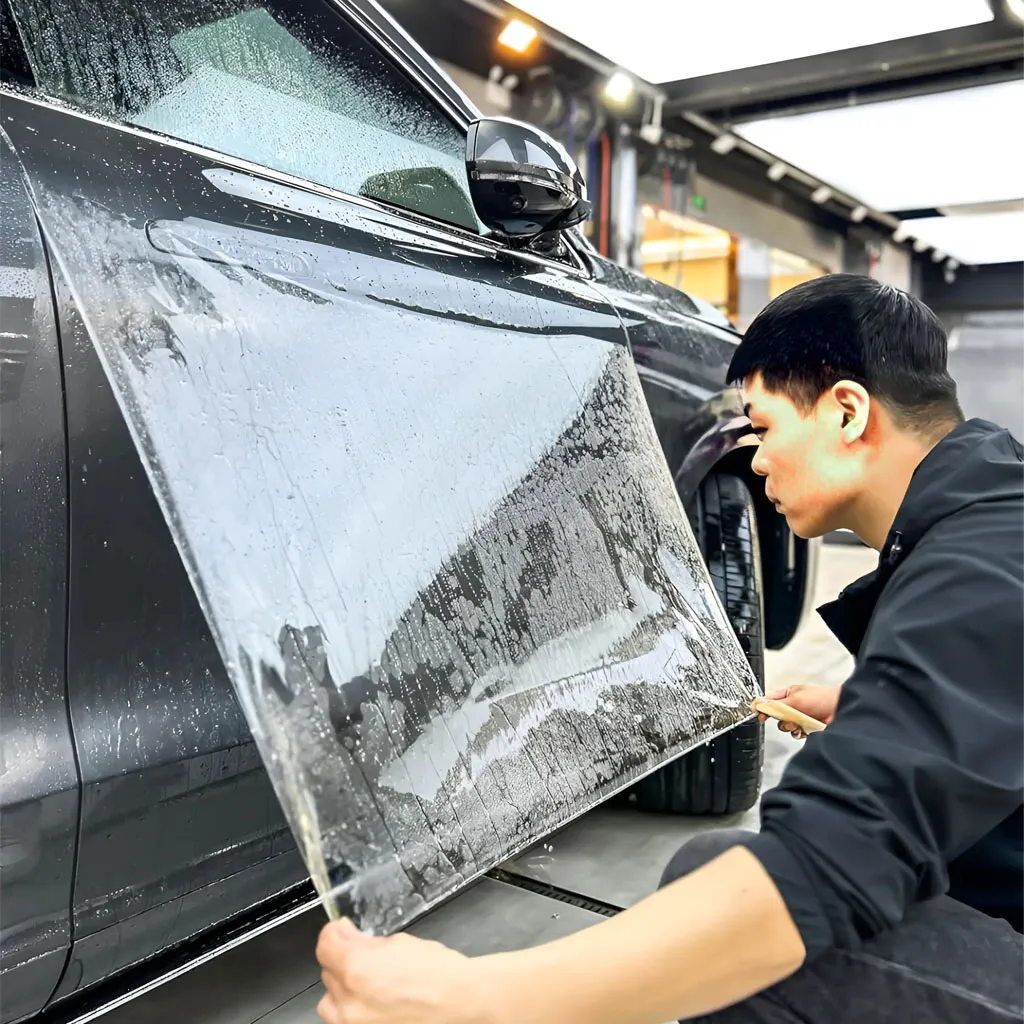
Professional removal minimizes the risk of paint damage, especially for long-applied films that have bonded tightly. A pro installer uses heat and adhesive removers safely—this is particularly important for high-value vehicles. Manufacturers and suppliers provide film-specific removal guidance; suppliers like Pulivk (https://pvcfilmtec.com/) can advise on product specs and OEM options.
PVC film offers a cost-effective way to protect paint and change appearance without repainting. For drivers who value customization and paint preservation, film typically pays back in reduced repair costs for chips and scratches. Choose the film grade based on how long you plan to keep the look and how much exposure your car gets.
1. Confirm film type (calendered vs cast) and UV stability. 2. Check warranty terms and real-world reviews. 3. Ask about recommended maintenance from the supplier. 4. Use a certified installer for full wraps and complex panels. 5. For protective clear films, verify thickness and adhesive compatibility with paint.
Summary: Expect 1–10+ years depending on film quality, climate, installation, and care. Investing in higher-grade film and following simple care steps will give the best long-term result and protect your vehicle’s finish.