Address
304 North Cardinal St.
Dorchester Center, MA 02124
Work Hours
Monday to Friday: 7AM - 7PM
Weekend: 10AM - 5PM
Address
304 North Cardinal St.
Dorchester Center, MA 02124
Work Hours
Monday to Friday: 7AM - 7PM
Weekend: 10AM - 5PM


 ByPulivk
Window insulation films are an affordable retrofit that promise lower energy bills, improved comfort, and UV protection. This guide explains how they work, the real benefits you can expect, best uses, and practical tips to help you decide whether a film solution is right for your home or business.
Most window films use thin layers of polyester, metalized coatings, or spectrally selective materials to reduce heat transfer and block ultraviolet (UV) rays. They either reflect or absorb solar heat, limiting the amount of infrared and UV radiation that passes through glass. In winter, some insulating films add a thin dead-air layer or low-emissivity (low-E) surface effect that reduces heat loss by radiation.
Energy savings: High-performance films can reduce cooling demand by 20–50% in hot months and cut winter heat loss modestly, depending on film type and window condition.
UV protection: Films typically block up to 99% of UV, protecting furnishings, fabrics, and artwork from fading.
Glare reduction: Tinted or reflective films minimize glare for more comfortable screens and workspaces.
Privacy & safety: Frosted or opaque films add daytime privacy without sacrificing light; thicker safety films help hold glass together on impact.
Cost-effective upgrade: Installation is usually cheaper than replacing windows and offers fast payback when cooling savings are significant.
Film selection matters: metalized (reflective) films excel at blocking solar heat; spectrally selective films balance visible light transmission with strong infrared rejection; low-E and insulating kits improve winter performance. Safety films are thicker and designed to resist shattering.
| Film Type | Solar Heat Rejection | Visible Light | Best Use |
|---|---|---|---|
| Reflective/Metalized | 40–70% | Low to Medium | Sun-facing commercial windows |
| Spectrally Selective | 30–60% | High | Homes seeking balance of light and heat control |
| Low-E / Insulating Kits | Modest cooling; up to 15–25% winter heat loss reduction | Very High | Cold climates, retrofit single-pane windows |
| Safety / Security | Variable | Clear to Tinted | Storm-prone areas, security-conscious sites |
Homes in hot, sunny regions often see the largest immediate savings because films reduce cooling loads. Expect 10–30% lower cooling energy use for many installations; in commercial buildings with large glass areas, savings can be higher. ROI depends on local energy costs, glass area, and film type—many projects pay back within 2–5 years.
South- and west-facing windows in warm climates—great for reducing AC runtime and glare.
Rooms with fading furniture or artwork—UV-blocking films add long-term protection.
Rental properties and offices where replacing windows is not feasible—films are a fast, lower-cost upgrade.
Single-pane windows in cold regions—insulating films or temporary kits help reduce drafts and heat loss.
DIY kits are widely available and work well on small, flat panes. Professional installation is recommended for large commercial façades, curved glass, or safety film applications to ensure long-term adhesion and warranty support. Proper surface prep and edge sealing make a major difference in film longevity.
Pros: Fast installation, lower upfront cost than window replacement, UV protection, glare reduction, potential energy savings.
Cons: Performance varies widely by product; reflective films can alter exterior appearance; some films may reduce visible light; durability depends on quality and installation.
Clean glass thoroughly—any residue compromises adhesion.
Measure carefully; cut slightly oversized for edge sealing when needed.
Allow film to dry and cure following manufacturer instructions—avoid aggressive cleaning for the first 30 days.
If you want measurable cooling savings, UV protection, or an affordable way to improve comfort and privacy without replacing windows, window insulation films are a practical option. Choose a high-quality, warranted product and match film type to your goals—heat control, visibility, or safety.
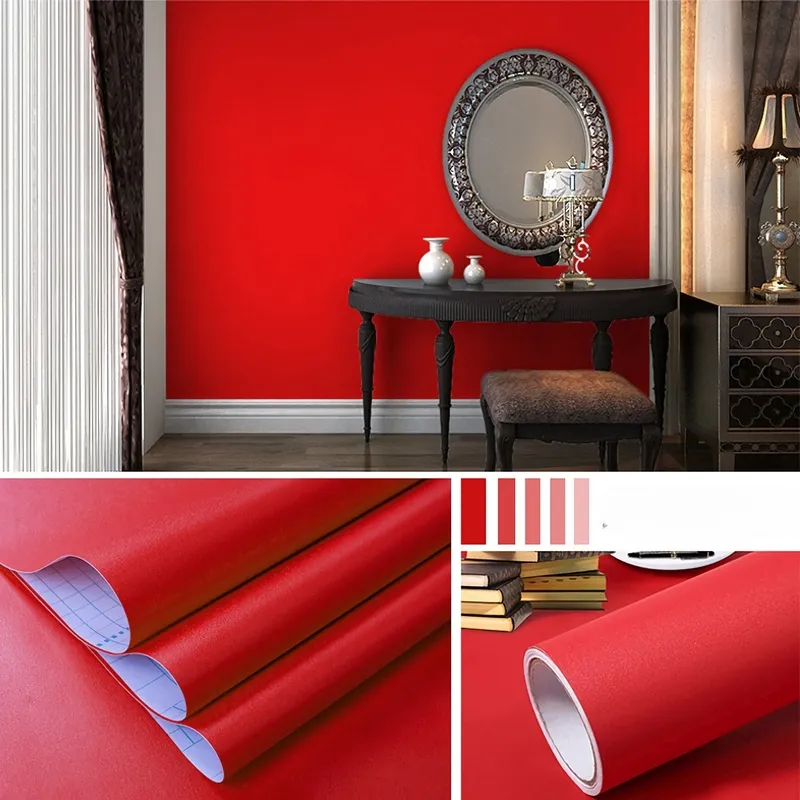
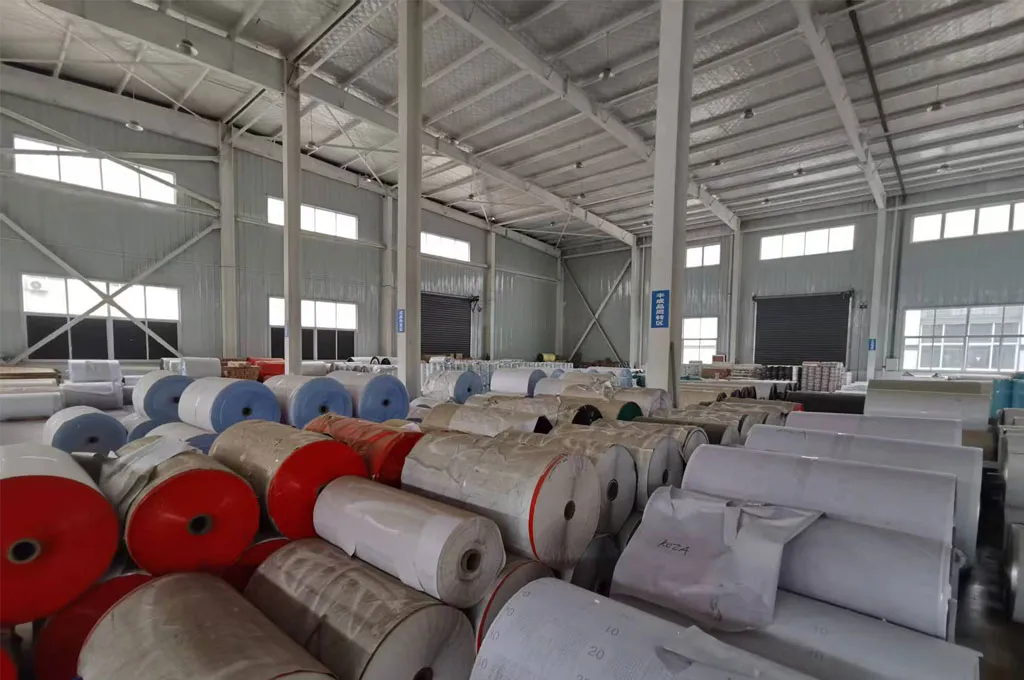
For OEM or bulk supply inquiries and custom film options, consider established manufacturers that control production processes to ensure consistent quality—Pulivk offers full in-house production for many PVC and decorative film solutions.
Will window film fog or bubble? Proper surface prep and professional installation reduce bubbling. Some low-quality films can fail sooner.
Does film reduce natural daylight? Some tinted or reflective films reduce visible light; spectrally selective films are designed to preserve daylight while cutting heat.
How long does film last? High-quality films commonly last 10–15 years or more; warranties vary by product and climate conditions.