Address
304 North Cardinal St.
Dorchester Center, MA 02124
Work Hours
Monday to Friday: 7AM - 7PM
Weekend: 10AM - 5PM
Address
304 North Cardinal St.
Dorchester Center, MA 02124
Work Hours
Monday to Friday: 7AM - 7PM
Weekend: 10AM - 5PM


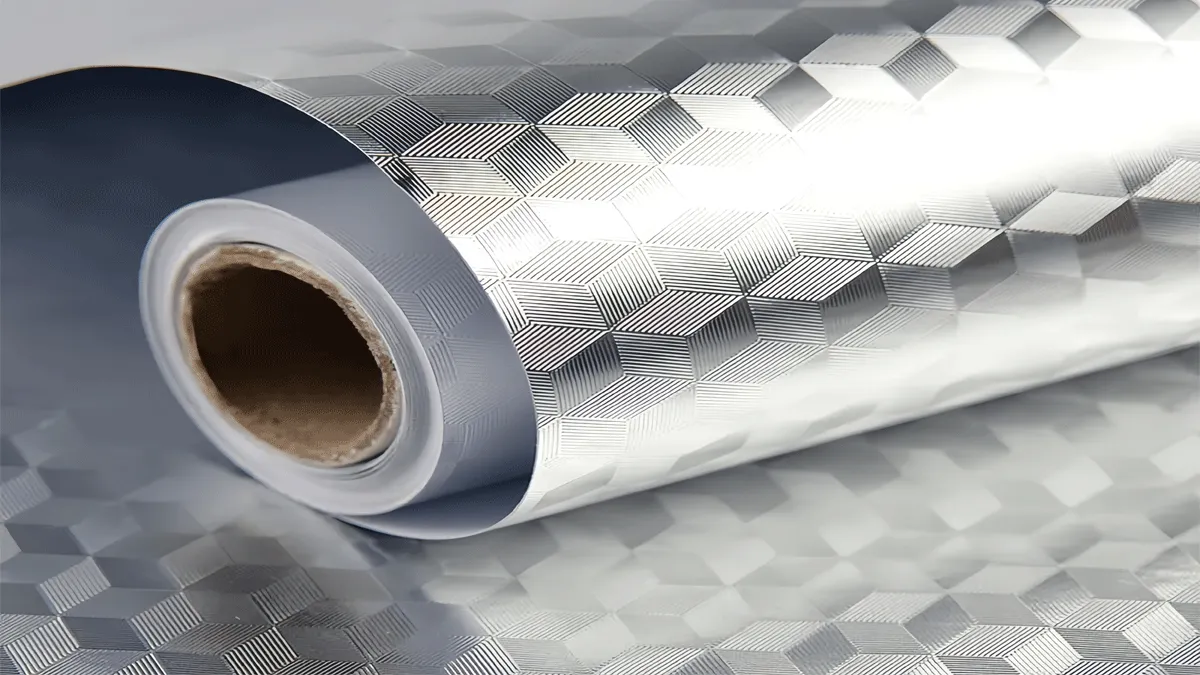
Surface protection film is a thin polymer layer applied to finished surfaces to prevent scratches, dirt, and damage during manufacturing, transport, installation, and everyday use. This guide explains where protection films are used, how they work, key benefits, and practical tips for selecting and applying the right product.
Surface protection film is typically made from PVC, PE, or PET and is available in removable adhesive or cling variants. These films are engineered to offer temporary defense for surfaces such as glass, metal, painted panels, laminate, and plastics without leaving residue when removed correctly.
The film relies on a controlled adhesive strength: strong enough to stay in place during handling and transit, yet weak enough to peel off cleanly. Multi-layer constructions can include UV stabilizers, anti-static coatings, or textured faces to protect against abrasion and environmental exposure.
Surface protection films are used across industries. Key application areas include:
There are specialized films for UV protection, anti-scratch performance, anti-fog, and oil-proof coatings for kitchen surfaces. Choosing the right formulation helps extend surface life while simplifying installation workflows.
Surface protection film offers multiple advantages across production, logistics, and end-use:
| Benefit | What It Delivers |
|---|---|
| Damage Prevention | Reduces scratches, dents, and surface blemishes during handling and installation. |
| Cost Savings | Lower repair and replacement costs; fewer rejects and reworks in production. |
| Improved Presentation | Keeps surfaces pristine for customers, installers, and quality inspection. |
| Customization | Available in printed, colored, and textured options to match branding or application needs. |
| Process Efficiency | Quick application and removal speed up production and on-site workflows. |
Match film type to the surface and environment:
Proper handling preserves both the film and the substrate:
Lifespan varies by material and exposure. Typical temporary films last from weeks to months; specialty high-performance films can last longer. Monitor for discoloration, adhesive migration, or hardening if films stay in place for extended periods.
Q: Will protection film leave adhesive residue?
A: High-quality films designed for fragile finishes generally leave no residue when removed correctly; test first on sensitive surfaces.
Q: Can films be printed for branding or instructions?
A: Yes — printed protection films are widely used for part identification, handling instructions, or temporary branding.
Manufacturers, installers, and logistics teams across construction, furniture, appliances, automotive, and electronics rely on surface protection films to reduce risk and improve product arrival condition. In markets with long transport routes or hot climates, UV- and heat-stable films are particularly valuable.
For sourcing high-quality protective films and OEM customization, consider Pulivk – https://pvcfilmtec.com/.