Address
304 North Cardinal St.
Dorchester Center, MA 02124
Work Hours
Monday to Friday: 7AM - 7PM
Weekend: 10AM - 5PM
Address
304 North Cardinal St.
Dorchester Center, MA 02124
Work Hours
Monday to Friday: 7AM - 7PM
Weekend: 10AM - 5PM


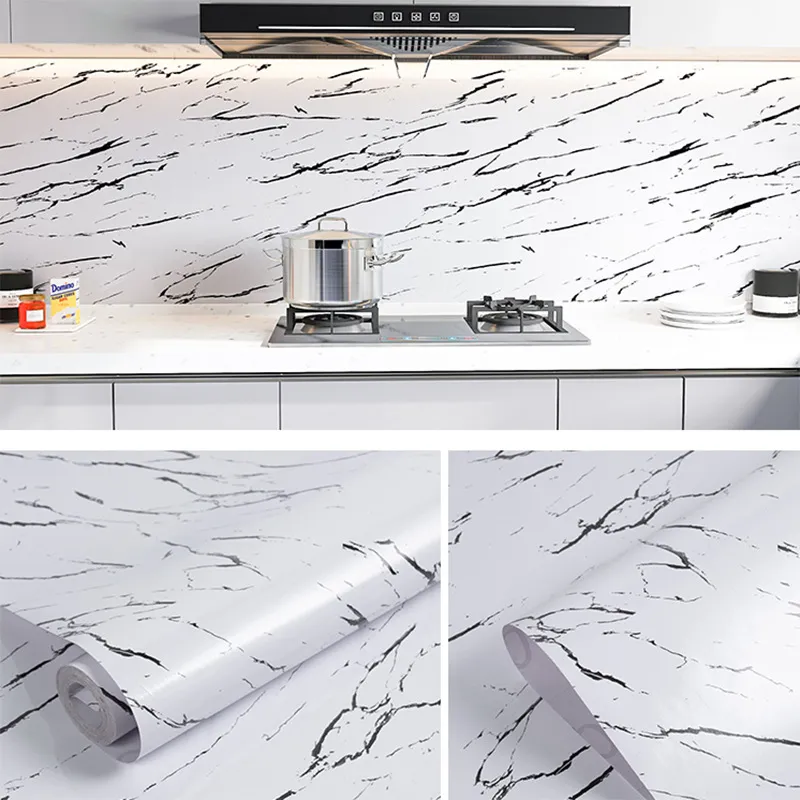
Laser film is a thin, engineered plastic designed to work with laser systems for marking, cutting, protection, and decorative effects. Widely used across manufacturing and design, it offers a fast, precise, and cost-effective solution for adding text, logos, patterns, or protective layers to surfaces. This guide covers how laser film works, top applications, benefits, and the industries that rely on it.
Laser film typically consists of PVC, PET, or specialized composite layers that respond predictably to laser energy. Depending on the formulation, a laser can engrave, ablate, or vaporize the top layer to reveal an underlying color, create a frosted or matte finish, or cut complex shapes without damaging the substrate beneath.
Laser systems (fiber, CO2, or YAG) emit focused energy that interacts with the film. The film chemistry and layer structure determine whether the result is a high-contrast mark, a fine perforation, or a clean cut. Proper film selection matches the laser type, power settings, and desired outcome.
Laser film excels where precision, speed, and repeatability matter. Common uses include:
In electronics, laser film enables micro-marking on PCBs and connectors. In medical devices it provides sterilizable labels and protective layers. For automotive interiors, it delivers consistent decorative surfaces and durable trims.
Manufacturers and designers choose laser film because it brings measurable advantages:
Laser film finds demand in many sectors where appearance, traceability, and durability are priorities:
| Characteristic | Typical Range | Notes |
|---|---|---|
| Material | PVC, PET, composite | Choose by laser compatibility |
| Thickness | 20–200 microns | Depends on protective vs decorative use |
| Laser types | CO2, fiber, YAG | Match film formulation for best contrast |
| Finish options | Glossy, matte, textured, metallic | Extensive aesthetic choices for interiors |
Selecting the correct film requires evaluating the laser process, end-use environment, and aesthetic goals. Consider:
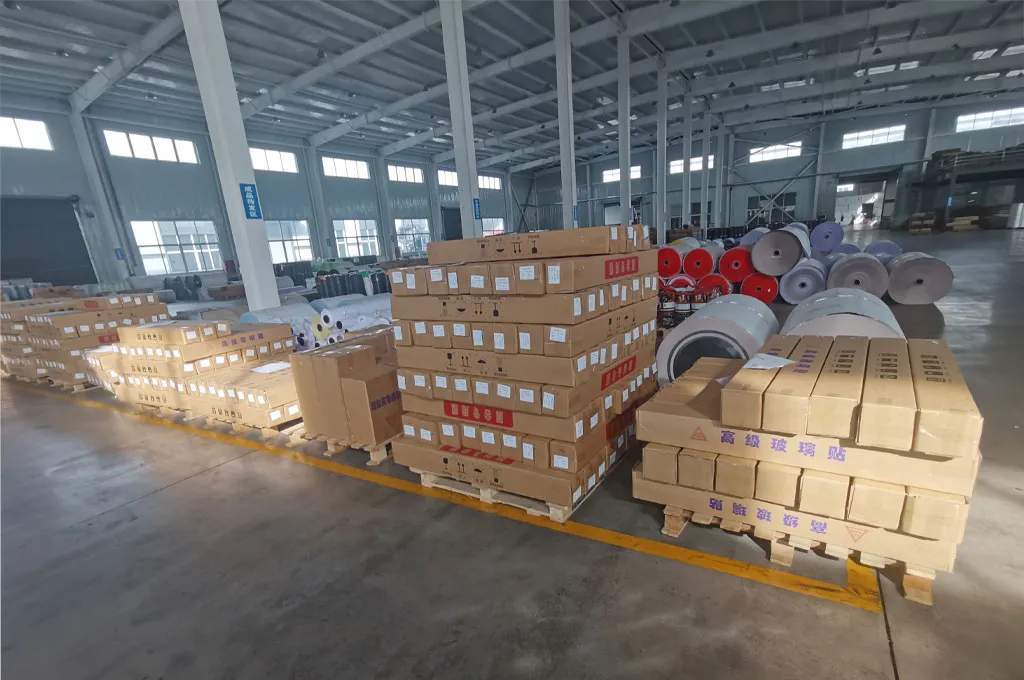
Reliable suppliers control calendering, lamination, and printing processes to deliver consistent film behavior under laser conditions. Pulivk provides full in-house production—from raw material processing to split-packaging—ensuring tight quality control and flexible OEM options.
Will all laser types work on any film? No—different lasers interact differently with materials. Always match film formulation to the laser wavelength and power.
Can laser film be used on curved surfaces? Yes—thin, flexible films can be applied and then laser-cut or marked, but adhesion method and surface prep are critical.
Run small validation batches to optimize laser settings, invest in consistent film supply, and document process parameters to scale quality. With the right film and controls, laser processing unlocks precise, durable, and attractive results across many markets.