Address
304 North Cardinal St.
Dorchester Center, MA 02124
Work Hours
Monday to Friday: 7AM - 7PM
Weekend: 10AM - 5PM
Address
304 North Cardinal St.
Dorchester Center, MA 02124
Work Hours
Monday to Friday: 7AM - 7PM
Weekend: 10AM - 5PM


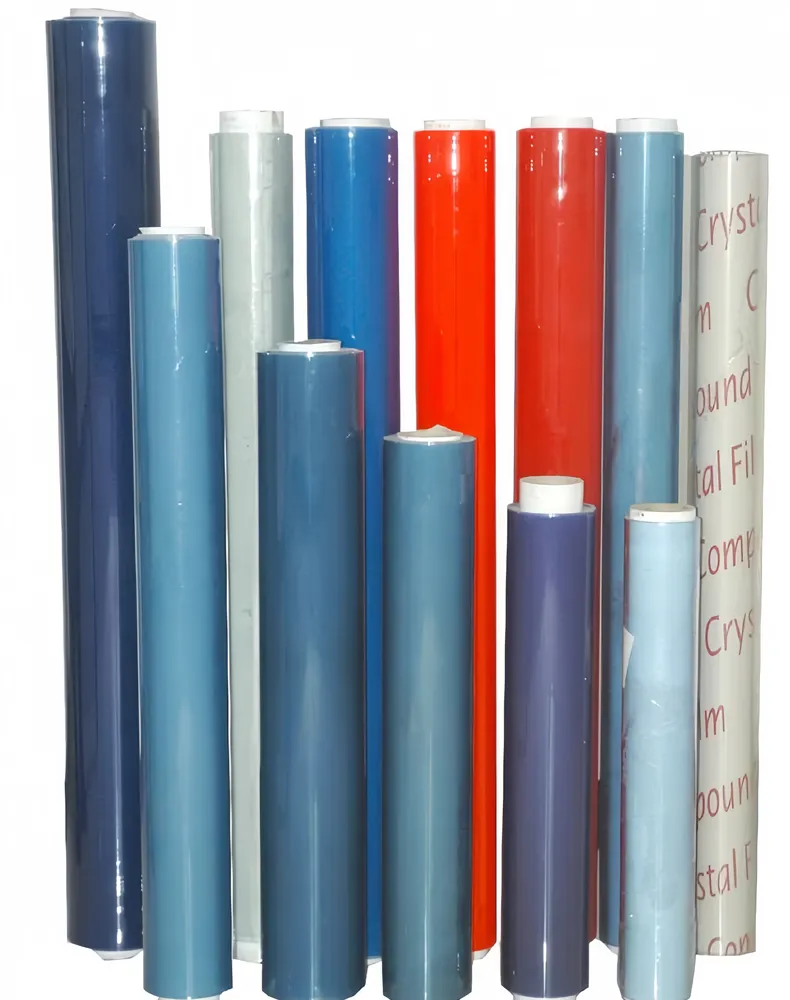
The glass envelope of a building is more than a view — it’s a performance system. Architectural window films enhance glazing by adding solar control, privacy, safety, UV protection, or decorative flair without replacing the glass. This guide explains the main types of building glass films, how they work, and how to pick the right film for commercial or residential projects.
Window films are a cost-effective retrofit option to improve energy efficiency, occupant comfort, and asset protection. They reduce glare, lower cooling loads, block harmful UV, and can add safety or privacy. For architects and facility managers, films offer flexible performance upgrades that often avoid the cost and disruption of full window replacement.
Tinted solar films absorb a portion of incoming solar energy to reduce heat gain and glare. Available in subtle to darker shades, they are often used on west- and south-facing facades to cut air-conditioning loads and visual discomfort.
Low-E films increase the insulating performance of existing glazing by reflecting long-wave infrared back into the interior in winter and rejecting heat gain in summer. They are a popular retrofit for colder climates and mixed-use buildings aiming to improve U-value without replacing units.
Safety films are thicker, high-tensile laminates that hold glass fragments together during breakage, reducing injury risks and delaying forced entry. Ideal for storefronts, schools, hospitals, and high-rise façades where occupant protection is a priority.
Decorative films simulate sandblasted or acid-etched glass, offer branding opportunities, and create privacy zones without permanent alteration. They come in patterns, textures, and colorways for lobbies, conference rooms, and retail applications.
Privacy films range from translucent frosts to reflective day/night films that provide one-way visibility under specific lighting conditions. They are useful for urban offices, medical suites, and any location needing daytime privacy while preserving outward view.
UV films filter >99% of UV-A and UV-B radiation to protect interiors, artwork, fabrics, and finishes from fading. These films are often combined with solar control or decorative layers for dual performance.
Ceramic and spectrally selective films reject solar infrared while maintaining high visible light transmission. They deliver improved comfort and energy savings without noticeable tint — ideal where daylighting and clear views are required, such as office towers and high-end residential projects.
Anti-graffiti films protect storefront glazing and high-traffic surfaces. They sacrificially absorb scratches, paint, and abuse; when damaged, the film can be replaced much more cheaply than replacing the glass.
| Type | Primary benefit | Typical use | Expected lifespan |
|---|---|---|---|
| Solar control (tinted) | Heat & glare reduction | Commercial façades, condos | 10–15 years |
| Low-E | Improved insulation (U-value) | Retrofit for cold/hybrid climates | 10–20 years |
| Safety & security | Shatter resistance & delay entry | Storefronts, schools, public buildings | 7–15 years |
| Decorative / frosted | Privacy and design flexibility | Offices, hospitality, retail | 5–12 years |
| Ceramic / spectrally selective | High performance, low tint | High-rise glazing, premium projects | 10–20 years |
When specifying window film, evaluate the following: solar heat gain coefficient (SHGC), visible light transmission (VLT), U-value impact, UV rejection percentage, film thickness, warranty length, and compatibility with your glass (tempered, laminated, double/triple glazed). Also confirm local building codes and fire-safety requirements, especially for high-rise façades.
Professional installation ensures edge sealing, proper adhesion, and warranty validity. Most films require routine cleaning with non-abrasive solutions and avoid ammonia-based cleaners. Typical manufacturer warranties vary from 5 to 20 years — check whether the warranty covers adhesive bond, optical clarity, and discoloration.
Retrofitting with film is usually faster and more affordable than replacing glazing, delivering meaningful energy and comfort improvements in weeks rather than months. For façades with severe thermal issues, combined strategies (selective replacement + film) often yield the best lifecycle cost.
Request performance datasheets for SHGC, VLT, U-value change, UV rejection, and test reports for safety films. Confirm compatibility with insulated glass units (IGUs) and ask for references on similar projects. Also verify lead times and packaging options for large orders.
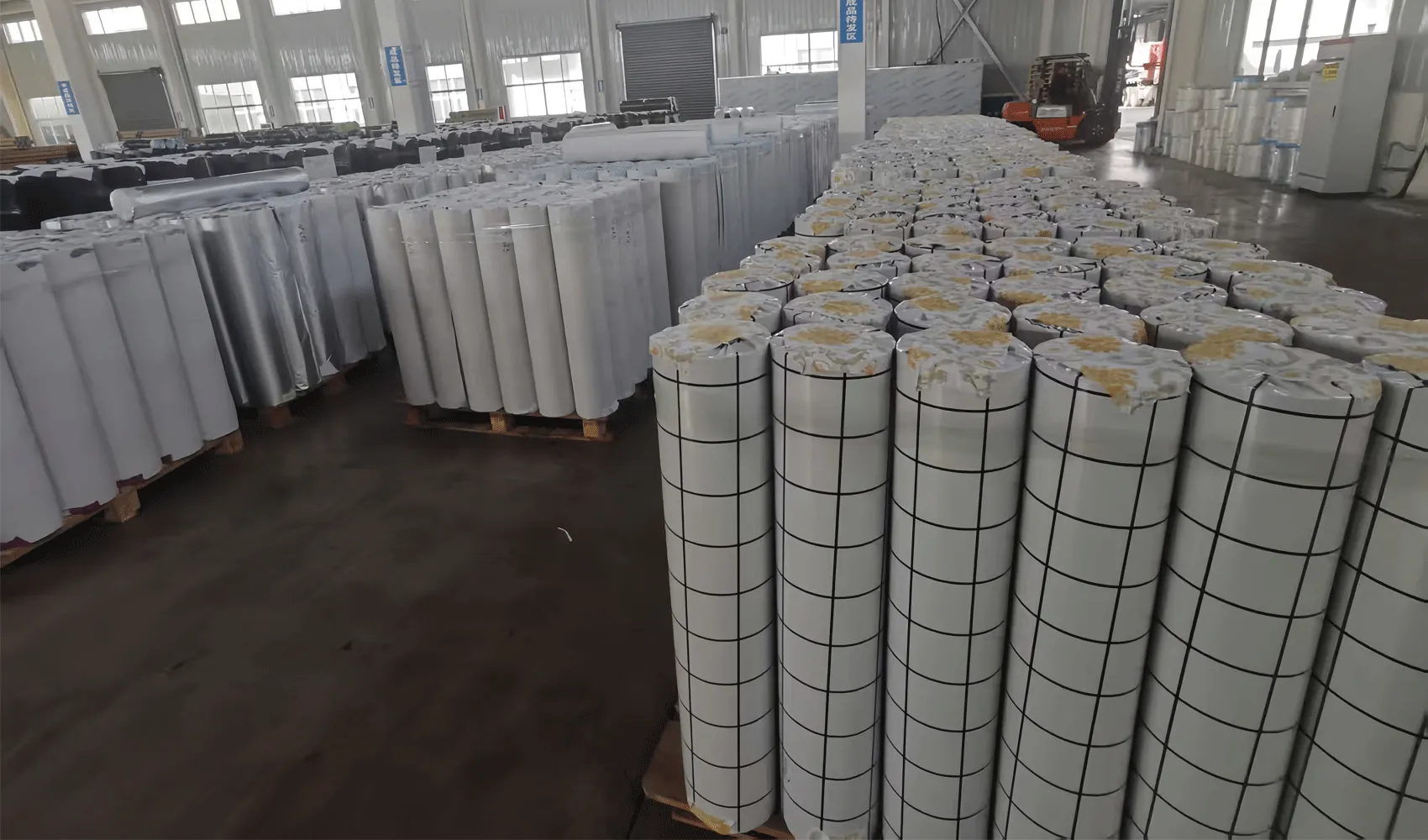
Look for suppliers with full production control, consistent QC, and global export experience to ensure product reliability and predictable lead times. Pulivk (https://pvcfilmtec.com/) is an example of a manufacturer with in-house calendering, printing, and split-packaging lines that supports OEM customization and stable delivery for architectural film projects.
Choosing the right window film depends on performance targets: energy savings, occupant comfort, safety, or aesthetics. Combine technical datasheets with on-site evaluation and professional installation to maximize the long-term value of your glazing upgrade.