Address
304 North Cardinal St.
Dorchester Center, MA 02124
Work Hours
Monday to Friday: 7AM - 7PM
Weekend: 10AM - 5PM
Address
304 North Cardinal St.
Dorchester Center, MA 02124
Work Hours
Monday to Friday: 7AM - 7PM
Weekend: 10AM - 5PM


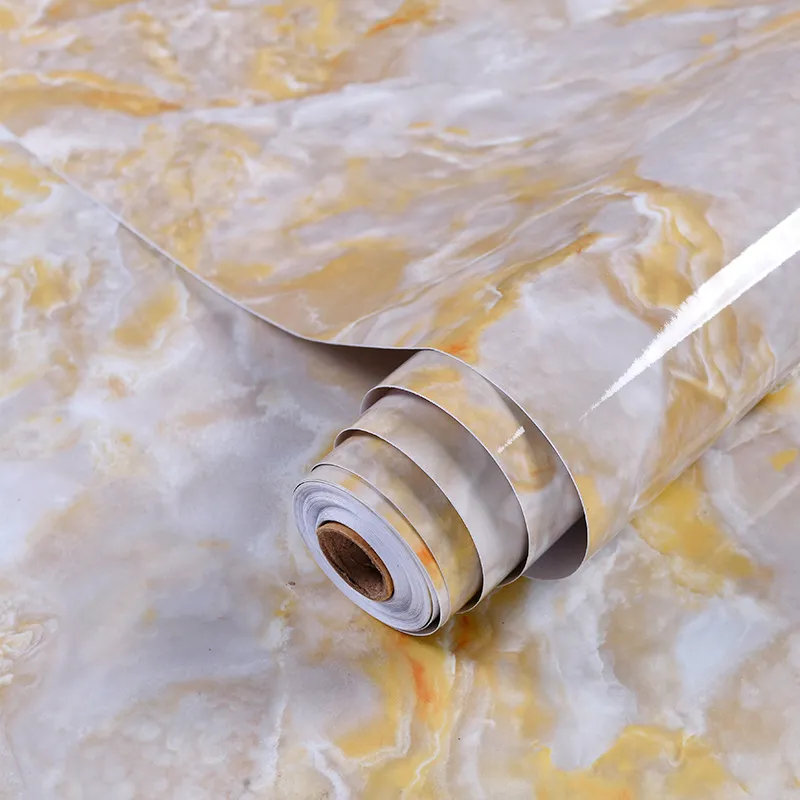
The term “agricultural plastic mulch” refers to thin sheets of plastic film laid across soil surfaces to improve crop performance. Widely used in vegetable, fruit and specialty crop production, mulch film helps farmers control weeds, conserve moisture, regulate soil temperature and, in many cases, boost yields and crop quality.
Agricultural plastic mulch is typically made from polyethylene (PE) or other polymer blends and comes in several colors and formulations. It is applied directly on prepared beds and often held in place with soil, staples, or bed-side trenches. Mulch film can be black, clear, white, or reflective, and biodegradable options are increasingly available for growers concerned about waste management.
Understanding the main types makes it easier to choose the right product for your crop and climate:
Blocks light to prevent weed germination, retains soil moisture, and warms the soil by absorbing sunlight, making it ideal for warm-season vegetables.
Transmits sunlight to warm the soil quickly. Clear mulch can increase early growth but requires strong weed control because sunlight also stimulates weeds.
Used to deter insect pests and reflect light to the canopy, which can improve fruit quality and reduce pest pressure in some crops.
Made from polymers designed to break down in the field, these films reduce removal costs and plastic waste but vary in degradation rates depending on soil, climate and film chemistry.
Plastic mulch is used across many crop systems for several consistent benefits:
| Benefit | Why It Matters |
|---|---|
| Higher early yields | Warmer soil accelerates germination and vegetative growth. |
| Reduced irrigation needs | Less surface evaporation saves water. |
| Cleaner fruit and vegetables | Limits soil splashing and rot, improving marketability. |
Correct installation improves performance: prepare a smooth, firm bed; lay film tightly with specialized mulch-laying machinery or by hand; secure edges to prevent wind lift. Transplanting or seeding holes are cut after laying. For long-term use, plan rows and irrigation (e.g., drip lines often go under the mulch).
Concern about plastic residue and microplastics has driven interest in recycling and biodegradable options. Conventional PE mulch must be collected after use; otherwise it fragments and accumulates in soil. When possible, opt for a recycling program or switch to certified biodegradable mulch that matches your climate and cropping schedule.
Match film choice to crop, climate and budget. Black mulch suits warm-season crops and weed control. Clear mulch accelerates soil warming but increases weed pressure. Reflective mulch helps in insect-prone systems. Evaluate disposal logistics — if on-farm collection and recycling aren’t available, biodegradable mulch can lower labor and environmental costs.
Consider yield gains, reduced herbicide and labor costs, and irrigation savings when comparing mulch prices. Short-term costs may be offset by higher marketable yields and earlier harvests that command better prices.
Monitor film for tears and repair where practical; remove and collect used film promptly at season end to minimize fragmentation. For biodegradable mulch, confirm degradation and soil residue in your specific region before relying solely on breakdown to manage waste.
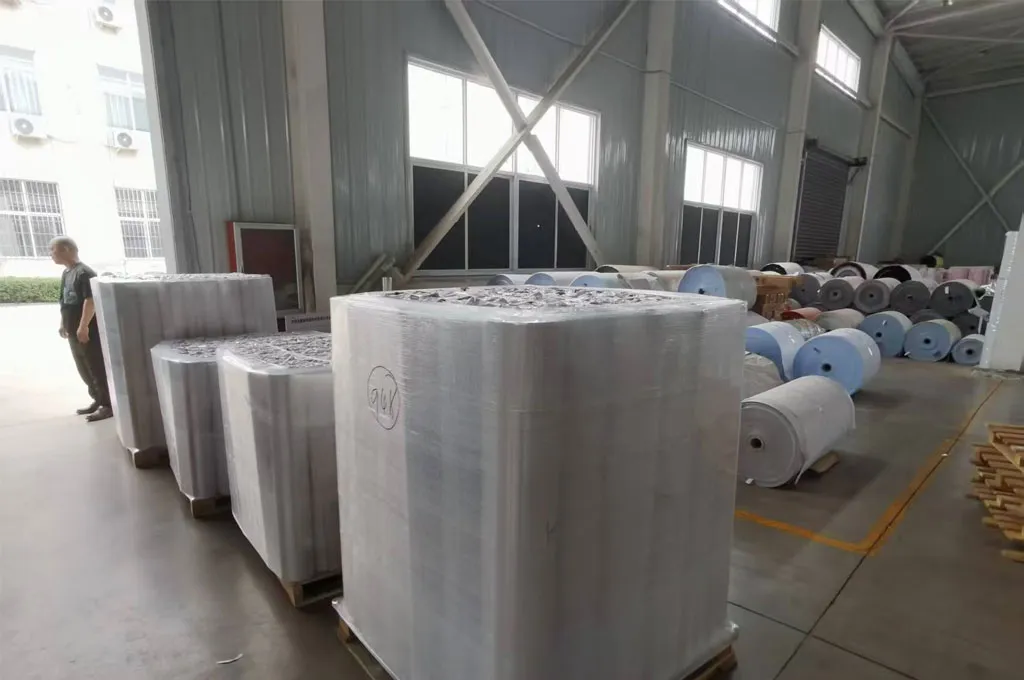
Buy from experienced manufacturers with quality control and production capacity to meet agricultural standards. Pulivk offers full in-house production lines, flexible OEM options and export experience for growers seeking reliable film supply.
Q: Can mulch film be reused? A: Thicker PE film can sometimes be cleaned and reused, but reuse depends on damage and contamination levels. Reuse demands careful handling and storage.
Q: Does mulch film affect soil health? A: When collected properly, conventional film has limited long-term soil impact. However, plastic residues can be harmful if fragments remain in soil — consider recycling or biodegradable alternatives.
Choosing the right agricultural plastic mulch involves balancing crop needs, climate, waste management and cost. With proper selection and handling, mulch film remains a valuable tool for modern, efficient crop production.